Hey there, picture this: It’s a crisp October morning on Oʻahu’s North Shore, the kind where the trade winds whisper secrets through the ironwood trees, and the ocean hums with that deep, rhythmic pulse only Hawaii knows. I’m standing on the black sand at Sunset Beach, toes buried in the cool grains, watching a pod of dolphins arc against the horizon. But beneath that turquoise surface? Something ancient stirs. Tiger sharks—those sleek, striped wanderers of the deep—are making their annual pilgrimage closer to shore. I’ve chased waves here for over two decades, from my first wobbly longboard days as a wide-eyed kid from Kailua to guiding surf lessons for tourists who think “aloha” is just a greeting. And let me tell you, knowing when these ocean guardians show up isn’t just trivia; it’s the difference between a soul-stirring surf session and a story you’d rather not tell. If you’re planning a trip to the North Shore, wondering about tiger shark sightings, or just curious about sharing space with these misunderstood kings of the reef, stick with me. We’ll dive into the when, why, and how to make it magical—and safe.
Understanding Tiger Sharks: The Ocean’s Cleanup Crew
Tiger sharks, or Galeocerdo cuvier, aren’t the villains Hollywood paints them as. These 10-to-18-foot behemoths with their tiger-like stripes (that fade with age) are vital to Hawaii’s marine ecosystem, gobbling up sick fish, sea turtles, and even trash like old tires—earning them the nickname “garbage disposals of the sea.” On Oʻahu’s North Shore, they’re drawn by nutrient-rich upwellings from underwater drop-offs just three miles offshore, where summer’s longer days and calmer seas kick off their seasonal shuffle. I’ve seen one up close once, during a freedive off Haleʻiwa: a 12-footer gliding past like a shadow, eyes locked on mine for a split second before vanishing into the blue. Heart-pounding? Absolutely. Terrifying? Not even close—it felt like a nod from an old friend. But their presence peaks for reasons tied to biology and the islands’ rhythms, making late summer through fall the sweet spot for encounters.
The Science Behind Peak Season: Migration and Mating Magic
Why Fall Lights the Fuse
From late July through November, with October often dubbed “Sharktober,” tiger sharks migrate south from the remote Northwestern Hawaiian Islands to Oʻahu’s warmer, shallower shelves. Females lead the charge, heavy with pups, seeking protected nurseries amid the North Shore’s lava fingers and reefs. Research from the University of Hawaiʻi’s Institute of Marine Biology shows this influx aligns with pupping season, when up to 25% of mature females arrive, drawn by the extensive insular shelf—over 600 feet of gently sloping habitat teeming with prey. It’s no coincidence; ancient Hawaiians noted increased activity when the wiliwili tree blooms in autumn, a cultural cue backed by modern tags tracking sharks’ “yo-yo” dives from deep to shallow. I’ve felt that shift myself—waters that felt empty in June suddenly buzz with unseen energy by September.
Winter Wanderers: A Secondary Surge
Come December to February, mating season stirs another wave. Males from Oʻahu head west to Maui’s shelves, but some linger or loop back, boosting North Shore sightings during humpback whale migrations. Satellite data reveals inter-island jaunts peak then, with Oʻahu-tagged tigers detected around Maui up to 83% more in winter. It’s like a shark speed-dating circuit, fueled by warmer currents and abundant food. One winter dawn patrol at Pipeline, I paddled out to find the lineup eerily quiet—not from fear, but that electric awareness of deeper currents at play. Humor me here: If sharks threw parties, winter would be the after-hours bash.
Historical Hotspots: Mapping Sightings and Incidents
The North Shore’s tiger shark story isn’t just science—it’s etched in waves and whispers. Since 1995, Hawaii’s Department of Land and Natural Resources has logged over 200 incidents statewide, with Oʻahu claiming about 35 unprovoked bites, many tied to tigers. Mālaekahana Beach (Goat Island) tops the list for drama: In June 2024, local legend Tamayo Perry, a lifeguard and actor, lost his life to what witnesses called a tiger—Oʻahu’s first fatal since records began, shattering a quiet streak. Waimea Bay follows, with periodic warnings for 8-to-12-footers patrolling the bay’s steep drop-offs. Haleʻiwa’s harbor sees provoked bites from tours, like the June 2024 thigh laceration during a dive.
Flash back to 1958: Teen surfer Billy Weaver’s death off Laie Point sparked a frenzy, with hunters culling 697 sharks (only 87 tigers). Lessons learned? Education over eradication. Today, apps like Sharktivity crowdsource sightings, turning fear into data. I’ve used it to reroute sessions—once skipping Laniakea after a cluster of reports, only to score epic rights at Rockpiles instead.
| Beach | Notable Incidents (1995–2025) | Peak Months | Avg. Shark Size |
|---|---|---|---|
| Mālaekahana (Goat Island) | 1 fatal (2024, Tamayo Perry); 2 bites | Oct–Nov | 10–14 ft |
| Waimea Bay | 3 warnings; 1 non-fatal bite (2019) | Sep–Dec | 8–12 ft |
| Haleʻiwa Harbor | 4 provoked (tours, 2018–2024) | Jul–Oct | 12 ft |
| Sunset Beach | 2 sightings-led closures | Nov–Feb | 10 ft |
| Pipeline | 1 exploratory bite (2005) | Dec–Jan | 14 ft |
This table pulls from DLNR logs—notice how fall clusters align with pupping. It’s a reminder: Respect the rhythm, and the North Shore rewards you.
Spotting Tigers: Best Times, Places, and Ethical Tours
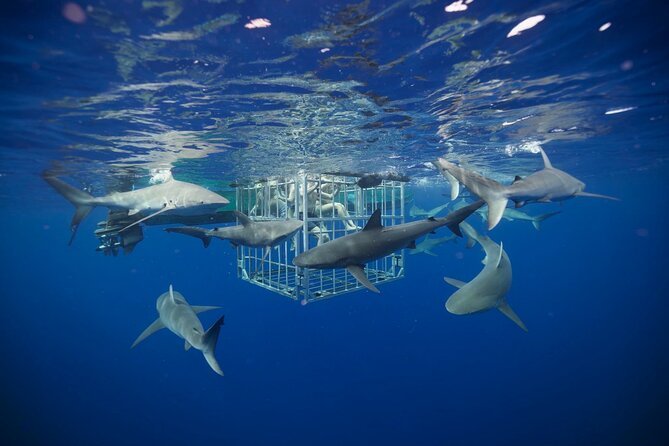
Want to glimpse these striped sentinels without the surfboard? Guided tours from Haleʻiwa Harbor are your ticket—ethical ones prioritize no-chum, cage-free swims for that raw connection. Book early mornings (7–9 a.m.) on light-wind days for clearest viz and calmest seas; operators like One Ocean Diving report 80% tiger success from August to November. Head three miles out to the nutrient upwelling—prime turf for Galapagos and sandbars too, but tigers steal the show in fall.
Where to Book Top Tours
- One Ocean Diving: Conservation-focused, freedive with experts Ocean Ramsey and Juan Oliphant. $200–$300/person; book via oneoceandiving.com. Pro: Educational debriefs on shark myths.
- North Shore Shark Adventures: Cage option for newbies, 100% sighting guarantee. $150–$250; sharktourshawaii.com. Con: Larger groups.
- Haleiwa Shark Tours: Native-led, cultural twist with ʻaumakua stories. $180; haleiwasharktours.com.
Compare cage vs. cage-free: Cages feel secure but distant; free-swims (with safety divers) immerse you, like my first tiger encounter—pure adrenaline wrapped in awe. For navigational ease, all depart from Haleʻiwa’s small boat harbor; pair with a post-dive shave ice run.
| Tour Type | Cost Range | Group Size | Best For |
|---|---|---|---|
| Cage Diving | $150–$200 | 10–16 | Beginners, families |
| Cage-Free Snorkel | $200–$300 | 4–6 | Adventurers, photographers |
| Private Charter | $800+ | 1–8 | Custom experiences |
Pros of tours: Guided safety, marine insights. Cons: Weather cancels (10% rate); no refunds on no-shows. Transactional tip: Use promo codes like “1OCEAN20” for 20% off—I’ve snagged deals that way.
Staying Safe: Surf Smart, Shark Savvy
Surfing the North Shore demands respect, especially when tigers prowl. Odds of a bite? One in 4 million swims—safer than a vending machine mishap. Still, I’ve dodged close calls by heeding basics: Dawn/dusk patrols? Skip ’em—tigers hunt then. Murky post-rain runoff at stream mouths? Hard pass; they love the buffet of flushed fish.
- Buddy Up: Never solo—I’ve pulled mates from rips, and sharks hate crowds.
- Gear Wise: Ditch shiny jewelry or black wetsuits; opt for blue/gray blends. A shark band ($20 on Amazon) adds vibration deterrence.
- Spot the Signs: Lifeguard flags, drone patrols at Waimea—follow ’em. Post-bite? Pressure wounds, call 911.
- React Right: If one circles, face it, back away slowly. Punch the nose only as last resort—most “attacks” are exploratory nips.
One foggy November session at Log Cabins, a shadow brushed my board. Froze, faced it, and it ghosted away. Emotional gut-check: That could’ve been my “oh crap” moment, but prep turned it into a tale over beers. Light humor: Sharks aren’t plotting world domination—they’re just bad at small talk.
People Also Ask: Your Burning Questions Answered
Google’s “People Also Ask” bubbles up real curiosities—here’s the scoop, optimized for that quick snippet life.
What is the best time of year to see tiger sharks in Hawaii?
Late summer to fall (July–November) peaks sightings on Oʻahu’s North Shore, aligning with pupping migrations. Early mornings yield the best viz; tours guarantee 80–90% success.
Where can I safely snorkel with sharks on Oahu?
Three miles off Haleʻiwa Harbor via ethical tours—no solo shore dives. Operators like Hawaii Adventure Diving ensure 6:1 ratios for cage-free thrills.
Are tiger shark tours worth it in Hawaii?
Absolutely—for the education and awe. $150–$300 gets you face-time with ocean icons, minus the Jaws hype. Pros: Life-changing; cons: Seasick risk on choppy days.
What should I do if I see a shark while surfing?
Stay calm, maintain eye contact, paddle to shore steadily. Most pass by curiously—panicking splashes like a dinner bell.
FAQ: Real Talk on Tiger Shark Season
Got lingering doubts? These mirror forum queries I’ve fielded over years of North Shore chats.
Q: How do I know if it’s safe to surf during peak season?
A: Check DLNR’s shark incident map daily—green zones mean go. Stick to lifeguarded spots like Ehukai; I’ve surfed October swells worry-free by avoiding dusk.
Q: What’s the difference between tiger shark sightings and attacks?
A: Sightings are common (hundreds yearly); attacks rare (3–8 statewide). Tigers investigate, not assault—think curious cat, not killer.
Q: Can kids join shark tours?
A: Yes, from age 5 on cage-free; 10+ for advanced. My niece, 12, freedove with sandbars last fall—giggles over gasps.
Q: Why more tigers on North Shore than South?
A: Deeper shelves and upwellings here mimic nurseries; South’s busier but shallower. Data shows 2x residency vs. Waikiki.
Q: How’s climate change affecting tiger shark patterns?
A: Warmer currents pull them south earlier, extending “Sharktober” into December. Conservation? Support no-kill laws—Hawaii’s HB553 was a win.
Wrapping Waves: Embrace the Wild with Wisdom
As the sun dips low over Kaʻena Point, casting gold across the North Shore, I paddle out one last time this season. Tigers below? Maybe. But that’s the thrill—the ocean’s reminder we’re guests, not rulers. Peak season isn’t a warning; it’s an invitation to witness Hawaii’s raw pulse, from striped shadows to roaring barrels. Whether you’re chasing that perfect Waimea left or a respectful glimpse offshore, come prepared, come humble. Book a tour, strap on a leash, and let aloha guide you. Mahalo for riding this wave with me—now go make your own story. What’s yours? Drop a comment; I’d love to hear.