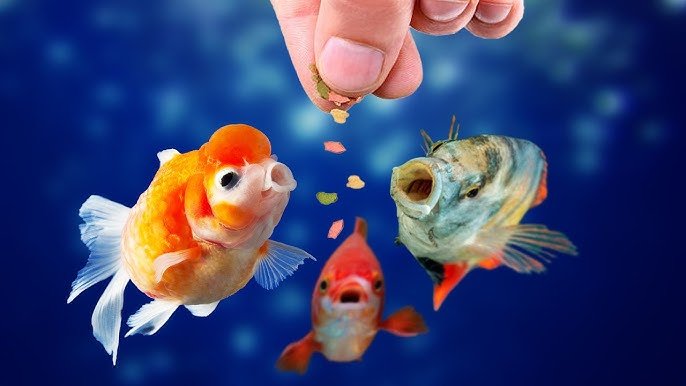
Hey there, fellow fish enthusiast. I remember the day I brought home my first little guppy tank like it was yesterday—bright neon tetras darting around, a couple of plucky danios schooling like they owned the place. I was thrilled, but man, the first big question hit me hard: What the heck do these guys eat? I dumped in a handful of flakes from the pet store shelf, watched them swarm, and thought I’d nailed it. Spoiler: I hadn’t. That overzealous sprinkle turned my crystal-clear water murky overnight, and my fish started looking a bit… off. Lesson learned the hard way—feeding fish isn’t just about keeping them alive; it’s about letting them thrive, with colors popping and fins fanning like they’re in some underwater disco.
In this guide, we’re diving deep into the world of pet fish diets, pulling from years of trial, error, and a whole lot of reading up on what the pros say. Whether you’re a newbie staring at that overwhelming fish food aisle or a seasoned aquarist tweaking your setup, I’ve got you covered. We’ll talk basics, specifics, and even those sneaky mistakes that can sneak up on you. By the end, you’ll feel confident sprinkling just the right amount—because nothing beats that quiet satisfaction of a happy, healthy tank.
Understanding Fish Diets: The Basics
Every fish parent knows that gut-wrenching moment when your finned buddy ignores the food you just dropped in. Turns out, not all fish are created equal when it comes to chow time. In the wild, they’d munch on whatever’s handy—insects zipping by, algae clinging to rocks, or smaller critters darting for cover. But in your aquarium, it’s on you to mimic that variety without turning the tank into a soup bowl.
Fish diets boil down to three main types: carnivores who crave protein-packed meats, herbivores grazing on greens all day, and omnivores who happily mix it up. Get this wrong, and you risk malnutrition or a bloated belly that no one wants. The key? Match the meal to the mouth—top-dwellers snag floating flakes, while bottom-scavengers need sinking wafers. It’s less about fancy labels and more about keeping things balanced, with a dash of protein, carbs for energy, and fats for that glossy sheen.
Types of Pet Fish and What They Eat
Picture this: Your tank’s a bustling community—peaceful tetras schooling in the shallows, a bristly pleco patrolling the gravel like a vacuum on fins. Each has its own story, and yeah, its own dinner preferences too. Goldfish, those classic bowl buddies, lean omnivore but love veggies to keep things moving along. Tropical stars like bettas? Total carnivores, snapping up anything wriggly.
Diversity is the spice of aquarium life, but so is diet. A mismatched menu can lead to fin-nipping drama or faded colors that dim your tank’s glow. Start by eyeing your crew’s origins—Amazonian natives might need more plant matter than African rift lake tough guys. It’s all about harmony, where every fish gets its fair share without the whole ecosystem going haywire.
Carnivorous Fish: Protein Powerhouses
These guys are the sharks of your shelf—bettas, angelfish, and oscars with attitudes that scream “meat only.” In nature, they’d ambush insects or smaller fish, so your job is channeling that hunter vibe with high-protein flakes or frozen brine shrimp. I once had a betta who turned his nose up at pellets until I thawed some bloodworms; the way he flared and devoured them? Pure joy, like watching a tiny gladiator win his arena.
Feed these predators sparingly—overdo it, and you’ll have a tank full of lazy loafers instead of lively swimmers. Aim for 40-50% protein in their diet, tossed in once a day. It’s rewarding seeing them perk up, but remember, variety keeps boredom (and fin rot) at bay.
Herbivorous Fish: Green Grazers
Ah, the chill ones—plecos, silver dollars, and those adorable otos that polish your glass like pros. These plant-munchers thrive on algae wafers, blanched zucchini slices, or spirulina flakes that mimic their leafy wild feasts. My first pleco, old Bristle, ignored everything until I clipped a cucumber wedge to a rock; he rasped away for hours, and my algae problem vanished overnight.
Herbivores need constant nibbles, so scatter food throughout the day or let them graze on live plants. Low protein (around 20-30%) keeps their systems humming without overload. It’s almost meditative, watching them work—plus, who doesn’t love a self-cleaning tank?
Omnivorous Fish: The Flexible Eaters
Most of your tank mates fall here—guppies, tetras, mollies who’ll scarf flakes one minute and nibble spinach the next. These adaptable souls make community tanks a breeze, blending proteins and veggies for that all-around glow. I keep a school of neon tetras that go nuts for a mix of pellets and daphnia; it’s like throwing a party where everyone’s invited.
Balance is key: 30-40% protein with greens to boot. Feed small amounts twice daily, and watch the colors pop. They’re forgiving, but skimping on variety? That’s when the tank starts feeling a tad dull.
Types of Fish Food: From Flakes to Frozen Treats
Walk into any pet store, and bam—shelves groaning under colorful jars of promises. Flakes for the masses, pellets for precision, wafers for the depths. Then there’s the fun stuff: frozen cubes that wiggle like live bait, or DIY veggie skewers that feel downright homemade. I started with basic flakes, but upgrading to spirulina-enriched ones? Game-changer—my fish’s energy levels shot up, no more mid-day slumps.
Choosing the right type isn’t rocket science, but it does hinge on your fish’s nibble style. Floaters for surface skimmers, sinkers for gravel hounds. Mix it up weekly to keep things exciting, and always check labels for that nutrient punch. Your tank will thank you with bubbles of happiness.
Dry Foods: Staples for Everyday Feeding
Flakes and pellets are the unsung heroes—affordable, shelf-stable, and versatile enough to crumble for fry or bulk up for big boys. Hikari’s krill flakes? My tetras inhale them, colors blazing brighter than a summer sunset. They’re packed with proteins and vitamins, dissolving just right without clouding the water like cheap stuff does.
Pros: Easy storage, consistent nutrition. Cons: Can get boring fast, leading to picky eaters. Use as your base, about 80% of meals, and rotate brands like Tetra or Omega One for that fresh twist.
Live and Frozen Foods: Nature’s Candy
Nothing beats the thrill of dropping in wriggling brine shrimp or daphnia—your fish light up like it’s Christmas. Frozen bloodworms thawed in tank water are a staple for carnivores, mimicking wild hunts without the parasite risk of live ones. I culture daphnia in a spare bucket; cheap, nutritious, and the fry gobble them like popcorn.
These treats boost immunity and breeding vibes, but thaw properly to avoid mess. Limit to 1-2 times weekly—over-reliance, and they’ll snub your flakes. Source from trusted spots like Aquarium Co-Op for quality.
Vegetable and Fruit Supplements: Fresh from the Kitchen
Who knew your salad scraps could be fish gold? Blanched peas for goldfish constipation relief, spinach for pleco bliss—it’s simple, cheap, and oh-so-rewarding. My guppies go wild for a cucumber slice weighted down; it’s like spa day in the tank.
Prep tip: Boil lightly, cool, and remove after a few hours to dodge rot. Great for herbivores, adding fiber without the fuss. Pro: Budget-friendly greens. Con: Spoils quick if forgotten.
How Often and How Much to Feed Your Fish
Timing is everything in fish parenting—feed too much, and you’re brewing a bacterial party; too little, and ribs show through scales. Most adults do fine with one solid meal daily, split into two pinches if they’re grazers. My routine? Morning flakes, evening pellet chaser, gone in two minutes flat. Adjust for juveniles—thrice daily keeps growth humming.
Watch the clock: Warmer tanks speed metabolisms, so up the ante in summer. Uneaten bits? Siphon ’em out pronto. It’s not about filling bellies; it’s about steady energy for that endless swim.
Daily Feeding Schedules for Different Fish
Carnivores like bettas? Once a day, protein punch at dusk to match their crepuscular hunts. Herbivores such as mollies crave three light grazes—algae wafers scattered like confetti. Omnivore crews? Twice hits the sweet spot, morning and night, with a veggie side on weekends.
Tailor to your tank’s rhythm; nocturnal corys get bedtime treats. I log feedings in a notebook—sounds nerdy, but it prevents those “wait, did I already?” moments. Consistency builds trust; soon, they’ll line up like clockwork.
Portion Control: Avoiding Overfeeding
Here’s the heartbreak: That begging face? It’s a trap. Fish are opportunists—gorge now, famine later. Rule of fin: What they devour in 2-3 minutes, no more. A 10-gallon with six tetras? Two pinches of flakes, tops. My early overfeeding fiasco? Cloudy water, gasping fish—lesson etched in regret.
Use a tiny spoon or your pinky nail as measure. Fast one day weekly; they won’t starve, but it’ll reset the system. Healthier fish, clearer conscience.
Common Mistakes in Fish Feeding and How to Fix Them
We all stumble—me included, with that infamous “just one more pinch” that snowballed into a water change nightmare. Top blunders? Overfeeding (hello, ammonia spikes), ignoring species needs (poor pleco on flakes alone), and skipping variety (faded fins, anyone?). Even pros forget: My angelfish once sulked on uniform pellets until I tossed in shrimp—back to boss mode.
Spot signs early: Stringy poop means excess, lethargy screams malnutrition. Fix with research—PetMD’s guide is gold—and a feeding journal. Turn mishaps into mastery; your fish will forgive faster than you think.
Overfeeding: The Silent Tank Killer
It’s the newbie classic: Eyes bigger than the belly, leading to waste overload and fin rot. Excess food decays, spiking toxins—my tank once turned green overnight from “generous” flakes. Solution? Timer on, two-minute rule enforced. Underfeed beats over every time; fish fast gracefully.
Emotional tug: Watching a favorite guppy fade from my error? Gut punch. Now, I savor the restraint—happier fish, zen vibes.
Wrong Food for the Species
Feeding goldfish tropical pellets? Recipe for bloat city. Each breed’s got quirks—cichlids need grit for digestion, tetras tiny bites. I mismatched once with a herbivore on meat flakes; vet bill ensued. Cross-check with RSPCA’s diet tips—save yourself the swim upstream.
Humor break: It’s like serving steak to a vegan—awkward stares all around.
Ignoring Water Quality After Meals
Forgotten crumbs ferment faster than bad decisions. Cloudy water? Blame the uneaten feast. Siphon daily, test weekly—ammonia under 0.25 ppm keeps peace. My setup now hums with a gravel vac routine; crystal clarity, zero drama.
Best Fish Foods: Top Brands and Recommendations
Sifting through brands feels like picking a fantasy team—who’s the MVP for your tank? Hikari edges out for tropicals with krill-infused flakes that make colors sing. Omega One’s frozen brine shrimp? Carnivore catnip. For herbivores, Fluval Bug Bites algae wafers pack insect protein without the fuss.
Budget pick: Tetra classics hold steady. Premium? New Life Spectrum pellets, whole-food magic. I rotate three—keeps fish guessing, me grinning. Shop Chewy’s top picks for deals.
| Brand | Best For | Key Ingredient | Price Range (per 4oz) |
|---|---|---|---|
| Hikari | Tropical Omnivores | Krill Meal | $5-8 |
| Omega One | Carnivores | Freeze-Dried Brine Shrimp | $6-10 |
| Tetra | Beginners/All Types | Fish Meal & Spirulina | $3-6 |
| Fluval Bug Bites | Herbivores | Insect Protein | $7-9 |
| New Life Spectrum | Community Tanks | Whole Fish & Veggies | $8-12 |
Pros and Cons: Dry vs. Live Foods
Dry foods: Pros—convenient, balanced, long shelf life. Cons—less excitement, potential fillers. Live/frozen: Pros—natural appeal, nutrient boost, breeding spark. Cons—messy thaw, disease risk if sourced wrong.
Comparison: Dry for daily drudgery, live for weekly wow. My hybrid approach? 70/30 split—steady nutrition with thrill chasers. Fish stay vibrant, tank stays sane.
- Dry Pros: No fridge needed; vitamin-stable.
- Dry Cons: Can dissolve too fast, wasting nutrients.
- Live Pros: Triggers hunting instinct; high palatability.
- Live Cons: Costly; requires safe sourcing.
Vacation Feeding: Tools and Tips
Heading out? Don’t panic—auto-feeders like the Eheim Everyday dispense pinches on schedule, no babysitter required. Or try gel blocks for slow-release, though skip if your crew’s big eaters; rot’s a buzzkill.
Pro tip: Fast ’em a day pre-trip—eases the load. I use a Petco timer feeder for my 10-day jaunts; return to eager (not starving) swimmers. Where to get: Local stores or Amazon’s auto options.
People Also Ask: Quick Answers from the Web
Ever typed “what do fish eat” and watched the questions tumble? Google’s got the goods—here’s the scoop on the big ones, straight from real searches.
What do fish eat in the ocean?
Ocean dwellers mix it up: Plankton for filter-feeders, small fish for predators, algae for grazers. Saltwater setups mimic with nori sheets or mysis shrimp.
Can fish eat bread?
Short answer: Nope. It bloats ’em and fouls water—stick to proper pellets. Funny story: I tried once on a dare; tank looked like a carb apocalypse.
What human food can fish eat?
Blanched veggies like peas or zucchini shine; cooked shrimp too. Avoid seasoned stuff—garlic’s great, but salt? Tank killer.
How long can fish go without eating?
Adults? Up to two weeks, no sweat. Fry need daily—plan accordingly for trips.
What do baby fish eat?
Infusoria or crushed flakes first, then baby brine shrimp. Patience pays—mine took weeks to wean.
FAQ: Your Burning Fish Feeding Questions
Got queries? I’ve fielded these from forum lurkers and tank-tweakers alike—here’s the no-fluff truth.
How much food for a 20-gallon tank with 10 tetras?
One small pinch of flakes twice daily—gone in two minutes. Scale up for bigger fish; err low to avoid sludge.
Can I feed fish every other day?
Sure for adults, but daily’s better for growth. My goldfish thrive on alternate veggie days—keeps ’em trim.
What’s the best sinking food for corydoras?
Hikari Sinking Wafers or algae tabs— they hoover ’em up. Add cucumber for fun; watch the cleanup crew shine.
Do fish need vitamins in their food?
Most quality brands pack ’em in, but supplements like Selcon boost frozen treats. Overdo? Waste of cash.
Why won’t my new fish eat?
Stress from the move—give ’em 2-3 days, dim lights, live foods to tempt. Mine hid for a week; now they’re chow hounds.
There you have it—your roadmap to mealtime mastery. Feeding fish isn’t a chore; it’s that daily ritual that turns a glass box into a living world. Next time you sprinkle those flakes, think of the wild ancestors hustling for every bite, and smile knowing you’re giving yours the good life. Got a tank tale or tweak? Drop it in the comments—let’s keep the conversation swimming. Happy fishkeeping!