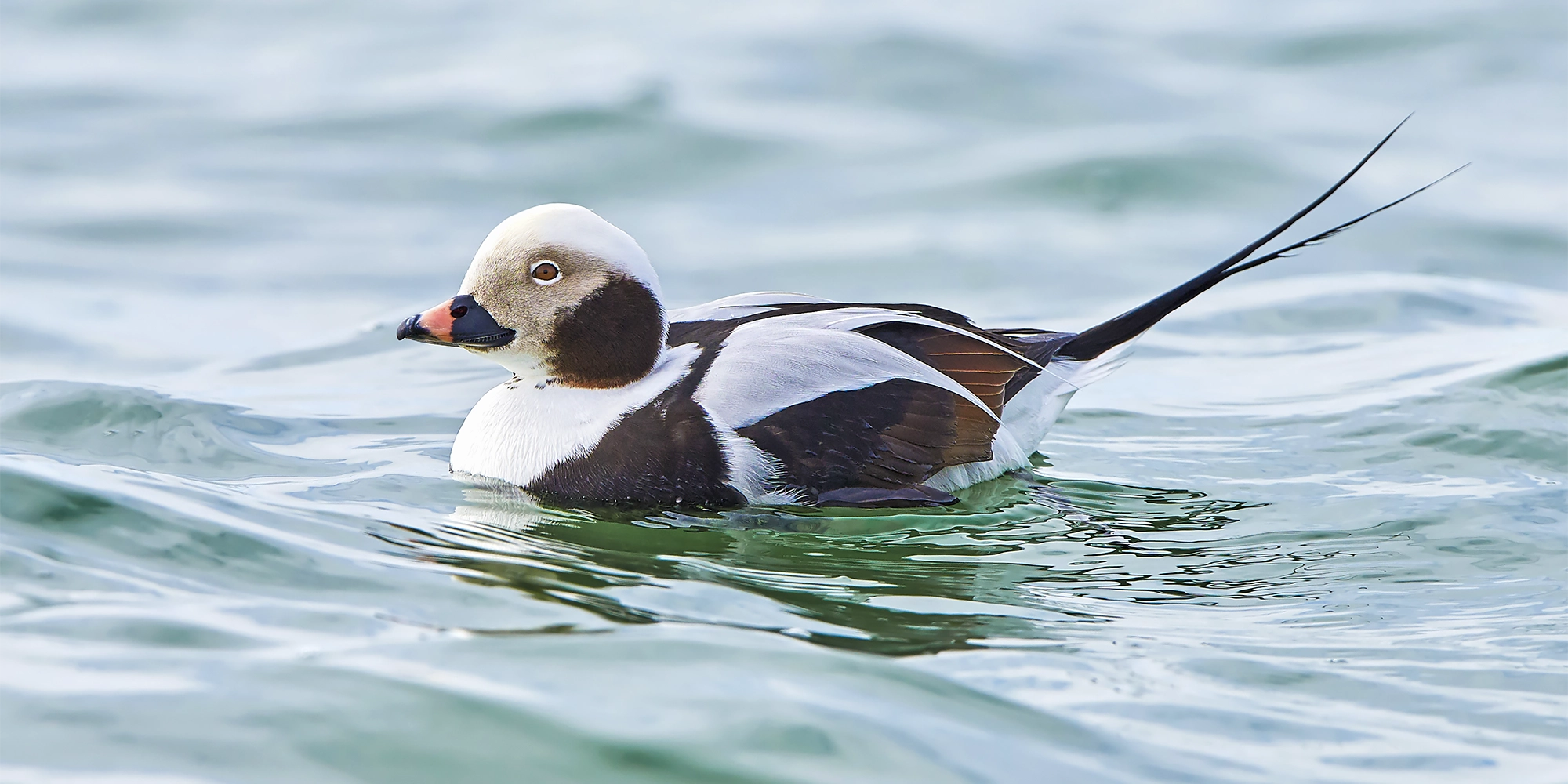
Picture this: It’s a crisp December morning, the kind where your breath hangs in the air like a tiny fog bank, and you’re bundled up on the edge of a half-frozen lake. The sun’s just peeking over the horizon, turning the ice into a glittering mess that could double as a disco floor. Then, out of nowhere, a flock of ducks bursts onto the scene—diving, splashing, and making noises that sound like a cartoon character gargling gravel. That’s winter waterfowl for you. These feathered oddballs aren’t just surviving the cold; they’re putting on a show that’s equal parts hilarious and hypnotic. As someone who’s spent more winters than I care to admit chasing these birds from Michigan’s icy shores to the milder bays of the Chesapeake, I can tell you they’re the unsung stars of the season. Let’s dive in—pun very much intended—and explore what makes these winter wanderers so darn captivating.
What Are Winter Waterfowl?
Winter waterfowl are the ducks, geese, and swans that trade their northern breeding grounds for milder spots when the tundra turns into a giant popsicle. We’re talking species like mallards, goldeneyes, and tundra swans that migrate south—sometimes just a state or two, other times clear across continents—to find open water and decent grub. Unlike summer, when they’re scattered and raising broods, winter packs them into rafts on lakes and rivers, turning quiet waters into avian block parties. It’s a survival strategy wrapped in spectacle, and if you’ve ever heard a goldeneye’s “meep” call, you know it’s as weird as it is wonderful.
These birds aren’t your average pond paddlers. Many are divers that plunge 20 feet or more for mussels, or dabblers that upend themselves like they’re auditioning for a yoga class. Over 30 species might show up in places like the Great Lakes region alone, each with quirks that make them stand out. From the harlequin duck’s clownish tuxedo to the redhead’s nest-crashing habits, they’re nature’s eccentrics, reminding us that adaptation often comes with a side of absurdity.
Why Do They Migrate in Winter?
Migration isn’t a vacation—it’s a calculated gamble against frostbite and famine. As arctic waters ice over, waterfowl bolt south to spots with unfrozen ponds and calorie-rich snacks like seeds, shellfish, and fish. Photoperiod—the shortening days—kicks things off, but cold snaps and dropping food supplies seal the deal, pushing flocks along flyways like the Mississippi or Atlantic.
It’s not all smooth flying. Warmer winters lately mean some birds short-stop farther north, lingering where cornfields and mild temps keep the buffet open. For dabblers like pintails, it’s about flooded fields; divers like scoters chase ocean waves for clams. This yearly shuffle sustains populations, but climate shifts are rewriting the route, making every winter a bit more unpredictable.
One year, during a brutal Michigan freeze, I watched a raft of mergansers huddle on the last open patch of river, their red eyes glowing like embers. It hit me then: migration’s their superpower, turning potential disaster into a feathered road trip.
Spotlight on the Weird Ones
The Common Goldeneye: Master of the Mating Meep
This diving duck looks like it raided a jewelry store—those golden eyes pop against a black-and-white head that’s basically a tuxedo for birds. Winters find them in huge flocks on open waters, plunging for crustaceans with the grace of a synchronized swim team gone rogue. But the real showstopper? Males throw their heads back and belt out a nasal “meep!” during off-season courtship, like they’re auditioning for a sci-fi flick.
I once spent a foggy dawn tracking a goldeneye’s call across Lake Huron—it echoed off the ice like a lost cartoon duck. Their quirky dives and that absurd honk make them winter’s comic relief, proving even survival can have a punchline.
Harlequin Duck: Surf’s Up, Clown Edition
Named for its harlequin pattern of slate blue, white slashes, and rust, this sea duck is the punk rocker of waterfowl, riding crashing waves like a feathered surfer. They winter on rocky coasts, diving into rapids for bugs and mollusks, emerging with that wild crest looking windswept and triumphant.
Spotting one off Newfoundland felt like stumbling on a secret beach party—their bold markings cut through the spray, and their tight flocks bobbed like they’re plotting a heist. It’s that blend of beauty and bravado that hooks you, turning a stormy shore into poetry.
Red-Breasted Merganser: The Punk Rocker with Attitude
With a punk mohawk crest, blood-red eyes, and a serrated bill for snaring fish, this merganser screams “don’t mess with me.” They chase winter along coasts and rivers, diving headlong into schools of minnows with reckless abandon.
My first merganser sighting was a comedy of errors—I mistook its raspy croak for a crow until it surfaced with a wriggling perch. Their fierce dives and that “don’t tread on me” vibe add edge to winter’s palette, like the bird world’s answer to a leather jacket.
Bufflehead: Tiny Tornadoes of the Tundra
These pint-sized divers zip across water like caffeinated bullets, their big white head patches flashing like warning lights. From Canadian forests, they migrate to sheltered bays, spiraling down in courtship displays that look like feathered fighter jets.
I laughed out loud watching a male bufflehead fan his wings and puff up on a Detroit pond—it was pure showboat energy amid the gray. Their speed and sparkle make them winter’s hyper little dynamos, impossible to ignore.
Unique Behaviors That’ll Make You Smile
Winter’s not downtime for these birds; it’s improv theater on ice. Courtship kicks off early, with males splashing, chasing, and vocalizing in aerial ballets that’d make a rom-com jealous. Dabblers tip up for greens, butts skyward, while divers vanish like magic tricks, popping up with snacks.
Flocks form mega-rafts for safety, honking in chorus or diving en masse—it’s democracy in feathers. And the nest parasites? Redheads lay eggs in strangers’ nests, turning family trees into feathered foster care. One stormy day in Wisconsin, I saw goldeneyes huddling against wind, their “meeps” a defiant chorus. It’s resilience wrapped in whimsy, pulling you in every time.
Where to Spot Them: Prime Winter Hotspots
Great Lakes: The Ultimate Duck Party
From Michigan’s inland bays to Lake Superior’s edges, the Great Lakes draw tens of thousands, concentrating in unfrozen pockets like Saginaw Bay or Detroit River. It’s rafts of scoters and goldeneyes against icy backdrops—pure magic.
Bundle up for Belle Isle trails; I’ve pulled over mid-commute just to watch buffleheads there. Access is easy via state parks, and the diversity rivals a birding convention.
Chesapeake Bay: Coastal Chaos
This estuary’s marshes and shallows host canvasbacks and swans by the thousands, with divers hugging the waves. Blackwater National Wildlife Refuge is a gem, open for hikes and kayaks.
A foggy paddle there once gifted me a merganser flyby—heart-pounding reminder of why we chase these spots.
California Central Valley: Rice Field Rendezvous
Refuges like Sacramento NWR teem with pintails and wigeon amid flooded fields—over 5 million birds strong. Auto tours make it newbie-friendly.
I drove through once at dusk; the sunset-lit flocks felt biblical. It’s transactional gold for birders too—guided tours abound.
| Hotspot | Key Species | Best Access | Pro Tip |
|---|---|---|---|
| Great Lakes (MI) | Goldeneye, Bufflehead | State parks, boat ramps | Dawn for courtship shows |
| Chesapeake Bay (MD/VA) | Canvasback, Tundra Swan | Wildlife refuges, kayaks | Layer for bay breezes |
| Central Valley (CA) | Pintail, Wigeon | Auto loops, blinds | Post-rain for flooded fields |
| Gulf Coast (LA/TX) | Mottled Duck, Teal | Marshes, blinds | Hunt ethics: low disturbance |
Gear Up: Best Tools for Winter Waterfowl Watching
Birding in the chill demands kit that punches above the cold. Start with waterproof layers—I’ve ruined too many coats to skimp. A good field guide like the Sibley Guide to Birds is non-negotiable for quick IDs.
Top Binocular Picks for Spotting Ducks
For crisp views of distant divers, mid-range bins shine. Here’s a quick comparison:
| Model | Magnification | Price Range | Why It Wins | Drawback |
|---|---|---|---|---|
| Athlon Midas ED 8×42 | 8x | $300–$400 | Edge-to-edge clarity, durable for wet chills | Bit heavy for all-day carry |
| Celestron TrailSeeker 8×42 | 8x | $200–$300 | Bright low-light for dawn rafts, comfy grip | Narrower field than premium |
| Nikon Monarch M5 10×42 | 10x | $250–$350 | Sharp for big flocks, fog-proof | Steadier hands needed |
The Athlon’s my go-to—held up through a sleet storm on Lake Erie without fogging. Pair with a Merlin Bird ID app for on-the-fly confirmations.
Pros of investing in quality bins:
- Crystal views turn blurs into buffleheads
- Waterproofing saves sanity in drizzle
- Ergonomics mean less fatigue for long stares
Cons:
- Upfront cost stings
- Heavier models tire arms quick
For transactional ease, check REI for bundles with straps. And don’t forget a thermos—hot cocoa pairs perfectly with swan silhouettes.
Conservation: Keeping the Weird Alive
These birds face habitat squeezes from development and warming winters, shifting ranges and stressing flyways. Groups like Ducks Unlimited restore wetlands, ensuring open water for all.
I’ve volunteered at a Michigan refuge, planting marsh grass while chatting with locals—it’s hands-on hope. Support via stamps or donations; every acre counts against the freeze.
People Also Ask
What is the weirdest winter duck?
Hands down, the harlequin duck takes the crown with its sailor-suit plumage and wave-crashing dives—it’s like if a clown joined the navy. Runners-up include the goldeneye’s meep and the merganser’s punk crest.
Where are the ducks in winter?
They cluster on unfrozen waters like rivers and bays, from Great Lakes eddies to Gulf marshes—follow the open water.
How do waterfowl survive cold winters?
Thick down, fat layers, and huddling tricks keep them toasty, plus migration to milder spots. Divers even shiver less by tucking bills under wings.
When do ducks start migrating south?
Late fall, triggered by shortening days and first frosts—blue-winged teal lead the pack in September.
FAQ
What’s the best time of day to see winter waterfowl?
Dawn and dusk, when they’re feeding frenzy-style. Mornings catch courtship antics; evenings bring roost fly-ins. I’ve nailed epic shots at sunrise—grab coffee and go.
How can beginners identify ducks in flight?
Focus on silhouette, wing patterns, and flock shape—fast zigzags scream teal, steady Vs are geese. Practice with apps like Merlin; field time’s the real teacher.
Are there threats to winter waterfowl populations?
Yes, habitat loss and lead poisoning top the list, but conservation’s turning tides. Avoid old tackle; support wetland funds.
Can I feed winter ducks safely?
Skip bread—it messes digestion. Natural spots with seeds work better, but let pros handle feeding at refuges.
What’s one must-see winter behavior?
Goldeneye courtship: head-throws and meeps that sound like alien farts. Hilarious and heartfelt—pure bird joy.
There you have it—the weird, wonderful world of winter waterfowl, from meeping divers to surf-riding harlequins. Next freeze, grab your bins and hit the water; these birds don’t just endure winter, they own it. What’s your favorite feathered freak? Drop a line—I’d love to swap stories. Stay warm out there.