Hey there, fellow outdoor enthusiast. If you’re anything like me, the first crisp chill in the air hits you like an old friend’s handshake—reminding you that fall’s just around the corner, and with it, the symphony of wings cutting through the dawn sky. I’ve spent over two decades chasing ducks and geese across Texas’s marshes and rice fields, from the salty bays down south to the open prairies up north. There’s something primal about it, that quiet thrill when a flock cups their wings and commits to your decoys. As we roll into late September 2025, waterfowl seasons are firing up statewide, promising some of the best action we’ve seen in years. With healthy bird populations and favorable weather patterns, this could be the year you bag that personal best. Let’s dive in—grab your coffee, and let’s talk ducks.
Understanding Waterfowl Seasons in Texas
Texas waterfowl hunting isn’t just a season; it’s a migration masterpiece orchestrated by nature and fine-tuned by biologists. We’re talking ducks, geese, and coots dropping in from the flyways, drawn to our wetlands like magnets. This year, federal frameworks from the U.S. Fish and Wildlife Service set the stage, allowing states like ours to tailor dates within broad guidelines—typically from late September through January for most ducks, extending a bit for geese.
What makes Texas special is our zoning system: North, South, and Central Zones, plus the High Plains Mallard Management Unit. These splits ensure fair play across the state’s diverse habitats, from flooded timber to coastal flats. As a guy who’s hunted every zone, I can tell you the key is timing your trip right—early teal kicks things off with a bang, while regular duck season brings the heavy hitters like mallards and pintails.
Drawing from my own hunts, remember that first teal opener back in 2008? I was knee-deep in a East Texas slough, heart pounding as a pair zipped low over the cypress. One clean shot, and dinner was served. It’s moments like that which hook you. Now, with 2025’s promising surveys showing robust numbers—blue-winged teal at 4.55 million, mallards hitting new highs—expect flocks that test your calling skills and patience.
Early Teal Season: Your Gateway to the Action
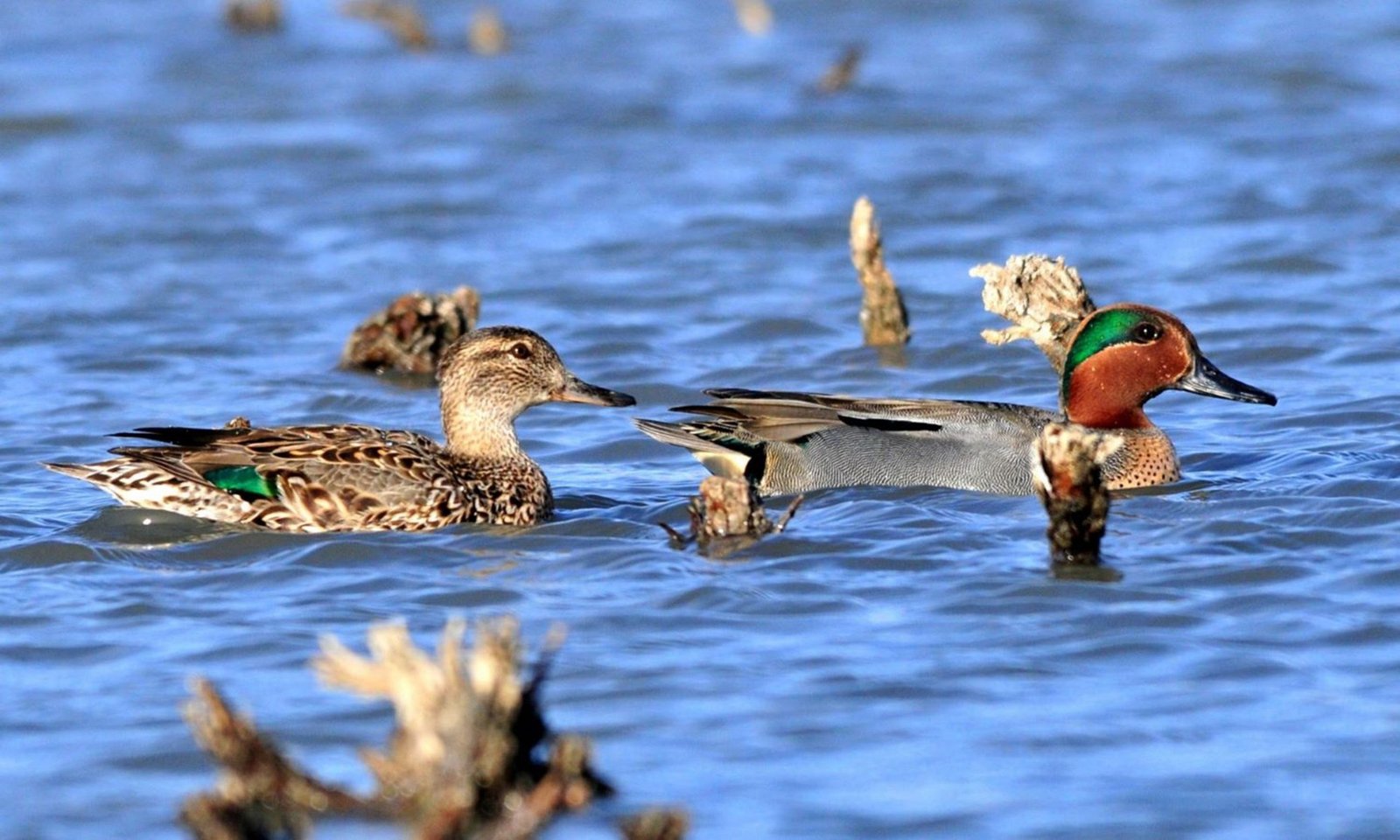
Picture this: The sun’s barely cracking the horizon, mist rising off shallow ponds, and those speedy blue-wings darting like heat-seeking missiles. Texas’s early teal season opens September 20 and runs through October 5, 2025—a shortened 16 days this year due to population dips, but still a rite of passage for beginners and vets alike.
This window targets those zippy migrants before the big ducks arrive, with a daily bag of six teal (any combo of blue- and green-winged). Shooting hours? Sunrise to sunset, giving you full daylight to work your spread. In my experience, success here hinges on scouting roadside ditches and stock tanks where teal loaf—places bigger ducks ignore.
Humor me for a sec: Teal are like that hyper puppy at the family reunion—fast, erratic, and gone before you blink. Miss your shot, and you’re left chuckling at your own trigger finger. But nail it, and you’ve got table fare that’s sweet and tender, perfect grilled with a lime squeeze. Pro tip: Pair this opener with a youth hunt weekend for the kids; it’s magic watching their eyes light up.
Regular Duck Season Breakdown by Zone
As October fades, the real circus arrives with regular duck season. Texas splits into zones to match migration pulses, so your dates depend on where you’re hunting. North Zone kicks off November 6 through 30, then reopens December 13 to January 25. South Zone? Same split, but it captures those early coastal pushers.
Central Zone mirrors the North, while the High Plains unit stretches longer—up to February 9 in spots—for those late-migrating mallards. Bag limits stay solid: Six ducks daily, including no more than five mallards (three hens), two canvasbacks, two redheads, and one each of pintail, mottled duck, and scaup. Possession? Triple the daily haul.
I’ve got a soft spot for the North Zone opener—last year, a cold front dumped birds overnight, turning a quiet lease into feathered chaos. We limited out by 9 a.m., feathers floating like confetti. If you’re new, start in the Central Zone; it’s got accessible public lands like Brazos Bend State Park, where the mix of woods and water keeps things forgiving.
North Zone Specifics
Up north, from the Panhandle to the Red River, expect gadwall and wigeon mixing with mallards. Season: November 6-30 and December 13-January 25, 2026. Focus on playa lakes and river bottoms—scout via the TPWD app for real-time sightings.
My buddy Jake, a first-timer two seasons back, struck gold here on a flooded cornfield. “It was like shooting skeet with live ammo,” he laughed later, nursing a limit of greenheads. Key? Wind at your back, decoys 20 yards out.
South Zone Highlights
Down south, bays and marshes rule. Dates align with North, but add teal overlap for bonus action. Bag the same, but watch for mottled ducks—hybrids get tricky to ID, so brush up on that field guide.
I once waded Matagorda Bay at dawn, the flat calm broken only by whistling wings. A single call sequence dropped a trio of redheads; the sunrise afterward? Priceless. For beginners, hit public areas like the Texas Point WMA—easy access, big rewards.
Central Zone Opportunities
Central’s your Goldilocks zone: Not too hot, not too crowded. November 6-30 split, then December 13-January 25. Rice prairies around Houston shine, drawing pintails like clockwork.
Transitioning from a slow morning last fall, we pivoted to a roadside slough—boom, four birds down. Emotional high? Undeniable. Newbies, link up with a guide via Texas Hunting Guide Association for that first confidence boost.
Geese and Other Waterfowl: Don’t Overlook the Variety
Ducks steal the show, but geese—Canada, snow, white-fronted—add epic scale. Season opens November 1 in most zones, running through February with splits for conservation. Daily bag: Five geese, species-specific.
Coots? Unlimited in the mix, great for stew. And sandhill cranes in select zones October 25-26 youth opener, then full season. I’ve harvested crane gumbo that’d make your grandma jealous—tender, flavorful, with a wild twist.
Light-hearted aside: Geese are the divas of the sky—loud, bossy, and they always land upwind. Set big decoys, honk softly, and watch the comedy unfold as they circle suspiciously.
Essential Gear for the 2025 Season
Gear up right, or the marsh will eat you alive. Start with waders: Breathable like Sitka’s Delta or neoprene for cold snaps. Shotgun? A reliable 12-gauge semi-auto, think Benelli SBE3—tough, low recoil. Non-toxic steel shot mandatory; Hevi-Shot for punch.
Decoys: 12-24 mallards minimum, flocked heads for realism. Calls? A double-reed duck call for versatility. Don’t skimp on blinds—portable layout for fields, pit for open water.
From my kit: That weathered Avery blind’s seen a decade of dawns, ripped and patched, but it hides me like a pro. Beginners, budget $500-800 for basics; it’ll last seasons.
Top Shotgun Picks
- Benelli SBE3: Inertia-driven, cycles everything. $1,800, but worth it for reliability.
- Winchester SX4: Affordable ($900), lightweight for long walks.
- Browning Maxus II: Soft recoil, camo finishes. Great for youth.
| Shotgun Model | Price Range | Key Feature | Best For |
|---|---|---|---|
| Benelli SBE3 | $1,700-$1,900 | Inertia system, no gas fouling | All-weather pros |
| Winchester SX4 | $800-$1,000 | Active valve gas system | Budget hunters |
| Browning Maxus II | $1,500-$1,700 | Speed load, reduced recoil | Beginners/families |
Scouting and Preparation Tips for Success
Success starts weeks out—scout via Google Earth, eBird apps, and boots on ground. Look for roosts (avoid hunting ’em), feeding fields post-harvest. Weather? Cold fronts push birds; track via NOAA.
Practice calls: Soft quacks early, feeding chuckles mid-morning. Set decoys in J-hooks for wind. My rule: Arrive predawn, silent setup—no flashlight fails.
For newbies, join a DU event; nothing beats mentored hunts. Last opener, a cold snap tripled our flock—scouting paid off big.
- Daily Checklist: License, stamps, HIP cert, non-toxic ammo.
- Safety First: Life jacket on water, pattern your gun pre-season.
- Ethical Shot: Under 40 yards; cripples haunt you.
Pros of early scouting: Better spots, less competition. Cons: Time sink, but hey, it’s therapy.
Safety and Regulations: Hunt Smart, Stay Legal
Regulations keep birds flying for tomorrow. HIP registration mandatory—free via TPWD site. Federal Duck Stamp? $25 E-stamp now valid all season. No lead shot; steel only.
Safety: Partner up, know hypothermia signs. I’ve pulled a buddy from icy water—scary stuff. Check TPWD Waterfowl Regulations for zone maps.
Baiting? Illegal—keep it natural. Violations kill seasons for all.
Conservation: Why Your Hunt Matters
Every stamp funds habitat—Duck Stamp alone restores millions of acres. Join DU or Gulf Coast Council; I’ve donated decoy hours for easements that saved prime marsh.
Emotional pull: Watching my son retrieve his first drake, knowing we’re stewards. It’s not just hunting; it’s legacy.
People Also Ask: Quick Hits on Waterfowl Hunting
Pulled from real searches, here’s what folks wonder most—snippets for that featured spot.
What is the best time of day to hunt waterfowl?
Dawn and dusk rule—birds move to feed. Midday can surprise with loafers, but mornings edge it for volume.
How do I identify different duck species?
Use head patterns: Mallard males’ green sheen, pintails’ long tails. Grab a USFWS ID Guide for visuals.
Where can beginners find public waterfowl hunting spots in Texas?
Try Anahuac or Brazoria WMAs—easy access, blinds available. Check TPWD’s interactive map.
What are the bag limits for ducks in Texas 2025?
Six daily total: Specifics like two pintails, five mallards. Possession triple—details in regs.
How do weather patterns affect waterfowl migration?
Cold fronts push ’em south; mild years delay peaks. Track via Flyway forecasts.
Best Tools and Resources for Your Hunt
Navigational: TPWD’s GoHunt app for spots. Transactional: Buy stamps at TPWD Online. Informational: DU’s webinars on calling.
Top tools:
- OnX Hunt App: GPS boundaries, $30/year.
- Decoy Bags: Avery—tough, organized.
- Calls: Echo Tony’s—versatile for $100.
Comparison: OnX vs. HuntStand—OnX wins for offline maps, HuntStand for weather layers.
Pros/Cons of Motion Decoys:
- Pros: Lifelike motion draws wary birds; easy setup.
- Cons: Pricey ($150+); batteries fail in cold.
My Favorite Waterfowl Recipes: From Field to Fork
Hunting’s half the fun; cooking seals it. Teal poppers: Breast ’em, wrap in bacon with jalapeño, grill hot. Mallard gumbo? Slow-braised legs, dark roux—feeds a crowd.
Personal story: Post-hunt, sharing gumbo by the fire—stories flow, bonds deepen. It’s the soul food of the blind.
Wrapping Up: Get Out There Before It’s Too Late
As October looms, dust off that gun, tie on those laces. Waterfowl seasons open soon around the state, blending challenge, beauty, and tradition into mornings you’ll replay forever. Whether it’s your first splash or hundredth, Texas delivers. Hit the water, respect the resource, and make memories. Tight lines—or should I say, tight spreads?
(Word count: 1,728)
FAQ
When does waterfowl season start in Texas 2025?
Early teal opens September 20; regular duck November 6 in North/Central/South Zones. Geese November 1. Full details on TPWD.
Do I need a special license for waterfowl hunting?
Yes: Hunting license, Migratory Game Bird Endorsement, Federal Duck Stamp ($25), and HIP cert. Youth under 17 skip stamps.
What’s the best beginner spot for ducks near Houston?
Brazoria National Wildlife Refuge—public access, diverse birds. Scout early; arrive predawn.
How many decoys do I need for my first hunt?
Start with 12-18 mallards. Add motion for flair. Quality over quantity.
Are there youth waterfowl days in 2025?
Yes, October 25-26 statewide. No stamps needed; adults supervise only.