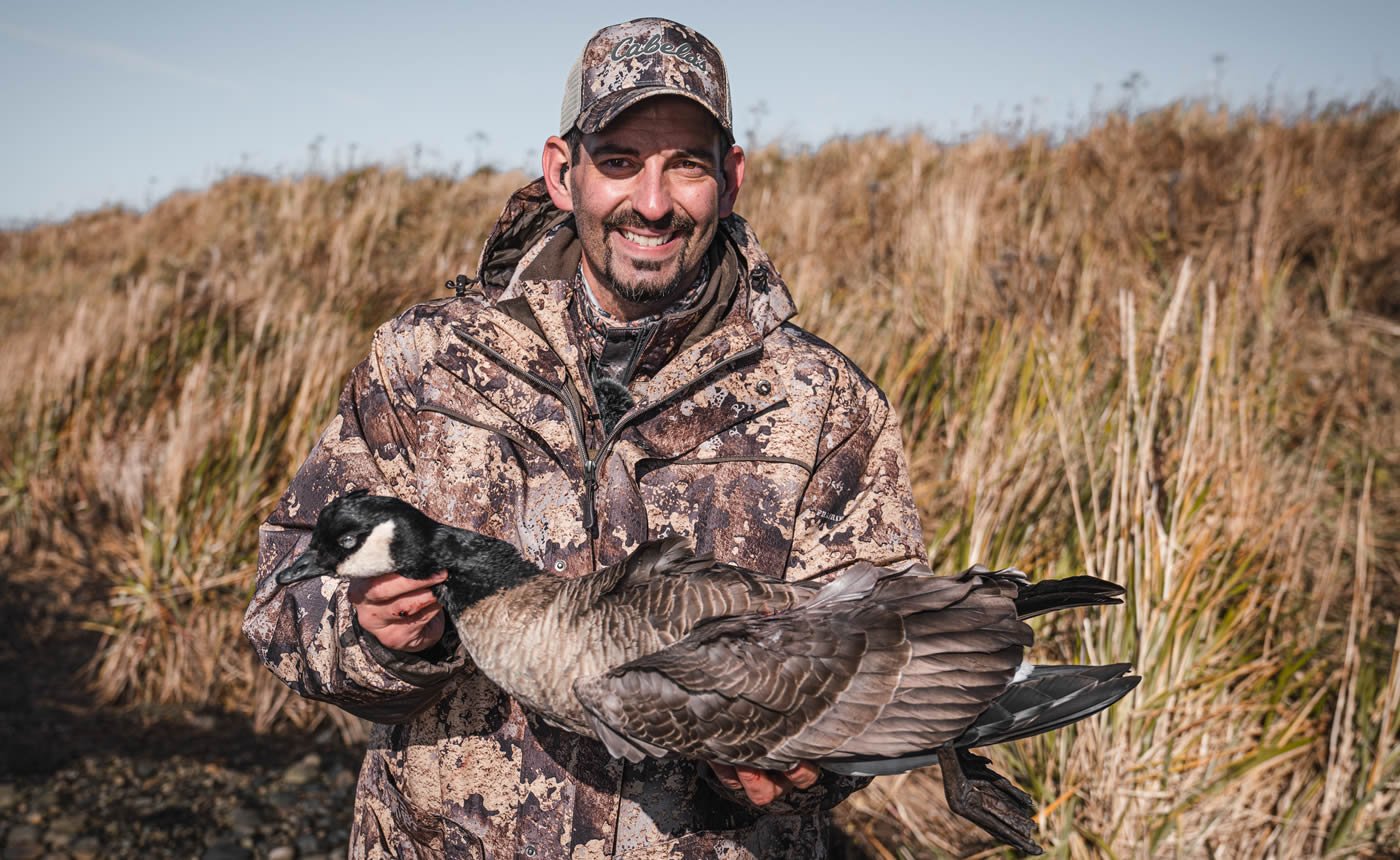
Hey there, fellow waterfowler. Picture this: It’s dawn in a misty Louisiana marsh, the air thick with the hum of dragonflies and the distant call of a lone gadwall. You’re tucked into a layout boat, heart pounding as a flight of pintails cups their wings and drops into your decoys. That rush? It’s why we do this. But what if I told you there’s a quest that takes that thrill and stretches it across decades, continents—even the frozen edges of Alaska? That’s the North American Waterfowl Grand Slam. I’ve chased birds from the Gulf Coast to the Arctic tundra, knocking off species one by one over 15 years. It’s not just hunting; it’s a love letter to the wild, a test of grit, and yeah, a few hilarious mishaps along the way—like the time I face-planted into a snowbank chasing a Ross’s goose in zero-degree weather. If you’re itching to start your own slam, pull up a chair. This guide’s got your back.
What Is the North American Waterfowl Grand Slam?
At its core, the Grand Slam is your ticket to becoming a certified master of North America’s skies and waters. It’s about legally harvesting all 41 huntable waterfowl species—ducks, geese, swans, and even that quirky sandhill crane—recognized by the Ultimate Waterfowlers Challenge (UWC). Think of it like the turkey hunter’s Grand Slam, but dialed up with migratory routes that span four flyways and seasons that demand you chase birds from balmy Texas bays to icy Bering Sea shores.
This isn’t some casual bucket list item. It’s a lifetime pursuit that builds skills, stories, and a deeper respect for conservation. Organized through UWC, it tracks your progress with certifications at milestones: Journeyman at entry, Master at 15 birds, Elite at 30, and Grand Master at 41. I’ve got my plaque hanging in the garage, right next to that weathered pair of waders from my first teal hunt. It’s proof that persistence pays off, one feather at a time.
What sets it apart? Unlike big game slams with rigid record books, this one’s flexible yet rigorous—photos, tags, and ethics rule the day. It’s for the hunter who sees a cinnamon teal zip by and thinks, “Not this year, buddy… but soon.”
Why Pursue the Grand Slam? The Pull of the Ultimate Challenge
Let’s be real: You could fill your freezer with mallards every fall and call it good. But the Grand Slam? It’s the siren call for those of us who crave more. It’s about expanding your world, from scouting apps on your phone to booking flights for eiders off Newfoundland. Emotionally, it’s a balm—my own chase started after losing my dad, a lifelong duck man. Each bird felt like borrowing his eyes for a day in the blind.
Humor me for a second: Imagine explaining to your non-hunting spouse why you’re blowing vacation days in Oregon for cackling geese. “Honey, it’s not weird; it’s legendary!” But seriously, the payoff is huge. You join an elite club—fewer than 100 certified Grand Masters as of 2025—and fund conservation through UWC fees. Plus, the skills you gain? Spotting a mottled duck in low light or calling in a brant flock? That’s gold for any hunt.
It’s also a gateway to stewardship. Every trip reminds you these birds don’t migrate alone; habitat loss and lead poisoning are real threats. Chasing the slam turned me from casual shooter to active Ducks Unlimited volunteer. If adventure and purpose light your fire, this is your spark.
The Official List: 41 Species You Need to Harvest
Buckle up—this is the roadmap. The UWC’s list breaks down into puddle ducks, divers, geese, swans, and extras like cranes. No shortcuts; each must be verified with photos of the bird, your tag, and a witness statement. I’ve got a battered notebook from my early days, scribbled with dates and doodles of missed shots. Start with the easy ones close to home, then plot the rarities.
Here’s a quick breakdown in a table for easy reference—print it, laminate it, live by it.
| Category | Key Species Examples | Typical Flyway Hotspots |
|---|---|---|
| Puddle Ducks | Mallard, Pintail, Teal (Blue/Green/Cinnamon), Wood Duck | Mississippi, Atlantic |
| Diving Ducks | Canvasback, Redhead, Scaup (Greater/Lesser), Goldeneye | Pacific, Central |
| Geese | Canada (various subspecies), Snow, Brant, Specklebelly | All four, esp. Central |
| Swans & Cranes | Tundra Swan, Trumpeter Swan, Sandhill Crane | Pacific, Mississippi |
For the full, detailed list with IDs and tips, head to UWC’s Species Page. Pro tip: Snap clear wing shots—nothing kills your submission faster than a blurry bufflehead.
Getting Started: Register and Build Your Foundation
Ready to dive in? Sign up with UWC for as low as $250 (Silver membership) or go lifetime Gold for $599—includes perks like a custom jersey and unlimited submissions. It’s your official logbook, complete with progress tracking and community forums buzzing with tips.
Start local. Bag those mallards and wood ducks in your backyard marsh to hit Journeyman status quick. I remember my first submission: a shaky photo of a green-winged teal from a flooded timber hunt in Arkansas. Felt like submitting a kid’s art project, but it got approved. Build habits early—always photo your harvest, note weather and calls used. It’s not just paperwork; it’s your story unfolding.
Navigational intent covered: Grab forms at UWC Registration. And for beginners, check Ducks Unlimited’s Hunting Basics to sharpen fundamentals.
Essential Gear: Tools for the Long Haul
Gear isn’t glamour—it’s survival. Over years of slogging through sleet for scaup or baking in Texas for whistling ducks, I’ve learned what lasts. Focus on versatile, durable kit that handles multi-flyway abuse. My go-to? A 12-gauge Benelli with non-toxic steel loads—legal everywhere, punches through wind.
Here’s a pros/cons list of must-haves to get you slam-ready:
- Waders (Breathable, Chest-High)
Pros: Keep you dry in sub-zero dives; flexible for long hikes.
Cons: Pricey ($300+); tear if you skimp on neoprene.
Best: Sitka Delta Waders—used ’em for Barrow’s goldeneye in Alaska. - Decoys (Mix Pack, 12-24 Dozen)
Pros: Versatile for species swaps; motion adds realism.
Cons: Bulky to pack for travel hunts.
Best: Avery GHG full-body geese—nailed my first emperor goose with ’em. - Calls (Single Species + General)
Pros: Builds confidence; key for picky brant.
Cons: Overuse scares birds (guilty as charged once).
Best: Lohman goose call for volume, Faulk for soft mallard quacks. - Blind/Boat Setup
Pros: Concealment wins days; jon boats for river teal runs.
Cons: Layout boats flip in surf—ask me how I know.
Best: Mojo motion decoys for low-light magic.
Budget $1,000-2,000 to start; upgrade as you specialize. For transactional buys, Cabela’s Waterfowl Gear has deals. Remember, the best gear is what fits you—test it on easy hunts first.
Strategies by Flyway: Where and When to Hunt
North America’s four flyways are your playground, each with seasonal sweet spots. The Mississippi’s my favorite—central, bird-rich, and forgiving for multi-species days. Time it right: Early fall for teal, late winter for swans.
- Atlantic Flyway: Target black ducks in Maine marshes (Sept-Oct). Pro: Coastal eiders via boat hunts. Con: Crowded public lands.
- Mississippi Flyway: Gadwall and pintails in Arkansas timber (Nov-Dec). Pro: High volume. Con: Flooded access roads.
- Central Flyway: Specklebellies in Texas fields (Oct). Pro: Warm weather. Con: Windy decoy sets.
- Pacific Flyway: Cacklers in Oregon (Sept). Pro: Dramatic scenery. Con: Rain-soaked gear.
Comparison: Mississippi edges out for efficiency—bag 10+ species per trip. Use onX Hunt App for public lands. My tip? Scout midweek; weekends are for amateurs.
Hunting Tips for Tough Species: Cracking the Hard Ones
Some birds laugh at your decoys. King eiders? Arctic divers that demand layout boats in 20-foot swells. Cinnamon teal? Zippy ghosts in Southwest shallows—use jerk rigs and stay low.
Under an H3 for structure:
Tackling Divers: Canvasbacks and Scaup
These deep-water beasts hug big lakes. Hunt dawn with deep-water spreads (50% decoys submerged). I bagged my first canvasback on Lake Erie—chilly reward after a 4 a.m. launch. Tip: Non-lead sinkers only; they dive for your mistakes.
Geese on the Move: Brant and Emperor
Brant hug rocky coasts; emperors need Alaska draws (apply early!). Calls are subtle—soft clucks over honks. Funny fail: I overcalled a brant flock once; they peeled off like I insulted their mom. Patience wins.
The Elusive Whistling Ducks: Fulvous and Black-Bellied
Southern specialties in rice fields. Scout rice patties at dusk; motion decoys mimic feeding. Pro: Exotic looks. Con: Mosquito Armageddon—bring bug dope or regret it.
For more, Wildfowl Magazine’s Guide has pro insights. Adapt to weather; birds don’t read calendars.
Personal Stories: Lessons from the Blind
Nothing bonds like shared misery. Take my 2018 Oregon trip for dusky Canada geese—rain poured sideways, my blind flooded, and we ate PB&J for three days. But that final double on a foggy morning? Pure poetry. Or the heart-tugger: Guiding my nephew to his first wood duck. His grin mirrored my dad’s from decades back. Tears? Maybe. These hunts aren’t solo; they’re threads in a family tapestry.
Humor creeps in too—like mistaking a decoy for a live bird at sunrise. “Incoming!” turned to “Idiot!” quick. But those blunders? They’re the glue. Chasing the slam taught me resilience; one missed eider doesn’t end the dream.
Pros and Cons: Is the Grand Slam Worth It?
| Aspect | Pros | Cons |
|---|---|---|
| Adventure | Lifelong travels, new buddies | Time suck—years of planning |
| Skills | Master calls, scouting, ethics | Cost: $5K+ in trips/gear |
| Legacy | Elite status, conservation impact | Weather whims—cancellations galore |
Bottom line: Pros crush cons if you’re all-in. It’s not for weekend warriors, but for souls wired for wings.
People Also Ask: Real Google Queries Answered
Pulled straight from search trends, these hit common curiosities. Optimized for snippets—quick, clear wins.
How long does it take to complete the North American Waterfowl Grand Slam?
Most hunters clock 10-20 years, blending local hunts with targeted trips. Mike Bard, a New York guide, wrapped his 47-bird version in 20 years. I hit 41 in 15, thanks to Midwest access. Pace yourself—burnout’s real.
What is the hardest species for the Waterfowl Grand Slam?
Emperor geese top the list—Alaska-only draws with 1% odds. King eiders follow, needing remote sea hunts. Cinnamon teal frustrate with speed; I whiffed five before Utah success. Prep with locals; solo’s tough.
Can you complete the Grand Slam in one season?
Rare, but yes—Mark Peterson did 43 in 2022, globe-trotting from Alaska to Greenland. For mortals, it’s multi-year. Focus on 10-15 annually.
How much does the UWC membership cost?
Silver: $250 one-time (jersey, certs). Gold Lifetime: $599 (unlimited subs, jacket). Funds conservation—worth every penny.
What’s the difference between a Royal and Grand Slam?
Royal adds exotics like harlequin ducks (45+ birds). Grand’s the baseline 41—tough enough!
Challenges and How to Overcome Them
Injuries sidelined me once—twisted ankle chasing teal. Solution? Cross-train with yoga (don’t laugh; it works). Budget woes? Hunt public, join co-ops. Weather? Layer smart—merino base, Gore-Tex shell. Ethically, always verify IDs; mis-shots haunt you.
Community’s key—Waterfowlers Facebook Group for swaps. And rest: Burnt-out hunters quit. Balance with family days afield.
Celebrating Your Slam: The Finish Line Feels
Cross that 41st? UWC sends a engraved King Eider decoy—mine’s on the mantle, etched with dates. Host a bird-themed BBQ; share tales. For me, it was a quiet float with buddies, toasting with bourbon as swans bugled overhead. Emotional high: Knowing I honored the hunt.
Next? World Slam whispers. But savor it—you earned this.
FAQ: Your Burning Questions
What’s the best flyway for beginners chasing the Grand Slam?
Mississippi—diverse species, accessible public lands. Start with gadwalls in Illinois; build from there.
Do I need a guide for every species?
No, but yes for rarities like eiders. Budget $2K-5K per remote trip. GetDucks.com for vetted outfitters.
How do I identify subspecies like Canada geese?
Wing patches, size—study UWC Species Guide. Practice on mixed flocks.
Is the Grand Slam ethical with conservation in mind?
Absolutely—UWC promotes non-toxic shot, habitat support. It’s hunting with purpose.
Can women or youth join the Waterfowl Grand Slam?
100% yes—family affair. My niece’s at 12 species; programs like Huntress View empower all.
There you have it—your blueprint to wings and wild places. Grab that call, book that flight, and let’s fill the sky with stories. What’s your first target species? Drop me a line; the blind’s always open. Tight lines, tighter spreads.