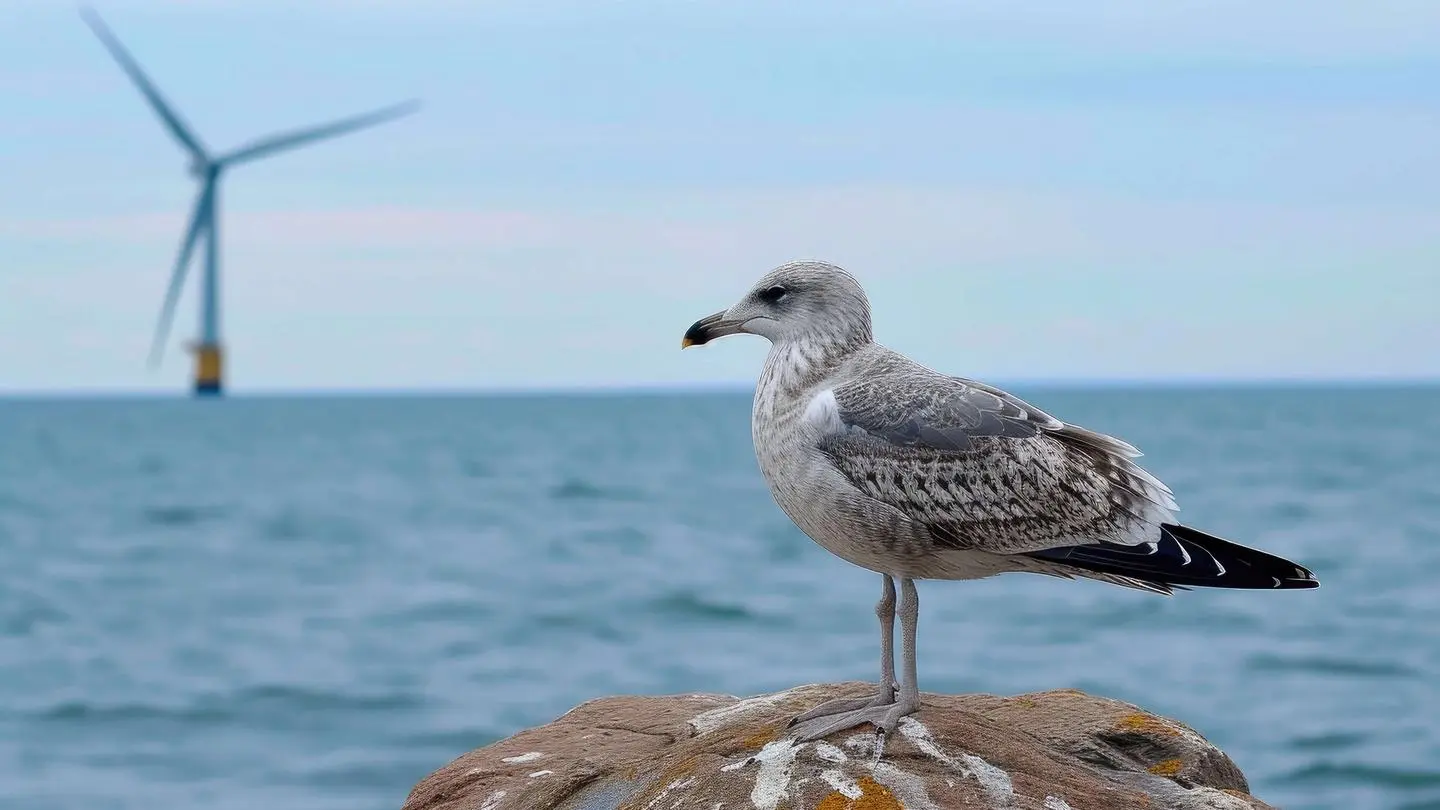
Imagine standing on a windswept cliff in Maine, binoculars pressed to your eyes, watching a colony of Atlantic puffins bob on the waves below. Their colorful beaks stuffed with silvery sand eels, they dive and resurface like feathered submarines. It’s a scene that feels timeless, right? But last summer, during a family trip there, I saw something that stuck with me: empty burrows, fewer birds returning to nest. My kids asked why, and I fumbled for words. Turns out, those struggling puffins aren’t just having a bad year—they’re waving a red flag for the entire ocean. As someone who’s spent years volunteering with coastal bird rescues, I’ve learned seabirds aren’t just pretty postcards from the sea; they’re our early warning system for marine ecosystem collapse. Let’s dive into why their troubles matter so much, and what we can do about it.
Why Seabirds Matter: Nature’s Ocean Whisperers
Seabirds like albatrosses, penguins, and murres spend most of their lives over vast oceans, scouting for fish and krill from the air or diving deep for a meal. They’re top predators in the marine food web, linking tiny plankton to bigger beasts like seals and sharks. When these birds thrive, it signals a balanced, productive sea teeming with life. But when they falter—through failed breeding seasons or mass die-offs—it’s a shout that something’s rotten below the surface. Think of them as feathered thermometers for ocean health, registering changes in temperature, pollution, and food supply long before we notice.
Their role goes beyond drama; seabirds fertilize coastal soils with nutrient-rich guano, boosting plant growth and even coral reefs. I’ve seen this firsthand on a volunteer trip to a remote Alaskan island, where guano deposits turned barren rock into a green haven for insects and berries. Lose the birds, and you lose that cycle. Globally, their populations have plummeted 70% since the 1950s, per a landmark UBC study, equating to 230 million fewer birds. That’s not just sad—it’s a siren for the seas we all rely on for oxygen, fish, and weather stability.
The Alarming Decline: Numbers Don’t Lie
Picture this: In the 1970s, Tufted Puffin colonies dotted Oregon’s coast like confetti—over 100 active sites buzzing with life. Fast-forward to 2025, and the U.S. State of the Birds report paints a grim picture: just 48 colonies left, with breeding pairs down 90%. Across North America, seabird numbers keep sliding, with 229 species now screaming for urgent action. It’s not isolated; Europe’s seabirds have dipped too, with over half of UK and Irish species declining in the last two decades. These aren’t blips—they’re trends tied to broader ocean woes.
What hits hard is the emotional toll. I remember holding a starving common murre during a 2015 beach cleanup in California, its wings too weak to flap. That “hot blob”—a massive marine heatwave—had wiped out nearly a million seabirds from Alaska to California. Humor in tragedy? Well, if oceans had Yelp reviews, seabirds would be the one-star critics: “Zero stars for this warmed-over fish soup.”
Northern vs. Southern Hemisphere: A Tale of Two Oceans
In the Northern Hemisphere, declines are steeper—think 50-year data showing breeding failures across 66 species. Puffins in the Gulf of Maine skip nesting entirely during heatwaves, while murres starve as prey vanishes. Southern waters fare better so far, with penguins holding steady in places like Punta Tombo, Argentina. But experts warn it’s coming—warmer currents are shifting south, punishing females more harshly and skewing sex ratios.
This split highlights urgency: Northern efforts could buy time for global fixes. It’s like one side of the family hoarding the good genes while the other scrambles—eventually, everyone’s in the soup.
Spotlight on Iconic Species: Puffins, Albatrosses, and Penguins
Atlantic puffins, those clown-faced charmers, have lost 70% of their Gulf of Maine breeders since 2007, thanks to sand eel shortages. Wandering albatrosses, soaring nomads, face bycatch hooks that drown 100,000 yearly. African penguins? Down 90% in Namibia from overfished sardines. Each story tugs at the heart—penguins waddling miles for a fish that isn’t there feels like a bad road trip gone existential.
These aren’t random hits; they’re interconnected. Penguins signal collapsing fisheries, albatrosses plastic-choked gyres. Tracking one helps the web.
Root Causes: Human Hands in the Water
Our fingerprints are all over this mess. Overfishing scoops up forage fish like herring and anchovies, leaving seabirds on empty stomachs. Bycatch—accidental snags in nets—kills 300,000 albatrosses alone annually. Add plastics (ingested by 60% of species) and oil spills, and it’s a toxic cocktail. I’ve pulled fishing line from a gull’s leg during a rescue; the relief when it flies free? Priceless, but preventable.
Climate change amps it up—warmer waters spawn jellyfish booms over fish, and acidify shells for plankton at the base. HABs (harmful algal blooms) from nutrient runoff poison prey, hitting murres and puffins hard. Invasive rats on islands devour eggs; one study links them to half of seabird declines.
Climate Change: The Slow Burn
Ocean warming disrupts everything—prey migrates poleward, storms flood nests. The 2014-2016 “Blob” heatwave starved Cassin’s auklets en masse. By 2050, models predict 90% drops for UK puffins under business-as-usual emissions. It’s sneaky: gradual heat turns feasts into famines, breeding grounds into bathtubs.
Rising seas nibble at low islands; Audubon warns 25% of U.S. seabird sites could vanish by 2100. Emotional? Absolutely—like watching your childhood beach erode, one tide at a time.
Overfishing and Bycatch: The Industrial Assault
Fisheries haul 100 million tons yearly, rivaling seabirds’ intake. Longlines hook albatrosses mid-flight; trawls entangle shearwaters. In the Benguela Current, sardine grabs crashed penguin colonies. It’s competition at scale—we’re eating their lunch, and dinner.
Pros of sustainable quotas? Balanced stocks. Cons? Short-term job hits. But data shows healthy fish = thriving birds = stable economies.
Pollution and Habitat Loss: Silent Killers
Plastics mimic food; a 2023 study found microplastics in 90% of examined seabirds. Oil slicks coat feathers, dooming dives. Habitat? Coastal development buries burrows, while invasives like rats turn islands into graveyards.
| Threat | Impact on Seabirds | Example Species Affected |
|---|---|---|
| Plastics | Ingestion blocks digestion | Laysan Albatross (chicks fed hooks) |
| Oil Spills | Feathers lose insulation | Common Murre (Exxon Valdez die-off) |
| Invasives | Egg/chick predation | Nearly 50% of species globally |
This table underscores the multi-front war—each row a call to clean up our act.
How Seabirds Signal Bigger Troubles: Ecosystem Ripples
Seabirds don’t suffer alone; their woes echo through the food chain. Fewer birds mean unchecked jellyfish blooms, starving salmon we fish for dinner. In the North Pacific, murre crashes signal forage fish collapses, hitting orcas and otters too. They’re sentinels: NOAA calls them “proxies for aquatic health,” tracking contaminants from Arctic to tropics.
Personally, witnessing a murre wreck in 2022 off Washington state—thousands washed ashore—felt like the ocean gasping. It wasn’t just birds; crab fisheries closed from domoic acid in their prey. If seabirds falter, so do we—fish stocks crash, tourism dips, coasts erode without guano buffers.
From Birds to Biodiversity: The Domino Effect
Plankton dips from warming? Seabirds skip breeding, fish rebound unchecked then crash, mammals starve. A 2023 study linked heatwaves to die-offs across trophic levels. It’s a web: Pull one thread (overfishing), and albatrosses tangle, sharks go hungry, reefs bleach faster.
Humor break: If oceans were a band, seabirds are the lead singers—when they croak, the whole gig tanks.
Human Ties: Why Ocean Health Hits Home
We breathe ocean-made oxygen (50-80%), eat its protein (17% globally). Seabird declines flag fishery failures—cod stocks wobble when kittiwakes fail. Coastal storms intensify without resilient ecosystems. It’s personal: My coastal hometown’s economy rides on healthy seas; bird tourism alone pumps millions.
Fighting Back: Conservation Wins and Tools
Hope glimmers in action. Eradicating rats from 100+ islands has boosted populations 2-10x. Tori lines on fishing boats slash bycatch 80%. Where to get involved? Start local—Audubon’s coastal programs offer volunteer kits.
Translocations move colonies to safer highs; Hawaii’s effort saved terns from inundation. Best tools? BirdLife’s Seabird Tracking Database maps hotspots for MPAs—free online at seabirdtracking.org.
- Trackers: GPS tags reveal foraging zones, guiding no-fish buffers.
- Social Attraction: Decoys and calls lure breeders to safe sites—success rate 70% for terns.
- Policy Push: Support the Magnuson-Stevens Act updates for bird-safe fisheries.
Success Stories: From Near-Extinct to Thriving
Roseate terns in the UK surged 152% via nest protection. South Georgia’s albatrosses rebounded post-bycatch bans. My favorite? Pacific Rim’s Oahu translocations—birds now nest high, dodging floods. It’s proof: Targeted tweaks turn tides.
Pros of these efforts: Rapid wins, community buy-in. Cons: Costly upfront, needs monitoring. But ROI? Priceless ecosystems.
Best Tools for Everyday Heroes
Want transactional help? Download the NOAA Bycatch Reduction App for fishers. For info, USFWS Seabird Hub lists resources. Navigational: Join RSPB beach cleans near you.
People Also Ask: Real Questions, Straight Answers
Ever Googled this and hit the “People Also Ask” dropdown? Here are actual ones, answered quick for snippet-snaggers.
Why are seabirds dying in the ocean?
Mass die-offs stem from starvation during heatwaves, when prey like herring bolts deeper or north. The 2015 Blob killed nearly a million murres—warmer waters favored jellyfish over fish. Toxins from algal blooms add insult, but fixing fisheries and emissions curbs it.
How does ocean health affect seabirds?
Unhealthy oceans—polluted, overfished, warming—starve and sicken them first. Seabirds bioaccumulate toxins like mercury, showing up in eggs; declines signal fish crashes we feel in markets. Healthy seas mean plump chicks and stable stocks.
What are the signs of poor ocean health?
Seabird red flags: Breeding flops (e.g., puffin skips), beachings, low guano. Broader: Jellyfish swarms, coral bleach, fish shortages. Track via NOAA’s ecosystem reports.
How can we protect struggling seabirds?
Cut plastics (use reusables), choose sustainable seafood via Seafood Watch, support MPAs. Volunteer: Cornell Lab’s eBird logs sightings for science. Small acts ripple big.
Are seabird declines linked to climate change?
Directly—heatwaves disrupt food, storms flood nests. Northern Hemisphere breeding down 30% tied to warming. Slash emissions via policy; it’s our best bet.
FAQ: Your Burning Questions Answered
Got queries? These pop up in chats and searches—here’s the scoop, optimized for quick reads.
What is the biggest threat to seabirds today?
Bycatch in fisheries tops the list, killing 160,000-320,000 yearly. It’s fixable with gear tweaks—join advocacy at BirdLife International.
Where can I learn more about seabird tracking?
Dive into the free Seabird Tracking Database—20 years of data mapping migrations for conservation.
How do I choose bird-safe seafood?
Use the Monterey Bay Aquarium’s guide; avoid overfished forage like anchovies in puffin hotspots. Apps make it easy.
What role do invasives play in seabird declines?
Rats and cats eat eggs—responsible for 40% of extinctions. Eradication on Chathams boosted petrels 200x. Support Island Conservation.
Can individual actions really help ocean health?
Yes—reduce plastic use (seabirds mistake it for food), vote for marine protections. My beach cleanups? They’ve saved dozens. Start small: Surfrider Foundation tips.
Standing on that Maine cliff again last month, I spotted a puffin with a full beak—progress? Maybe. But seabirds remind us: Oceans whisper warnings through wings. Listen, act, and we might just keep the red flags from turning to full alarms. What’s your first step? Hit the comments or a cleanup—let’s turn the tide together.