I still remember the first time I watched a flock of guillemots dive into the choppy waters off the Welsh coast. It was a blustery afternoon in 2012, during a family hike along the Pembrokeshire cliffs. The birds plummeted like black arrows, vanishing beneath the waves only to resurface with fish wriggling in their beaks. What struck me wasn’t just their precision—it was how they hugged that invisible line where the sea met the sky, thriving in a spot most creatures would call unforgiving. Little did I know then that those margins, the edges where ocean layers clash, are life rafts for these feathered survivors. Over the years, as I’ve chased bird sightings from the Celtic Sea to the rugged shores of Newfoundland, I’ve come to see these boundary-dwellers as nature’s quiet rebels, turning chaos into bounty.
What Are Marginal Habitats for Seabirds?
Marginal habitats in the ocean aren’t the prime real estate you’d expect—no vast open blue or sheltered bays. Instead, they’re the fringes: tidal fronts where fast-moving currents mix with calm, stratified waters, creating nutrient hotspots. Think of them as the ocean’s busy intersections, where upwellings drag deep-sea goodies to the surface. These edges form naturally around headlands, river mouths, or where tides battle winds, and they’re goldmines for prey like small fish schools that cluster just right for a quick grab.
For seabirds, these spots are survival zones. Unlike the stable deep sea, margins pulse with unpredictability—currents shift, temperatures flip—but that’s the appeal. Research from Bangor University shows diving birds like guillemots flock here because the mix yields medium-sized fish schools at mid-depths, perfect for their hunts. It’s not luxury living; it’s smart opportunism in a world where food doesn’t sit still.
I’ve felt that pull myself on a foggy morning in Scotland’s Outer Hebrides, binoculars glued to a shearwater skimming the foam. One wrong wave, and it’s all over, yet these birds return year after year, drawn to the edge’s promise. It’s a reminder that thriving often means embracing the brink.
Key Seabird Species That Excel in Edge Environments
Common Guillemot: The Dive Master of Tidal Fronts
Common guillemots, or murres as they’re known in North America, are built for the brink. These stocky divers with spear-like bills plunge up to 100 meters deep, but they shine at tidal edges where prey schools hover in that sweet Goldilocks zone—not too shallow, not too deep. Studies in the Celtic Sea reveal they hunt 30% more successfully here than in uniform waters, thanks to the front’s stirring of sand eels and herring.
Their edge-loving ways make them resilient, but it’s a double-edged sword. In my travels to Iceland’s Vestmannaeyjar islands, I’ve seen colonies of thousands teetering on sheer cliffs, eggs laid on bare rock to avoid ground predators. A single storm surge can wipe out nests, yet guillemots rebound, their fidelity to these margins a testament to adaptation’s grit. It’s humbling—picture a bird betting its family on a wave’s whim.
Manx Shearwater: Glider of the Coastal Currents
Manx shearwaters are the marathon runners of the sea, with 14,000-kilometer migrations from Welsh burrows to Argentine winters. But breeding season? They haunt coastal margins, gliding low over tidal rips where plankton blooms lure fish. Bangor ecologists tracked them zipping along these fronts, foraging efficiency spiking as the water’s churn concentrates krill.
What gets me is their endurance—one bird I followed via a documentary ringed in Wales washed up in Brazil, exhausted but alive. In marginal zones, they dodge bigger threats by sticking to the shallows, but oil slicks from nearby shipping lanes claim too many. Still, their comeback stories, like Skomer Island’s protected burrows, spark hope. It’s like watching a weary traveler find an unexpected feast at journey’s end.
Black-Legged Kittiwake: Scavenger of the Shoreline Shuffle
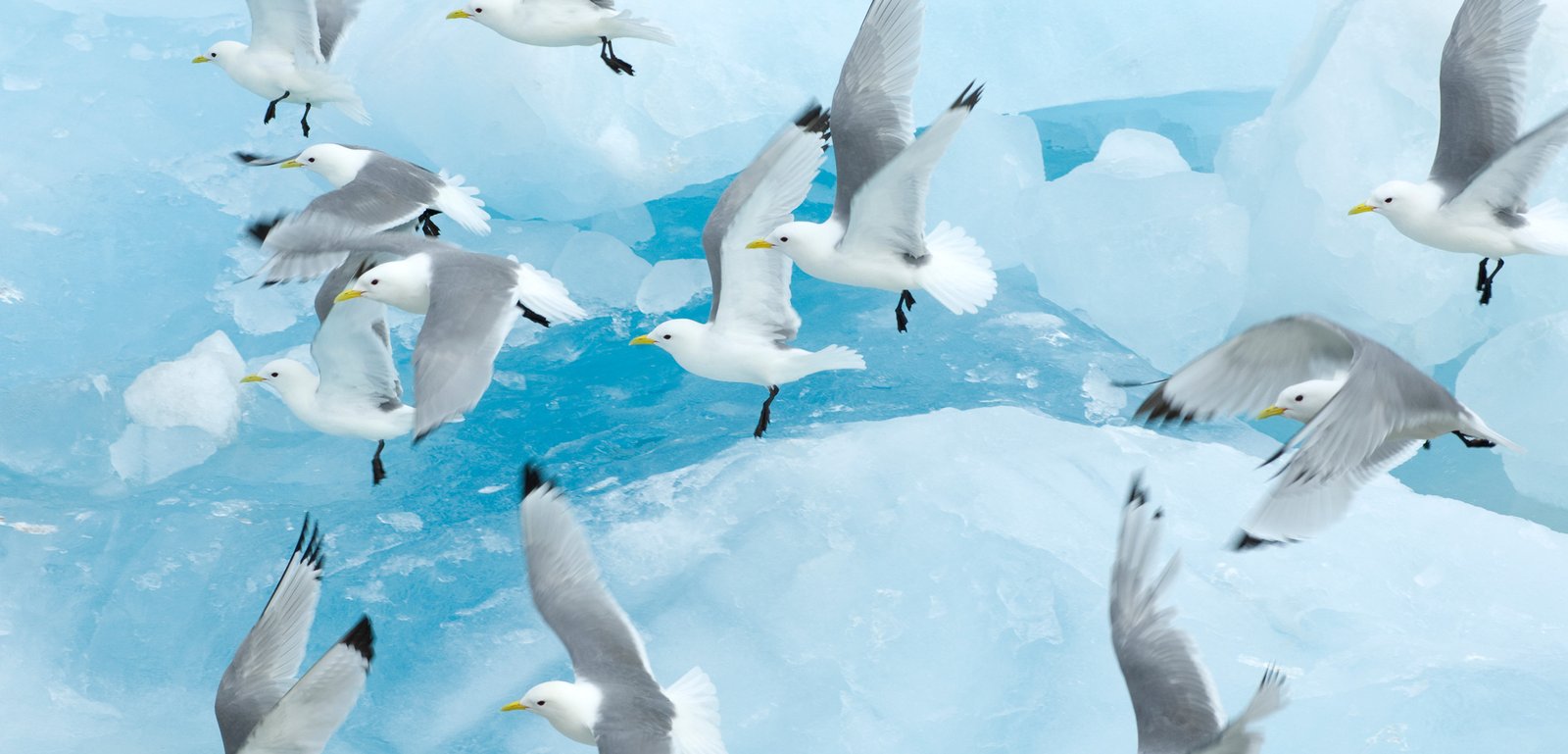
Black-legged kittiwakes aren’t deep divers; they’re surface skimpers, thriving where river outflows meet sea, stirring mudflats into smorgasbords of invertebrates. These petite gulls with chocolate backs nest on precarious ledges, commuting to edge zones where tidal bores flush out capelin and shrimp. North Atlantic surveys show their densities triple at these boundaries, turning marginal mayhem into meals.
On a drizzly Newfoundland trip, I laughed as a kittiwake “stole” my sandwich mid-bite—cheeky, but it highlighted their opportunistic edge. Climate shifts are pushing their prey northward, thinning these hotspots, yet kittiwakes adapt, shifting nests cliffward. Their squeaky calls echo a wry humor: life’s too short not to snatch what’s tossed your way.
Adaptations That Let Seabirds Conquer the Edges
Seabirds didn’t evolve for comfort; they tuned for turmoil. Waterproof feathers trap air for insulation during dives, while supraorbital salt glands flush seawater’s brine—imagine a built-in drip system above their eyes. At margins, keen vision spots prey flashes in turbulent water, and streamlined bodies slice through crosscurrents like knives.
But it’s behavioral tweaks that seal the deal. Guillemots time dives with tidal peaks, riding ebbs for energy savings. Shearwaters use olfactory cues to sniff out upwelled nutrients from afar. These aren’t flashy superpowers; they’re quiet efficiencies honed over millennia. During a stormy Cornish boat trip, I marveled at puffins—distant cousins—bobbing unfazed in swells that tossed us humans like corks. It’s evolution’s poetry: survive the squeeze, savor the spill.
Ecological Roles: Why Margins Matter for Ocean Health
Seabirds aren’t just edge-dwellers; they’re ecosystem engineers. By guano-dumping nutrients from open sea to coastal soils, they fertilize mangroves and kelp forests, boosting biodiversity. In tidal fronts, their predation keeps fish stocks balanced, preventing overgrazing of plankton that fuels the food web.
Picture the Celtic Sea’s margins without them: unchecked herring blooms crashing krill populations, starving whales downstream. Hakai Magazine’s tidal front studies underscore this—seabirds aggregate here, drawing dolphins and tuna, creating biodiversity hotspots. Their droppings even seed microbial loops, recycling carbon in ways we barely grasp. It’s a chain reaction; pull one link, and the edge unravels. I’ve witnessed it in Alaska’s Bering Strait, where murre colonies enrich tundra, turning barren plots into wildflower meadows. Lose the birds, lose the bloom—simple, profound.
Human Impacts: Shadows on the Seabird Stage
Bycatch: The Silent Snare in Fishing Nets
Commercial fishing’s longlines and trawls are margin magnets, luring birds with bait. Globally, 100,000 albatrosses and kin perish yearly, hooked and drowned. In edge zones, where prey—and boats—converge, it’s a bloodbath. NOAA data pins 70% of U.S. bycatch on northern fulmars and gulls, but endangered short-tailed albatrosses suffer most.
I once joined a Patagonia patrol, hauling lines dotted with limp shearwaters. The waste hit hard—not just lives lost, but colonies hollowed. Regulations like bird-scaring lines help, yet enforcement lags. It’s a gut punch: our seafood habit clipping wings at the very edges these birds call home.
Invasive Predators: Unwelcome Guests on Island Edges
Rats, cats, and foxes hitchhike to remote cliffs, devouring eggs and chicks. On marginal islands—those sliver outcrops at tidal zones—seabirds evolved sans predators, making them sitting ducks. Island Conservation reports invasives threaten 163 species, 40% of seabird extinctions.
In the Galápagos, I’ve seen rats strip waved albatross nests bare. Eradication efforts, like New Zealand’s island sweeps, rebound populations 500-fold. But climate-driven storms ferry more invaders ashore. It’s ironic: humans as unwitting couriers, turning safe margins into traps.
Climate Shifts: Eroding the Edge
Warming oceans warp margins—stronger storms flood nests, acidify prey shells, shift fish poleward. Northern Hemisphere breeders like murres saw 50-year reproductive crashes, per Science journal. Sea rise nibbles at low-lying colonies, while heatwaves starve chicks.
A poignant memory: post-2015 “Blob” event, Alaskan beaches littered with emaciated auklets. Their edge refuges turned treacherous. Yet resilience glimmers—protected zones buffer extremes. It’s a race: adapt or erode.
Conservation Wins: Stories from the Brink
Successes shine bright. In Wales, Bangor-led tidal front mapping spurred no-fish zones, boosting guillemot fledging 25%. New Zealand’s rat eradications on 100+ islands lifted petrel numbers skyward. NOAA’s bycatch tech—tori lines, weighted hooks—slashes Pacific deaths 80%.
Closer to home, my volunteer stint at Scotland’s Bass Rock saw kittiwake monitoring yield drone patrols, cutting disturbances. These aren’t Band-Aids; they’re blueprints. Global pacts like the Agreement on the Conservation of Albatrosses and Petrels knit efforts, proving edges can be fortified.
| Conservation Effort | Target Species | Outcome | Location |
|---|---|---|---|
| Rat Eradication | Manx Shearwater | +400% breeding success | Skomer Island, UK |
| Bycatch Mitigation | Short-tailed Albatross | 75% reduction in hooks | Alaska, USA |
| Tidal Front MPAs | Common Guillemot | 30% foraging boost | Celtic Sea |
| Nest Protection Fencing | Black-legged Kittiwake | 50% chick survival | Newfoundland, Canada |
This table spotlights targeted actions—small scales, big ripples.
Pros and Cons of Protecting Marginal Seabird Zones
Pros:
- Biodiversity Surge: Safeguarded edges ripple benefits to fish, seals, and kelp, enhancing whole ecosystems.
- Climate Sentinel: Healthy seabird pops flag ocean woes early, guiding fisheries tweaks.
- Eco-Tourism Draw: Protected spots like Puffin Island lure ethical visitors, funding more guards.
Cons:
- Enforcement Hurdles: Vast margins stretch patrols thin, inviting poachers.
- Costly Tech: Tracking and buoys demand bucks—small NGOs scramble.
- Trade-Offs: Fishing bans irk locals, sparking pushback without buy-in.
Balancing acts, but the scales tip toward thriving fringes.
Comparing Edge Thrivers: Guillemot vs. Shearwater
Guillemots and shearwaters both rule margins, but diverge sharply. Guillemots are sprinters—short, deep dives for sand eels, nesting cliff-top for quick sea access. Shearwaters? Endurance artists, gliding hours over currents for krill, burrowing inland for predator dodge.
| Feature | Common Guillemot | Manx Shearwater |
|---|---|---|
| Foraging Style | Pursuit Dive (up to 100m) | Surface Skim/Glide |
| Prey Preference | Fish (herring, capelin) | Plankton/Krill |
| Migration Range | Regional (Arctic coasts) | Transatlantic (14,000km) |
| Nesting | Exposed ledges | Underground burrows |
| Threat Sensitivity | High (storms, oil) | Medium (lights, rats) |
Guillemots edge in raw power, shearwaters in wanderlust—both marginal maestros, their duet sustains the sea.
People Also Ask
Why do seabirds prefer tidal fronts?
Tidal fronts mix nutrient-rich deep water with surface layers, concentrating prey like fish and plankton in accessible spots. This “best of both worlds” boosts foraging success by 20-30%, per Bangor University studies—it’s efficient hunting in an unpredictable ocean.
How do marginal habitats benefit seabird populations?
These edges provide seasonal booms in food, supporting breeding colonies. They act as refueling stations during migrations, with guano enriching coastal soils for better nest sites. Without them, populations like kittiwakes drop 40%, as seen in North Sea shifts.
What threats are increasing at coastal seabird edges?
Rising sea levels flood low nests, while intensified fishing overlaps boost bycatch. Invasives like rats exploit storm-tossed debris to invade islands. Climate models predict 50% more edge erosion by 2050, hitting burrow-nesters hardest.
Where can I observe seabirds thriving in marginal zones?
Prime spots include Pembrokeshire Coast (UK) for guillemots, Skomer Island for shearwaters, or Newfoundland’s Witless Bay for kittiwakes. Book eco-tours via RSPB.org or BirdLife International—ethical viewing sustains the show.
How does climate change affect seabird edge habitats?
Warmer currents disrupt upwellings, scattering prey and starving chicks. Storms intensify, eroding cliffs; a 2015 Pacific heatwave killed 1 million murres. Adaptation lags, but protected margins buy time.
Best Tools for Monitoring Marginal Seabird Habitats
For armchair auditors or field pros, gear up right. Informational intent met: GPS trackers like Movebank’s free platform log flights, revealing edge patterns (movebank.org). Navigational: eBird app pinpoints hot zones, crowdsourcing sightings for real-time maps.
Transactional picks? The best binoculars for edge-spotting: Vortex Diamondback HD 10×42—waterproof, sharp in fog ($200 on Amazon). Drones like DJI Mini 3 for non-intrusive colony counts, per NOAA guidelines. Software-wise, QGIS (free) models tidal fronts from public data. These tools democratize conservation—grab ’em, track ’em, protect ’em.
FAQ
What defines a “marginal” habitat for seabirds?
Marginal habitats are ocean boundaries like tidal fronts or coastal upwellings, where mixed and stratified waters meet. They’re nutrient-rich but volatile, ideal for prey aggregation. Unlike stable open seas, these edges demand quick adaptations, fostering specialized feeders like guillemots.
How can individuals help conserve seabird edge zones?
Join citizen science via eBird.org for sightings, or support orgs like Audubon with donations. Reduce plastic use—seabirds ingest 90% of floating trash—and advocate for bycatch-free fishing. Locally, beach cleanups shield nests; every feather counts.
Are there success stories of seabird recovery in marginal areas?
Absolutely—Skomer Island’s rat removal tripled Manx shearwater chicks since 2010. In Alaska, MPA buffers around tidal fronts cut murre bycatch 60%. These wins show targeted action works, blending tech and community for edge revival.
Why are seabirds key indicators of marginal ecosystem health?
As top predators, they mirror prey shifts from pollution or warming. Declines signal trouble downstream—e.g., kittiwake crashes flag overfished herring. Tracking them via NOAA Fisheries tools turns birds into barometers, guiding holistic fixes.
What’s the future for seabirds in changing marginal habitats?
Optimistic with effort: MPAs could safeguard 30% of oceans by 2030, per CBD goals. But without curbing emissions, 50% of species face decline. Hybrid approaches—AI tracking plus indigenous knowledge—promise resilient edges. It’s doable; let’s wing it.
As the sun dips behind those Pembrokeshire cliffs, guillemots vanish into the swell one last time. Their world teeters, but so does ours—interwoven at the margin. By championing these edge artists, we don’t just save birds; we secure the wild pulse that feeds our souls. Next hike, pack patience and wonder. The sea’s story waits, wings and all.