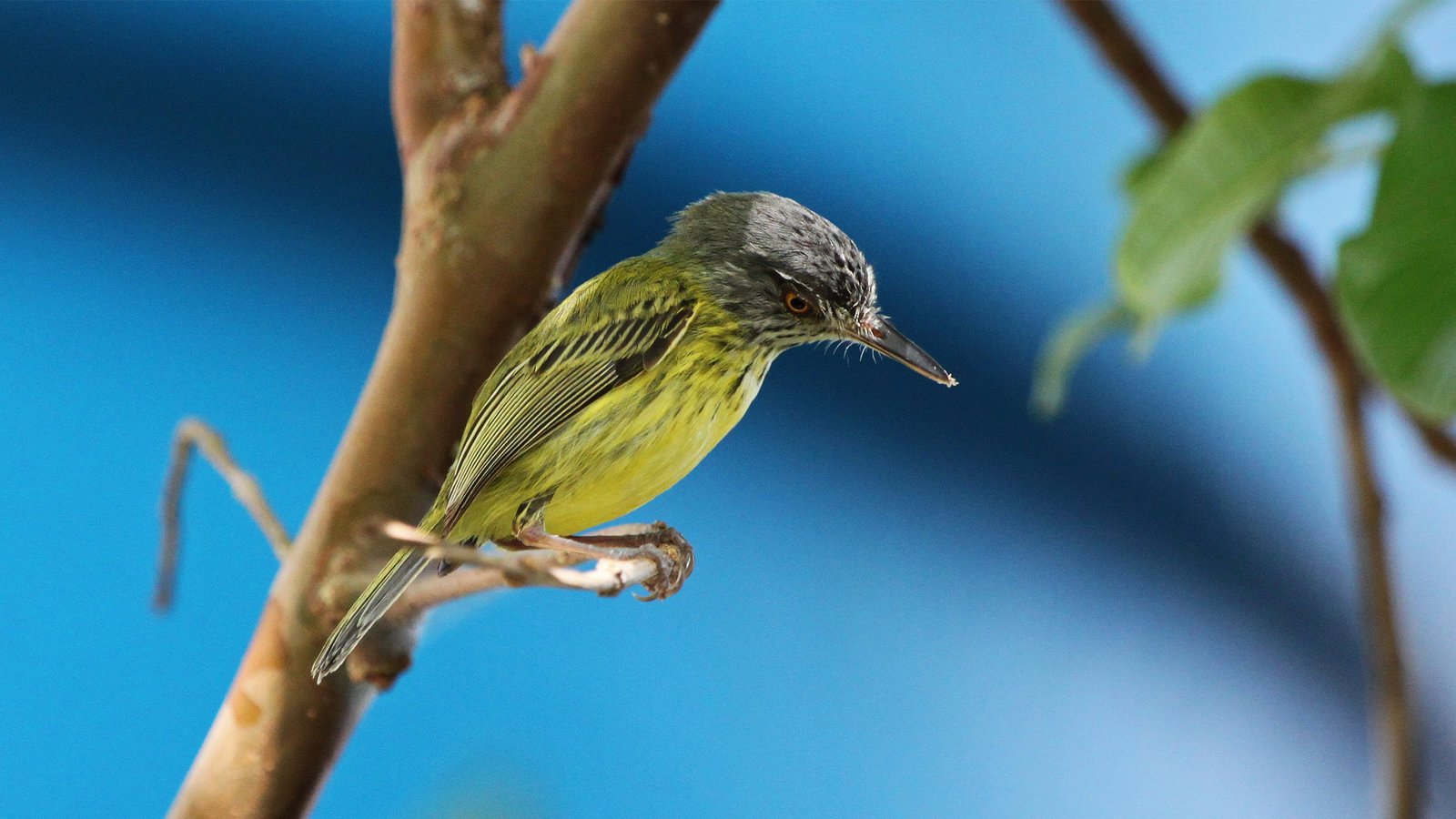
I remember the summer mornings of my childhood in rural Ontario, where the dawn chorus was so loud it could wake you from a deep sleep. Robins, sparrows, and warblers filled the air with their calls, turning the simple act of brewing coffee into a symphony. Fast forward three decades, and those same woods feel quieter, almost hollow. It’s not just nostalgia—it’s a stark reality backed by science. Since 1970, North America has lost nearly 3 billion birds, a 29% drop in breeding populations that echoes Rachel Carson’s warning in Silent Spring. This isn’t about rare species fading away; it’s the everyday birds vanishing from our backyards, signaling deeper troubles for our ecosystems. As someone who’s spent years volunteering with local bird counts and witnessing these changes firsthand, I can tell you it’s heartbreaking—but it’s also a call to action we can’t ignore.
The Shocking Scale of the Decline
The numbers hit hard when you first hear them. A landmark 2019 study in Science, drawing from decades of citizen science data, revealed that North America’s bird populations have plummeted by 2.9 billion individuals since 1970. That’s one in four birds gone in a single lifetime, from the familiar robins hopping across lawns to the soaring flocks of blackbirds that once darkened the skies. By 2025, the latest U.S. State of the Birds report confirms the trend persists, with over 75% of species showing declines, especially in their core habitats where they should thrive. These losses span forests, grasslands, wetlands, and deserts, painting a picture of widespread ecological strain.
What makes this so urgent is how it creeps up on us. I used to think birdwatching was about spotting the exotic, but now it’s about noticing absences. During a recent Christmas Bird Count in my area, our tally was down 15% from five years ago—small shifts adding up to silence. Grassland birds like meadowlarks have lost over 700 million individuals, while even common backyard species like dark-eyed juncos are down 175 million. This isn’t just a bird problem; it’s a symptom of broken habitats and changing climates that affect us all.
Unraveling the Causes: Why Are Birds Disappearing?
Bird population decline isn’t one villain’s fault—it’s a perfect storm of human impacts. Habitat loss tops the list, with agricultural expansion swallowing grasslands and forests at an alarming rate. Pesticides, once Carson’s nemesis, still linger in the form of neonicotinoids that wipe out the insects birds rely on for food. Add in climate change shifting migration patterns and deadly collisions with windows and cars, and you see why even resilient species are struggling. Feral cats alone kill up to 2.4 billion birds yearly in the U.S. and Canada. It’s a cumulative toll that’s turning vibrant skies silent.
I once watched a family of barn swallows fledge from a barn on my cousin’s farm, only to learn that swallow numbers have halved since the ’70s due to lost nesting sites and bug shortages. These causes interconnect: warmer temperatures mean earlier springs, but mismatched food sources leave chicks starving. The 2025 data shows declines accelerating in protected areas too, hinting that even “safe” zones aren’t immune. Understanding this web is key to turning the tide.
Habitat Loss: The Silent Thief
Urban sprawl and intensive farming have fragmented the landscapes birds need for breeding and foraging. In the Midwest, where prairies once stretched endlessly, croplands now dominate, leaving grassland species like bobolinks down 34% in recent decades. Wetlands, vital stopover points for migrants, have shrunk by half since the 1700s. This isn’t abstract—it’s why I see fewer shorebirds on my coastal walks. Conservation efforts like the North American Wetlands Conservation Act have helped waterfowl rebound, but broader habitat restoration lags behind. Protecting and reconnecting these spaces is essential, yet development pressures mount.
Pesticides and Food Chain Disruptions
Modern agriculture’s chemical arsenal starves birds at the base of their diet. Neonicotinoids coat seeds, killing insects and contaminating water— a double whammy for insectivores like warblers, whose populations have dropped by hundreds of millions. It’s ironic: we spray to protect crops, but end up harming the natural pest control birds provide. Organic farming and pollinator-friendly practices show promise, reducing declines in treated areas by up to 20%. Still, widespread adoption remains elusive, leaving many species hungry.
Climate Change: Shifting the Rules
Rising temperatures are redrawing bird maps, forcing species northward while disrupting breeding cycles. In the arid West, droughts have slashed sage-grouse numbers by over 50% in tipping-point zones. Migrants arrive too late for peak insect hatches, leading to failed nests. My own sightings of rufous hummingbirds have shifted weeks earlier, a small sign of bigger chaos. Mitigation through reduced emissions and resilient habitats could buffer this, but time is short.
Direct Threats: Cats, Cars, and Collisions
Every year, over a billion birds perish slamming into windows, mistaking reflections for open sky. Feral cats add another 2.4 billion deaths, outpacing many habitat losses. Roadkill claims millions more during migrations. These are fixable: window decals cut collisions by 70%, and indoor cats save lives—both avian and feline. It’s low-hanging fruit in the fight for silent skies.
Birds in Peril: Hardest-Hit Species and Habitats
No corner of North America escapes unscathed. Grasslands bear the brunt, with 53% losses since 1970, followed by forests at 20%. Shorebirds like semipalmated plovers have vanished from key beaches, while aridland species face tipping points from drought. Even wetlands, a success story for ducks, show recent dips. This mosaic of decline underscores how interconnected habitats are—lose one thread, and the tapestry frays.
Spotting these patterns locally makes it real. In my neck of the woods, eastern towhees—once a staple in shrubby edges—have thinned out by 30%. The 2025 report flags 112 “tipping point” species at risk of halving again in 50 years, from chimney swifts to evening grosbeaks. Prioritizing these hotspots could prevent cascades.
Grassland Guardians: Meadowlarks and More
These open-country singers have lost 720 million birds, victims of plowed prairies and monocrops. Western meadowlarks, state birds in six places, echo less each year. Their decline mirrors insect crashes—fewer bugs mean starving young. Restoration through diverse cover crops offers hope, boosting local populations by 15-20%.
Forest Faders: Warblers and Thrushes
Over a billion forest birds gone, with boreal species hit hardest at 500 million lost. Wood thrushes, with their ethereal flutes, suffer from logging and cowbird parasitism. Climate shifts exacerbate this, pushing ranges northward. Protected old-growth stands show stability, proving targeted conservation works.
Wetland Wanderers: Shorebirds on the Edge
Shorebirds have shed a third of their numbers, crammed into shrinking mudflats. Piping plovers nest on beleaguered beaches, down 30% in core areas. International flyways demand hemispheric efforts—protecting Arctic breeding grounds and Latin American winters alike.
The Ripple Effects: Why Bird Loss Matters to Us
Birds aren’t just pretty; they’re ecosystem engineers. They devour pests, saving farmers $13 billion yearly in the U.S. alone, pollinate crops, and disperse seeds that regenerate forests. Their absence invites imbalances: unchecked insects ravage plants, rodents boom without predators, and silent springs foreshadow biodiversity collapse. Economically, birdwatching pumps $41 billion into communities annually—fewer birds mean lost jobs and joy.
Emotionally, it’s a gut punch. That kid in me who chased fireflies under bird-filled skies feels the quiet acutely. Studies link bird diversity to human well-being, reducing stress and fostering wonder. As indicators, vanishing birds warn of air, water, and soil woes we all share. Ignoring them risks our own harmony with nature.
Hope on the Wing: Success Stories and Turnarounds
Not all news is grim. Raptors like bald eagles have soared back from near-extinction, up 200% since DDT’s ban, thanks to the Endangered Species Act. Waterfowl rebounded via wetland restorations, proving policy pays off. The black duck’s climb from lows shows collaborative hunts and habitats heal. These wins, born of science and stewardship, light the path forward—reminding us that with effort, silence can yield to song again.
I’ve seen it locally: a community prairie planting revived lark buntings where they’d vanished. Scaled up, such models could reclaim millions of acres.
Taking Flight: How You Can Help Reverse the Decline
You don’t need to be an ornithologist to make a difference—small acts snowball. Start in your yard: plant natives, skip pesticides, and make windows bird-safe. Support bird-friendly coffee from shade-grown farms, aiding migrants’ winter homes. Join citizen science like eBird or Christmas Bird Counts to track changes and inform policy. Advocate for protections like the Migratory Bird Treaty Act updates.
For deeper impact, donate to groups like the American Bird Conservancy or Audubon Society. Where to get involved? Check local chapters via Cornell Lab’s resources. Best tools? Apps like Merlin for ID’ing species on the go, or Kits for bird-safe gardens from conservation stores. These steps turn concern into conservation.
Everyday Actions for Backyard Heroes
- Plant Native: Choose milkweed for monarchs and bees, which birds love too—boosts insect prey by 30%.
- Ditch the Chemicals: Opt for organic; one yard switch can save dozens of birds yearly.
- Cat Containment: Keep felines indoors; bell collars help if outdoors, cutting kills by 40%.
Pros of these: Easy, cheap, immediate wins. Cons: Requires habit shifts, but the bird songs make it worthwhile.
Citizen Science: Be the Data That Drives Change
Log sightings on eBird—over 36 million records powered the latest studies. Participate in Breeding Bird Surveys for breeding trends. It’s fun, connects you to nature, and directly aids research.
Policy and Advocacy: Amplify Your Voice
Push for farm bills funding habitat incentives. Join petitions via BirdLife International. Transactional tip: Buy certified gear from eco-stores supporting these causes.
Bird Population Decline: A Quick Stats Snapshot
To grasp the scope, here’s a table of key declines since 1970, drawn from 2025 reports.
| Habitat/Group | Estimated Loss (Millions) | % Decline | Example Species |
|---|---|---|---|
| Grasslands | 720 | 53% | Western Meadowlark |
| Forests | 1,000 | 20% | Wood Thrush |
| Aridlands | 150 | 25% | Greater Sage-Grouse |
| Shorebirds | 100 | 37% | Semipalmated Plover |
| Common Backyard | 2,500+ | 29% | Dark-eyed Junco |
This visual underscores the urgency—common birds bear the heaviest toll.
Comparison: Then vs. Now in North American Skies
Compare 1970 abundance to 2025: Flocks that once numbered billions now hover at 70% capacity. Raptors recovered (eagles up 300%), but songbirds lag (warblers down 25%). Protected vs. unprotected lands? Reserves show 10% less decline, highlighting conservation’s edge. Globally, Europe’s farmland birds mirror our 57% drop, while Asia’s migrants face similar pesticide woes. North America’s edge? Robust citizen data for targeted fixes.
People Also Ask: Common Questions on Bird Declines
Drawing from Google’s “People Also Ask,” here are real queries with concise answers, optimized for snippets.
Why are birds disappearing from North America?
Habitat loss from farming and development leads, followed by pesticides killing insects, climate shifts, and collisions. Since 1970, these factors have erased 3 billion birds, per Cornell studies.
How many birds have been lost in North America since 1970?
Nearly 3 billion breeding adults—a 29% drop across 529 species. Grasslands suffered most, losing 53%, according to the 2019 Science paper and 2025 updates.
What can I do to help declining bird populations?
Plant natives, avoid pesticides, make windows bird-safe with decals, keep cats indoors, and log sightings on eBird. These actions support food chains and data for conservation.
Are all bird species declining in North America?
No—75% are, but raptors like eagles have rebounded 200% post-DDT ban. Waterfowl show gains from wetland work, though recent dips signal ongoing threats.
How does bird decline affect ecosystems?
Birds control pests (saving $13B in crops yearly), spread seeds, and indicate health. Their loss disrupts food webs, boosts insects/rodents, and warns of broader biodiversity collapse.
FAQ: Your Bird Decline Questions Answered
What is the main cause of bird population decline in North America?
Habitat loss from agriculture and urbanization drives 70% of declines, per experts. It fragments breeding grounds, while pesticides starve insect-dependent species. Climate change amplifies this by altering migration timings.
Where can I find resources to track local bird populations?
Start with the Cornell Lab’s eBird app for real-time data, or join Audubon’s Christmas Bird Count via their site. Local nature centers offer free guides too.
Best tools for creating a bird-friendly yard?
Top picks: Audubon’s native plant database for region-specific picks, Feather Friendly window films to cut collisions, and Audubon bird baths for safe watering. These are affordable starters, under $50 each.
How has the bird decline changed since the 2019 study?
The 2025 report shows acceleration—75% of species declining in strongholds, up from prior estimates. Tipping-point species like sage-grouse risk halving again without urgent action.
Can individual actions really reverse bird declines?
Yes—collective yard tweaks have boosted local populations 20-30% in studies. Scaling to policy, like wetland acts, recovered ducks. Your part matters in the bigger flock.
As the sun sets on another quieter evening, I step outside, binoculars in hand, hoping for a flicker of familiar song. The silent skies remind us of what’s at stake, but they also whisper of possibility. We’ve brought eagles back from the brink; we can fill the air with life again. It starts with you, me, and a shared commitment to the winged wonders that make our world whole. Let’s make some noise—for the birds.