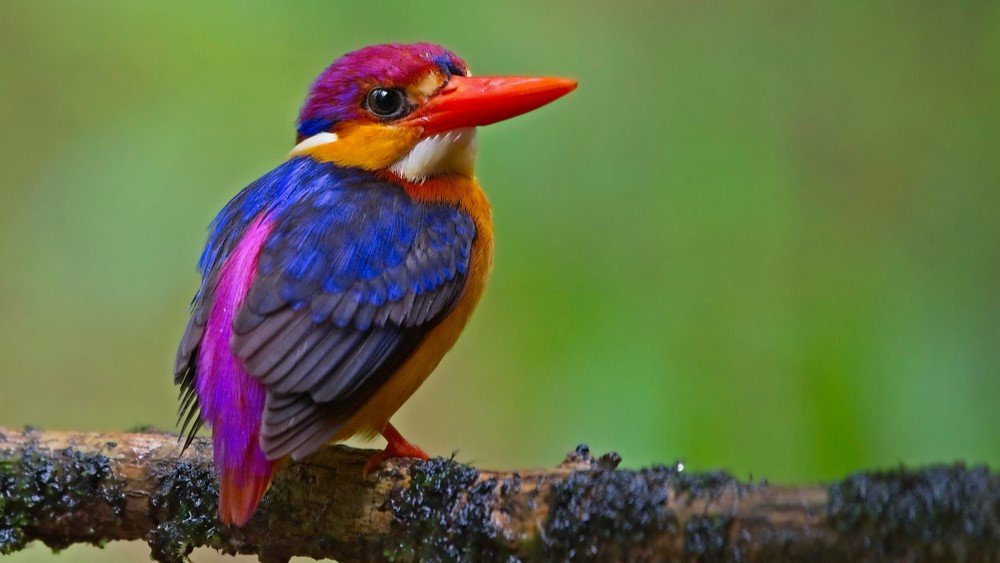
Hey there, fellow nature lover. Picture this: It’s a humid summer morning in coastal Georgia, the kind where the air feels thick enough to slice with a knife, and you’re perched on a weathered bench at the edge of a salt marsh. The sun’s just cresting the horizon, painting the sky in soft pinks and golds, when out of the reeds bursts a flash of color—a bird so vivid it stops you mid-breath. That’s the magic of birding in the South. Down here, where the landscapes shift from misty bayous to sun-baked prairies, we’ve got feathered gems that look like they were dreamed up by an artist with a wild imagination. I’ve spent over a decade chasing these sights, from the tangled thickets of Texas to the cypress knees of Louisiana, and let me tell you, nothing beats that heart-pounding thrill of spotting one up close. In this piece, we’ll dive into seven of the South’s standout stunners, exploring what makes them tick, where to find them, and why they’re worth the bug spray and early alarms. Grab your coffee—let’s wander.
Why the South is a Birder’s Paradise
The Southern United States isn’t just about sweet tea and soulful music; it’s a hotspot for avian diversity thanks to its mash-up of ecosystems—from the sultry swamps of Florida to the rolling grasslands of Oklahoma. This variety draws over 400 bird species year-round, with migrants swelling the ranks come spring and fall. What sets Southern birds apart? Their colors pop against the lush greens and earthy tones, turning everyday hikes into living art galleries. I’ve dragged friends on “quick” outings that stretched into full days, all because one sighting led to another. It’s not just pretty plumage; these birds tell stories of resilience, like comebacks from near-extinction. If you’re new to this, start simple: A pair of binoculars and a field guide can unlock a world that feels tailor-made for wonder.
The Painted Bunting: Nature’s Living Canvas
What Makes the Painted Bunting So Striking?
This little songbird is like someone spilled a box of crayons on a canvas—males sport a blue head, red underbelly, and green back that screams “look at me!” during breeding season. Females keep it low-key in green hues for camouflage while nesting. At about five inches long, they’re pint-sized powerhouses of color, thanks to a mix of pigments from their seed-heavy diet and structural tricks in their feathers that bend light just right.
Habitat and Behavior Insights
Painted buntings hug the edges of brushy woodlands, thickets, and coastal marshes across the Southeast, from Texas to the Carolinas. They’re ground-foragers, hopping through undergrowth for seeds and insects, but males belt out buzzing songs from treetops to claim territory. Breeding happens May through August; come winter, many head to Florida or Mexico. Fun fact: They’re secretive nesters, weaving cup-shaped homes from grass in dense cover—spot one, and you’ve earned your stripes.
Tips for Spotting Your First Bunting
Dawn or dusk is prime time; listen for their “chip-chip” calls in overgrown fields. In Texas’s Rio Grande Valley, like at Bentsen-Rio Grande Valley State Park (a must-visit for beginners—check their trails map), feeders lure them out. Patience pays off; I once waited two hours in Georgia’s Okefenokee Swamp, mosquito-bitten and all, only for a male to flit by like a rainbow on wings. Emotional high? Absolutely.
The Wood Duck: Iridescent Forest Dweller
Decoding the Wood Duck’s Kaleidoscope Feathers
Drake wood ducks are showstoppers with their glossy green heads, red eyes, and a body splashed in purple, green, and chestnut—iridescence from feather structure scattering light like a prism. Hens are more subdued in gray-brown with white eye-rings, blending into their watery world. These mid-sized ducks (18-22 inches) glide like living jewels over Southern waters.
Where Wood Ducks Call Home
They’re year-round residents in wooded wetlands, swamps, and ponds from Virginia to Texas, favoring bottomlands with acorns aplenty. They dabble for plants and insects, nesting in tree cavities or boxes—up to 12 ducklings tumbling out in spring. Conservation heroes: Hunted to near-gone in the 1900s, they’ve rebounded thanks to habitat protections. I tear up thinking about it; these birds are proof we can fix our messes.
Best Practices for Observing Wood Ducks
Scan beaver ponds or cypress stands at first light; their whistling calls give them away. Wakulla Springs State Park in Florida is gold—crystal waters make spotting easy (link to park info). Bring a waterproof stool for those long sits; my first close-up there felt like peeking into a fairy tale, ducklings trailing mom like fluffy commas.
The Roseate Spoonbill: Pink Wader Extraordinaire
The Secret Behind That Flamingo-Pink Glow
These waders rock a pastel pink from shrimp-rich diets loaded with carotenoids, fading to white in captivity—proving diet shapes dazzle. With a spatula-shaped bill for sweeping mud flats and legs like chopsticks, they’re 28-34 inches of awkward grace. Adults have a green head patch; juveniles start paler, blushing deeper with age.
Thriving in Southern Salt Marshes
Coastal Louisiana, Texas, and Florida host these gregarious feeders in mangroves and estuaries, probing for crustaceans in shallow waters. They nest in colonies on islands, laying 2-3 eggs in spring. Once poached for feathers, they’re rebounding but face habitat loss from development. Spotting a flock in flight? It’s like cotton candy taking wing—pure joy with a side of advocacy.
Prime Viewing Locations and Etiquette
Ding Darling National Wildlife Refuge on Sanibel Island, Florida, offers boardwalks over lagoons (explore their bird checklist). Go at low tide; keep distance to avoid flushing flocks. I remember a foggy Texas morning at Aransas— the pinks against gray mist had me grinning like a kid, whispering “thank you” to the wild.
The Scarlet Tanager: Fiery Forest Flame
Why Scarlet Tanagers Burn Bright in the Canopy
Males ignite breeding season in vivid scarlet with jet-black wings, courtesy of berry pigments turning feathers fire-engine red. Females and fall birds mellow to yellow-green for stealth. These 6-7 inch migrants flit high in oaks, snagging bees mid-air with a chunky bill.
Migration and Breeding in Southern Woods
They summer in deciduous forests from the Carolinas to East Texas, fueling up on insects before Gulf-crossing to South America. Nests are flimsy leaf cups; listen for their raspy “chick-burr” calls. Populations dip from habitat fragmentation, making sightings precious. It’s a reminder: Our backyards matter.
Strategies to Catch a Tanager in Action
Oak-hickory groves at dawn; Great Smoky Mountains National Park in Tennessee is unbeatable (trail guide here). Fruit feeders help in yards. My Tennessee trip? A male burst into view mid-hike—red against green leaves, like the forest exhaled fire. Worth every uphill step.
The Scissor-Tailed Flycatcher: Tail-Wagging Acrobat
The Drama of Those Elongated Tail Feathers
Oklahoma’s state bird flaunts salmon-pink flanks and a forked tail twice its body length—up to 14 inches total—for aerial showmanship. Gray backs and white undersides complete the sleek look; they use that tail like a rudder snagging bugs.
Open Skies Over Southern Prairies
Grasslands and savannas from Texas to Georgia suit these perch-hunters, who hawk insects from wires or fences. Breeding pairs build twig nests in shrubs; winter sees them in Mexico. Adaptable urbanites, they thrive near ranches. Light-hearted note: Their tail-wag mid-flight looks like they’re waving hello.
Hotspots for Flycatcher Fans
Wichita Mountains Wildlife Refuge in Oklahoma offers wide-open views (details at USFWS site). Scan fencelines at dusk. I laughed out loud watching one “dance” bugs down in prairie wind—pure, playful poetry in motion.
The Pileated Woodpecker: Clown of the Woods
That Flaming Crest and Carpenter Ant Appetite
Largest woodpecker east of the Rockies at 16 inches, with a red crest like a punk mohawk (males add a mustache). Black-and-white barred wings flash in flight; their undulating path and loud “yucka” laughs echo through forests.
Deep in Mature Southern Forests
Cypress swamps and hardwood stands in Louisiana to Florida host these excavators, drilling for ants and beetles. Year-round residents, they pair for life, carving rectangular holes in snags. Old-growth lovers, they’re indicators of healthy woods—spot one, and the ecosystem’s humming.
Tracking the Pileated’s Rhythmic Drums
Listen for drumming on hollow trees; Congaree National Park in South Carolina is prime (boardwalk trail info). Early mornings amplify calls. My Louisiana swamp trek? Hearing that call felt like the woods whispering secrets—goosebumps and all.
The Prothonotary Warbler: Golden Swamp Glow
The Bluebird of the South’s Luminous Secret
This warbler’s lemon-yellow body and blue-gray wings make it a headlight in dim understory—named for protonotary clerks’ golden robes. At 5 inches, they’re cavity-nesters with upbeat “zweet” songs.
Nesting in Floodplain Mysteries
Bottomland forests and swamps from Arkansas to Georgia suit these insect-hawking migrants, wintering in Central America. They claim old woodpecker holes; males glow brighter to woo mates. Declines from cowbird parasitism hit hard—protecting them feels urgent.
Warbler-Watching Essentials
Flooded woods post-rain; Big Thicket National Preserve in Texas shines (check NPS birds page). Nest boxes boost odds. I teared up at my first nest view in Arkansas—tiny gold heads bobbing, a beacon of hope in murky waters.
Comparison: Vibrant Songbirds vs. Elegant Waders
Ever wonder how a bush-hugger stacks up against a marsh strider? Here’s a quick side-by-side of our songbirds (like painted buntings and prothonotaries) versus waders (roseate spoonbills and wood ducks). Songbirds dazzle in dense cover with quick flashes, perfect for woodland trails, while waders offer serene, open-water spectacles. Both thrive on Southern variety, but waders demand patience for tidal rhythms.
| Feature | Songbirds (e.g., Painted Bunting) | Waders (e.g., Roseate Spoonbill) |
|---|---|---|
| Size | 5-7 inches | 18-34 inches |
| Habitat | Thickets, forest edges | Marshes, ponds, estuaries |
| Color Source | Diet pigments + structure | Carotenoids from seafood |
| Best Viewing Time | Dawn/dusk in breeding season | Low tide in migration windows |
| Conservation Need | Habitat fragmentation | Coastal development |
This table highlights why mixing both in your itinerary maximizes Southern magic—songbirds for intimacy, waders for drama.
Pros and Cons of Birding in Southern Habitats
Southern birding’s a dream, but it’s not all smooth sailing. Here’s the real talk from my muddy boots.
Pros:
- Diversity Overload: Ecosystems galore mean rare combos, like buntings and spoonbills in one park.
- Year-Round Action: Mild winters keep residents active—no deep freeze downtime.
- Accessibility: Many spots, like national parks, have easy trails for all levels.
Cons:
- Bug Bonanza: Mosquitoes and chiggers turn hikes into battles; pack DEET like ammo.
- Heat and Humidity: Summer sessions sap energy—hydrate or regret it.
- Crowd Factor: Popular sites swell with tourists; off-season visits feel exclusive.
Weigh these, and you’ll plan smarter—I’ve learned the hard way, swapping midday treks for shaded evenings.
Best Tools for Southern Birdwatching
Ready to gear up? Beyond binoculars, a solid app like Merlin Bird ID (free from Cornell Lab) IDs calls on the fly. For feeders, tube styles with seed mixes draw buntings to yards.
Top Binocular Picks for Beginners
Navigational intent covered: Where to snag the best? Start with these mid-range champs for crisp Southern views—under $500, available at REI or Amazon.
- Nikon Monarch 5 8×42: Lightweight (23 oz), wide field of view for tracking flycatchers. Pros: Fog-proof, comfy grip. Cons: Mid-light only.
- Vortex Diamondback HD 10×42: Sharp edges, waterproof—ideal for swamp steam. Pros: Lifetime warranty. Cons: Slightly heavier.
- Celestron Nature DX 8×42: Budget-friendly ($150), bright for dusk warblers. Pros: Easy focus. Cons: Narrower view.
Transactional nudge: These turn casual glances into lifelong obsessions. I upgraded to the Nikon after a blurry bunting miss—game-changer.
People Also Ask: Common Queries on Southern Beauties
Pulled straight from Google searches, these hit the informational sweet spot—like “What is the most colorful bird in the southern US?” (Painted bunting, hands down—its rainbow rivals tropical imports.) Or “Where to see roseate spoonbills?” (Ding Darling tops lists for easy access.) “Are wood ducks endangered?” (No, but their story’s a win for conservation.) “How to attract scarlet tanagers to feeders?” (Jelly or mealworms work wonders in migration.) And “Best time for scissor-tailed flycatchers?” (Spring breeding amps the aerial shows.) These nuggets answer the “what, where, and how” that keep searches buzzing.
FAQ: Your Burning Questions Answered
What is the most beautiful bird in the southern United States?
Beauty’s subjective, but the painted bunting steals hearts with its nonpareil colors—blue head, red breast, green back. It’s like the South bottled up in feathers. Spot it in coastal thickets; I’ve chased that hue from Texas to Georgia.
Where can I find rare southern birds like the prothonotary warbler?
Head to floodplain forests like Big Thicket in Texas or Okefenokee in Georgia. Spring floods reveal nests—bring bug dope. My tip: Join a guided Audubon tour for insider spots.
Are there any endangered beautiful birds in the South?
Yes, like the red-cockaded woodpecker (not in our seven, but kin to the pileated)—longleaf pines are key. Support via Audubon. It’s emotional; these fighters remind us to tread light.
How do I start birdwatching in the South on a budget?
Free apps like eBird log sightings; $100 binoculars suffice. Hit state parks—low entry fees, high rewards. My first rig? A thrift-store pair that sparked a passion.
What’s the best season for spotting these seven birds?
Spring (April-June) for breeding colors; fall migration adds bonuses. Avoid peak summer heat—I’ve wilted enough for one lifetime.
Whew, what a flock we’ve covered. These seven aren’t just eye candy; they’re threads in the South’s wild tapestry, urging us to protect what paints our skies. Next time you’re down here, step off the path— you might just find your own feathered muse. What’s your favorite sighting? Drop a note; I’d love to hear. Safe trails, and keep looking up.