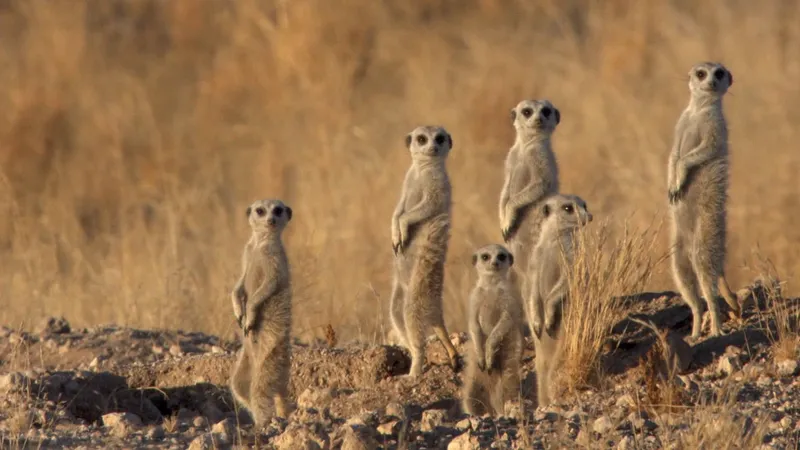
Picture this: a tiny, fuzzy creature pops up from the dusty Kalahari sands, eyes wide and alert, scanning the horizon like a pint-sized bodyguard. That’s the meerkat – star of viral videos, sidekick in The Lion King, and the unofficial mascot of adorable wildlife. I remember my first encounter with one during a family trip to the San Diego Zoo back in the ’90s. We kids pressed our faces against the glass, giggling as it struck that classic upright pose, tail straight as a ruler. “It’s like they’re saluting us!” my little brother shouted. Pure magic. But here’s the twist that still gives me chills: beneath that endearing exterior lurks a killer instinct sharper than a scorpion’s sting. A landmark study crowned the meerkat (Suricata suricatta) the deadliest mammal on Earth when it comes to offing its own kind. Nearly one in five meets a violent end at the paws of a fellow meerkat. Yeah, you read that right – these cuties rack up a body count that’d make a mob boss blush. What drives such ferocity in a creature smaller than a house cat? Let’s dig into the dirt of meerkat life, where survival means standing tall, but trust? That’s a luxury few can afford.
This isn’t just sensationalism; it’s science-backed reality from evolutionary biologists who pored over millions of animal records. As someone who’s spent years volunteering at wildlife sanctuaries – handing out enrichment toys to stressed-out critters and learning their quirks firsthand – I’ve seen how thin the line is between cooperation and conflict in the animal world. Meerkats embody that tension perfectly. They’re masters of teamwork, yet their societies simmer with betrayal, eviction, and outright warfare. Stick around as we unpack the why, the how, and the heartbreaking what-ifs of these desert dynamos. By the end, you’ll never look at a meerkat meme the same way again – and maybe you’ll even root for the underdog (or under-meerkat) a little harder.
What Makes Meerkats Tick? A Quick Profile
Meerkats aren’t your average squirrels scurrying for nuts; they’re mongoose cousins thriving in southern Africa’s harshest corners. Weighing in at about two pounds with sleek, grizzled fur that blends into the scrub, they burrow in complex underground networks that can stretch like mini-subways. I’ve always been fascinated by their resilience – during a scorching Namibian safari years ago, I watched a mob emerge at dawn, shaking off the night’s chill like pros. These diurnal diggers spend their days foraging and frolicking, but every move is calculated. No wonder they’re icons of vigilance.
Habitat and Daily Life
From the Kalahari’s red dunes to Namibia’s arid plains, meerkats claim open grasslands where predators lurk around every thornbush. They rotate through burrow systems to avoid fleas and foes, emerging in synchronized waves for sunbaths that warm their bellies. Life’s a relay race: one stands sentry while others hunt, swapping shifts like clockwork. It’s communal living at its finest – until it’s not.
Diet and Hunting
Insects top the menu – beetles, scorpions, spiders – dug up with those razor claws. A meerkat can devour its body weight daily, teaching pups to flip venomous prey like pros. Occasionally, they’ll snag a lizard or bird egg for protein kicks. No wonder they’re lean machines; foraging burns calories faster than a CrossFit session. But in lean times, competition turns siblings into snacks.
The Shocking Revelation: Meerkats Top the Murder Charts
It started with a hunch from researchers tired of humanity hogging the “most violent” spotlight. In 2016, a team led by José María Gómez crunched data from over 1,000 mammal species, tallying four million deaths. The verdict? Meerkats clock in at a staggering 19.8% homicide rate among adults – way above humans’ historical 2%. I first stumbled on this while binge-reading ethology journals during a rainy lockdown week. Mind blown. These fluffballs out-murder lions and wolves, proving cuteness is no shield against savagery.
The 2016 Study That Changed Everything
Published in Nature, the Gómez et al. analysis spanned fossils, field notes, and vet records, revealing violence as an evolutionary wildcard. Meerkats didn’t just edge out the pack; they lapped it. Why study this? To mirror our own bloody history – from tribal clashes to modern wars. The findings hit like a gut punch: even “cooperative” species harbor hitmen.
Stats That Will Shock You
- Meerkats: 19.8% of deaths from conspecific killing
- Humans (pre-state era): ~2%
- Banded mongooses: 19.1%
- Wolves: 14.1%
| Mammal | Homicide Rate (%) | Key Trigger |
|---|---|---|
| Meerkat | 19.8 | Infanticide & evictions |
| Banded Mongoose | 19.1 | Territorial raids |
| Human | 2.0 | Resource wars |
| Lion | 5.6 | Pride takeovers |
| Wolf | 14.1 | Pack dominance |
This table underscores the outlier status – meerkats aren’t apex predators, yet they’re death-dealing pros. Evolutionary pressure in sparse deserts amps the stakes; one wrong move, and your meal ticket vanishes.
The Roots of Meerkat Rage: Why the Violence?
Evolutionary biologists point to resource scarcity as the spark. In the Kalahari’s unforgiving bake, food’s fleeting, so groups – called mobs of 20-50 – form for safety. But harmony? That’s fragile. Dominant females rule with iron claws, enforcing a “one breeder” policy that’d make Henry VIII jealous. I’ve chatted with Kalahari researchers who describe it as “cooperation laced with coercion.” Light the fuse, and boom – familial feud.
Matriarchal Mayhem
Unlike patriarchal prides, meerkat mobs bow to the alpha female, who mates exclusively with the top male. Subordinates help raise her pups, but attempt your own litter? Expect backlash. This setup boosts group survival but breeds resentment, turning nurseries into no-go zones for wannabe moms.
Infanticide: A Harsh Reality
Heartbreakingly common, the dominant mom slays rival pups to recycle milk for her own. Studies show up to 20% of infants fall victim. It’s cold calculus: fewer mouths mean more for the victors. Ethologists liken it to human succession struggles, minus the crowns.
Evictions and Exile
Pregnant subordinates get the boot – literally chased into the wilds, where starvation or predators await. Survivors sometimes form splinter groups, but many perish. One field observer I met recounted tracking an evicted female who lasted three days before a jackal got her. Brutal.
Mob Wars: Intergroup Aggression
Territory’s everything in meerkat world, so raids erupt like border skirmishes. Mobs perform “war dances” – synchronized leaps and snarls – to intimidate rivals. Fights escalate fast: bites, scratches, chases. UCL studies confirm these clashes claim lives, with winners annexing burrows and females. It’s Game of Burrows out there, all for a scrap of shade.
Encounters start with scouts spotting intruders, triggering alarm calls that rally the troops. Females lead charges, males guard flanks. Casualties mount, but victors feast on the spoils. Humor in the horror? Imagine if office politics involved actual claw-outs – HR would quit.
How Meerkat Society Compares to Ours
Meerkats mirror human tribes in microcosm: tight-knit yet treacherous. Their cooperative breeding echoes early villages, where helpers pitched in for the collective good. But the dark underbelly? Think feudal lords quashing upstarts. We evolved past routine infanticide (thankfully), but echoes linger in custody battles or corporate ladders.
Cooperation vs. Conflict: A Balancing Act
Pros of meerkat mob life:
- Shared sentry duty slashes predation risk by 50%.
- Alloparenting lets breeders forage more, pumping pup survival.
- Complex calls coordinate hunts like a well-oiled team.
Cons:
- Subordinates face hormonal suppression, delaying their own families.
- Evictees risk 80% mortality in solo survival mode.
- Constant vigilance drains energy – no lazy Sundays here.
This push-pull fuels fascination; Duke University research ties their aggression to unbreakable bonds, showing cooperation demands teeth.
Meerkats in the Wild vs. Captivity
Wild meerkats dodge death daily, honing that killer edge. In zoos, violence dips – space and food abundance ease tensions – but boredom breeds bar fights. Enrichment like puzzle feeders mimics the hunt, curbing cabin fever. As a sanctuary volunteer, I’ve seen stressed meerkats pace enclosures; add dig boxes, and peace reigns.
Where to Spot Them in the Wild
Head to Kalahari Gemsbok National Park for authentic mob sightings – guided safaris reveal burrows teeming with action. Namibia’s Sossusvlei dunes offer prime viewing; book eco-lodges for dawn patrols. Pro tip: Pack binoculars and patience – they’re shy stars.
Best Zoos and Safaris for Up-Close Views
Stateside, the Smithsonian National Zoo in D.C. hosts interactive exhibits. For immersion, try Chester Zoo in the UK, with walkthrough realms. Transactional nudge: Snag tickets via this site for bundled safari deals – your wallet (and wanderlust) will thank you.
Must-Watch Meerkat Media
Craving visuals? Dive into these gems that capture the cute-and-cutthroat vibe.
- Meerkat Manor (BBC/Animal Planet): Follows Whiskers mob’s dramas – evictions, raids, heart-tugs. Six seasons of soap-opera wildlife.
- Animals with Cameras (BBC Earth): Helmet-cam footage reveals sentry shifts and skirmishes. Eye-opening, literally.
- Eye of the Meerkat (National Geographic): Timelapse hunts and pup play, blending whimsy with wild facts.
Stream on Disney+ or YouTube for quick hits. They’re not just entertaining; they humanize these harsh hustlers.
Pros and Cons of Being a Meerkat
Ever daydream about ditching your desk for desert digs? Meerkat life has perks – and pitfalls.
Pros:
- Built-in babysitters: Pups get mob-mommed from day one.
- Gourmet grub: Scorpion stings? Just a spicy appetizer.
- Social safety net: Mobs mean backup in a blink.
Cons:
- Boss babe tyranny: One wrong glance, and you’re out.
- Perpetual paranoia: Sentries spot hawks, but miss the knife in the back.
- Short shelf life: Wild ones average 6-7 years, riddled with risks.
It’s a high-wire act: Thrilling, but one slip spells doom. Relatable? In our rat-race world, absolutely.
People Also Ask: Your Meerkat Questions Answered
Google’s “People Also Ask” bubbles up curiosities that snag scrollers. Here’s the scoop on top queries, optimized for those featured-snippet spots.
Why do meerkats stand on their hind legs?
They perch upright to scan for predators over tall grass, ears perked for snake hisses or eagle cries. It’s 360-degree vigilance – think natural periscope. Pups learn this “bipedal bonus” early, boosting survival odds.
Do meerkats make good pets?
Short answer: No. They’re wired for mobs, not couches – scent-marking your sofa and nipping at heels. Plus, legality’s a maze; most U.S. states ban them without permits. Adopt symbolically via WWF instead – plush and purpose, minus the poop.
How long do meerkats live?
Wild: 6-7 years, thanks to fights and falcons. Captive: Up to 12-14, with vet care and no evictions. Females often outlast males in the mob hierarchy hustle.
What do meerkats eat?
Mostly bugs – 80% insects like termites and grubs – plus lizards, eggs, and roots for hydration. They “wash” scorpions by rubbing off stingers. Fun fact: Moms pre-sting snacks for safe pup munching.
Where do meerkats live?
Southern Africa: Botswana, Namibia, South Africa. Kalahari deserts and savannas suit their burrow-digging digs. No, they’re not in Australia – that’s a mix-up with Timon tales.
FAQ
Q: Are meerkats really more violent than humans?
A: Per the 2016 study, yes – their 20% kill rate dwarfs our 1-2% historical average. But context counts: Humans scale violence globally; meerkats keep it clan-close.
Q: Can meerkat violence be prevented in the wild?
A: Nope – it’s baked into evolution for resource control. Conservation focuses on habitat protection to ease pressures. Check WWF’s efforts for ways to help.
Q: What’s the best tool for learning meerkat calls?
A: Apps like Merlin Bird ID adapt for mammals, or BBC Sounds for audio clips. For field pros, recorders like Zoom H1n capture those shrill alarms.
Q: How do meerkats communicate during fights?
A: A symphony of snarls, spits, and “close calls” – short barks signaling threats. Females amp the volume in raids, coordinating like a furry flash mob.
In the end, meerkats remind us life’s a delicate dance between ally and adversary. Their murderous streak isn’t malice; it’s adaptation’s edge in a world that bites back. Next time you spot one online, tip your hat to the survivor beneath the stare. They’ve earned it – claws and all.