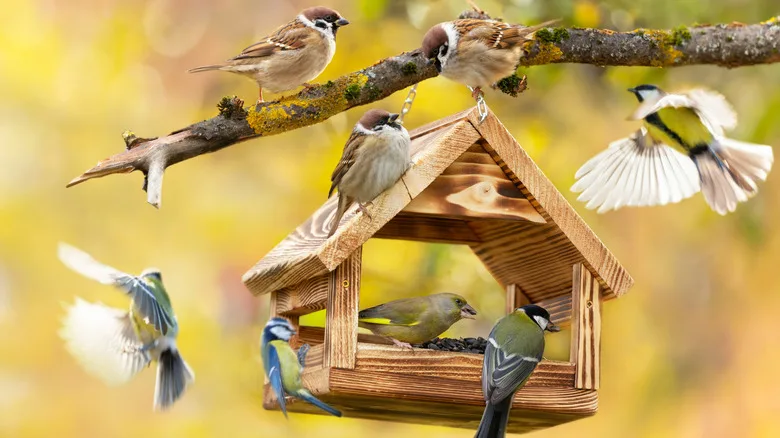
Picture this: It’s a crisp autumn morning, and you’re sipping coffee on the porch, ready to watch the usual parade of feisty chickadees and gentle finches at your feeder. Suddenly, a squad of rowdy grackles crashes the party, scattering seeds everywhere and scaring off the little guys. I remember my first backyard birding setup years ago in a quiet suburban spot outside Chicago. I hung a simple tube feeder filled with sunflower seeds, dreaming of colorful cardinals. Instead, I got a takeover by house sparrows that turned my peaceful oasis into a feathered frat house. It was frustrating, but it taught me something valuable: not all birds are the sweet songsters we romanticize. Some earn their “bad boy” status through sheer audacity, and understanding why can help us coexist—or gently show them the door.
These so-called nuisance backyard birds aren’t villains in a Hitchcock flick; they’re survivors in a world we’ve reshaped. From invasive newcomers like European starlings to native bullies like blue jays, they thrive where we provide easy meals and shelter. But here’s the good news: with a bit of know-how, you can reclaim your yard without guilt. In this guide, we’ll dive into the culprits, unpack their quirks, and arm you with practical fixes. Think of it as birding boot camp—equal parts education, empathy, and elbow grease. By the end, you’ll spot these feathered troublemakers from a mile away and know exactly how to keep your haven harmonious.
Why Do Some Backyard Birds Get a Bad Rap?
Birds with bad reputations often stir up trouble because they’ve adapted too well to human spaces, turning our yards into their personal buffets or battlegrounds. What starts as a few opportunistic visitors can snowball into flocks that dominate feeders, devour garden veggies, or leave a mess of droppings that harbor bacteria. It’s not malice; it’s evolution at work. These birds—think starlings muscling out bluebirds or pigeons cooing endlessly on your roof—exploit the food, water, and cover we unwittingly offer.
From my own trial-and-error days, I learned that ignoring the signs early on just invites chaos. One summer, unchecked cowbirds in my yard led to a heartbreaking dip in the local songbird population. The key? Spotting patterns like aggressive chasing at feeders or sudden lawn divots from probing beaks. Once you see it, you can act humanely, balancing your love for wildlife with the need for a tidy, pest-free patch of green.
This isn’t about demonizing birds; it’s about smart stewardship. By tweaking your setup, you protect natives while giving these rascals a nudge elsewhere. Let’s meet the usual suspects next.
The Usual Suspects: Meet Your Backyard Bullies
Ever feel like your yard hosts an avian reality show called “Survivor: Suburbia”? The cast includes flashy but feisty types that steal the spotlight—and the seeds. These birds aren’t all invasive, but their behaviors make them infamous among backyard enthusiasts. We’ll spotlight the top offenders, from the iridescent invaders to the opportunistic natives, so you can ID them on sight.
Knowing their tricks is half the battle. For instance, during my early birding mishaps, mistaking a harmless dove for a destructive grackle cost me a season’s worth of tomatoes. Now, I scan for telltale signs like glossy feathers or bossy postures. Armed with this, you’re ready to outsmart them without a slingshot in sight.
European Starlings: The Speckled Squatters
These chunky, blackish birds with iridescent spots look like they stepped out of a disco, but their party vibe turns sour fast. Starlings arrived in North America in the 1890s via a misguided Shakespeare fan releasing them in Central Park. Now, they number in the hundreds of millions, outcompeting natives for nest holes and devouring berries like candy.
They’re relentless at feeders, jamming beaks into crevices to hoard suet, and their massive flocks (murmurations) can strip a fruit tree overnight. I once watched a dozen turn my cherry bush into toothpicks—heartbreaking after months of nurturing. But starlings aren’t all bad; they devour grubs that plague lawns. The issue? Balance. When they tip the scales, it’s time for intervention.
House Sparrows: The Cheeky Chasers
Don’t let their perky chirps fool you—these pudgy brown birds (males sport black bibs like tiny gangsters) are feisty gatecrashers. Native to Europe, they hitched a ride to America in the 1850s and now bully bluebirds out of boxes, pecking eggs or fledglings to claim territory.
At feeders, they’re pros at dive-bombing smaller birds, turning seed stations into sparrow saloons. My first nest box fiasco involved a sparrow family evicting a pair of wrens—lesson learned the hard way. They’re drawn to crumbs and grains, so urban yards are prime real estate. Yet, they munch weed seeds, offering a silver lining if managed.
Common Grackles: The Glossy Gang Leaders
With their slick oil-black feathers shimmering purple and blue in the sun, grackles strut like they own the place—and often, they do. These icterids (blackbird kin) travel in raucous gangs, screeching and shoulder-checking finches off perches. Native but opportunistic, they raid cornfields and backyards alike, gulping unripe fruit that sours on the vine.
I chuckle now recalling a spring when grackles “adopted” my platform feeder, leaving it seedless in hours and dive-bombing my head for refills. Their beady eyes and wedge-shaped tails scream mischief, but they control insect pests like Japanese beetles. Problem is, their flocks amplify the annoyance, turning solo diners into mob scenes.
Pigeons: The Urban Roof Rats
Ah, the rock dove—gray with iridescent necks, forever cooing on ledges like lovesick tenants. Feral pigeons exploded from escaped homing breeds in the 1600s, thriving on city scraps but spilling into suburbs. They drop acidic poop that eats paint and carry mites that itch pets (and us).
In yards, they mob ground feeders, scattering hulls and fouling patios. My neighbor’s rooftop colony once turned her deck into a slip-n-slide—yikes. They’re hardy, breeding year-round, but they do scarf up spilled grain. Still, their homing smarts make relocation tricky; deterrence is key.
Brown-Headed Cowbirds: The Sneaky Surrogates
These matte-black males with chocolate noggins look unassuming, but they’re nature’s deadbeat parents. Cowbirds lay eggs in other birds’ nests, letting hosts raise their young—who outgrow and starve the originals. A western expansion from prairies (thanks to forest clearing) made them backyard brood parasites.
They swarm feeders in mixed flocks with grackles, but their real crime is ecosystem sabotage. I spotted one dumping an egg in a warbler’s nest once—gut-wrenching. Positively, they eat snails and caterpillars. But unchecked, they threaten songbird diversity.
The Hidden Costs: How These Birds Impact Your Yard
Beyond the squawks and seed theft, these birds leave a trail of headaches that hit your wallet and well-being. Droppings aren’t just gross; they’re corrosive, pitting car paint or staining siding with uric acid. Piles under roosts breed fungi like histoplasmosis, a lung irritant from inhaled spores—ask any homeowner scrubbing a starling siege aftermath.
Then there’s the competition: invasives like sparrows evict natives, slashing biodiversity. My yard’s warbler sightings plummeted until I intervened. Economically, garden raids mean replanting costs—pigeons alone ding U.S. farms $1 billion yearly in crops. Health-wise, mites from nests bite humans, and bacteria-laden poop risks salmonella for kids or dogs romping nearby.
Emotionally? It’s a buzzkill. That serene birding ritual? Ruined by bullies. But recognizing these tolls empowers action. A quick fix like baffles saved my setup; yours can thrive too.
Native vs. Invasive: Sorting the Good Guys from the Goons
Not all “bad” birds are created equal—natives like grackles play ecosystem roles, while invasives like starlings disrupt them. Natives evolved here, controlling pests without upending balance; invasives, shipped from afar, explode unchecked. House sparrows, for example, arrived via ships and now kill 15% of bluebirds via nest raids.
| Aspect | Native “Troublemakers” (e.g., Grackles, Cowbirds) | Invasive Nuisances (e.g., Starlings, Sparrows) |
|---|---|---|
| Origin | Evolved in North America; adapted locally | Introduced from Europe/Asia; no natural checks |
| Ecosystem Role | Eat insects, disperse seeds; part of food web | Outcompete natives; reduce biodiversity by 20-30% |
| Legal Status | Protected; can’t harm without permit | Unprotected; legal to deter/trap humanely |
| Backyard Impact | Seasonal flocks; easier to manage | Year-round breeding; persistent squatters |
| Pros | Natural pest control (e.g., beetles) | None significant; mostly cons |
This table highlights why targeting invasives first matters. I focus on sparrows in my yard—natives get a pass. It’s about harmony, not war.
Pros and Cons: Living with the Loudmouths
Should you tolerate these birds or fight back? Weighing it out helps. Pros: They aerate soil probing for bugs, fertilize with poop (if contained), and add wildlife drama. Cons: Noise pollution, disease vectors, and native displacement. A pro like grackles curbing armyworms? Gold. But cons like starling flocks devouring suet? A budget buster.
- Pros List:
- Free pest patrol: Starlings gobble 100+ insects daily.
- Entertainment value: Jay antics rival reality TV.
- Soil turnover: Cowbird digs unearth grubs.
- Cons List:
- Crop carnage: Pigeons strip veggies overnight.
- Mess multiplier: Droppings demand weekly scrubs.
- Bully behavior: Sparrows evict songbirds, crashing diversity.
In my experience, the scales tip toward management—enjoy the pros, mitigate the cons.
Effective Deterrence: Humane Ways to Reclaim Your Space
Tired of playing host to uninvited guests? Humane deterrence works wonders, focusing on denial over destruction. Start with habitat tweaks: Remove standing water (pigeon magnets) and seal eaves with hardware cloth. Feed smarter—safflower seeds baffle sparrows but delight cardinals.
For feeders, caged tube designs let finches in, grackles out. I swapped my open tray for one after a grackle gang-up; peace restored. Visual scares like reflective tape or owl decoys rotate weekly to prevent habituation. Motion-activated sprinklers? Genius for lawns—starlings scatter like confetti.
Where to get these? Local wild bird stores stock Droll Yankees cages ($30-50) or Audubon’s guide to humane tools. Online, Amazon’s bird netting ($15/50ft) covers berry bushes. Best tools? BIRD-X spikes for ledges ($20/pack) or Songbird Essentials baffles ($25) to hawk-proof poles.
Transactional tip: For bulk buys, check Tractor Supply for feeders; they’re durable for yards. Pro move: Layer methods—netting plus seed swaps—for 90% success.
Comparison: DIY vs. Pro Deterrents
| Method | DIY Version | Pro Upgrade | Cost | Effectiveness |
|---|---|---|---|---|
| Visual Scares | Old CDs on string | Solar owl decoy | $0-10 | 60-70% (short-term) |
| Physical Barriers | Chicken wire over beds | Stainless spikes | $5-20 | 85% (long-term) |
| Sound Devices | Wind chimes | Ultrasonic repeller | $10-50 | 70% (with rotation) |
| Seed Switches | Homemade safflower mix | Caged nyjer feeder | $15-40 | 80% for invasives |
DIY shines for budgets; pros for permanence. I started DIY, upgraded to pros—night and day.
People Also Ask: Real Questions from Fellow Bird Lovers
Drawing from Google’s “People Also Ask,” here are spot-on queries with straightforward answers. These hit common pain points, like why your idyll turns invasion.
What are the most common nuisance birds in backyards?
The big four: European starlings (flock bullies), house sparrows (nest thieves), common grackles (seed hogs), and pigeons (poop pros). They thrive on easy access but can be deterred with caged feeders and sealed spots.
How do I keep pest birds out of my bird feeder?
Opt for weight-activated or caged designs that exclude heavies like grackles. Switch to safflower or nyjer seeds—they love ’em less. Clean spills promptly; birds follow mess like kids to cookies.
Are backyard birds with bad reputations invasive species?
Some yes (starlings, sparrows), others no (grackles are native but rowdy). Invasives lack predators here, exploding populations. Focus efforts on non-natives for legal, effective wins.
Why do birds with bad reps damage gardens?
They raid for easy calories—berries, seeds, bugs. Pigeons peck greens; cowbirds parasitize nests. Dense plantings or fleece covers turn your plot into a no-fly zone.
Can I legally remove nuisance birds from my yard?
Invasives like sparrows? Yes, trap and relocate humanely (check local laws). Natives? Deter only—no harm. Permits needed for big issues; consult USFWS guidelines.
FAQ: Your Burning Questions Answered
Got a sparrow standoff or grackle gripe? These cover real user headaches I’ve fielded over years of chatting with fellow yard warriors.
Q: What’s the quickest way to stop starlings from dominating my suet feeder?
A: Install a cage around it—starlings can’t squeeze through 1.5-inch gaps, but woodpeckers can. Add hot-pepper suet for extra kick; it’s bird-safe but spicy for them. Works in days.
Q: How do I deter pigeons without harming them?
A: Slant ledges with PVC pipes or spikes—they hate unstable footing. Reflective pinwheels flutter and flash, scaring ’em off. Seal entry points; prevention beats cure.
Q: Are cowbirds really that bad for other birds?
A: Yes—their chicks outcompete hosts, dropping songbird numbers. Remove eggs from monitored nests (if invasives), and use nest box traps. It’s tough love for ecosystem health.
Q: Why do grackles show up in huge flocks suddenly?
A: Migration waves; they’re nomads chasing food. Pause feeders a week—they’ll move on. Resume with small perches they can’t balance on.
Q: Can planting certain things keep nuisance birds away?
A: Absolutely—thorny barberry or dense viburnum hedges block access. Hot peppers in soil repel ground foragers. Native plants draw friendlier species instead.
There you have it—a roadmap to taming the wild side of your yard. From my coffee-stained porch epiphanies to your next bird-spotting session, remember: these “bad” birds are just birds, wired for survival in our shared space. With empathy and strategy, your backyard can buzz with the good ones—the warblers, wrens, and wonders that make mornings magical. Grab those baffles, tweak that feeder, and watch harmony return. What’s your yard’s latest drama? Drop a note; I’d love to hear.