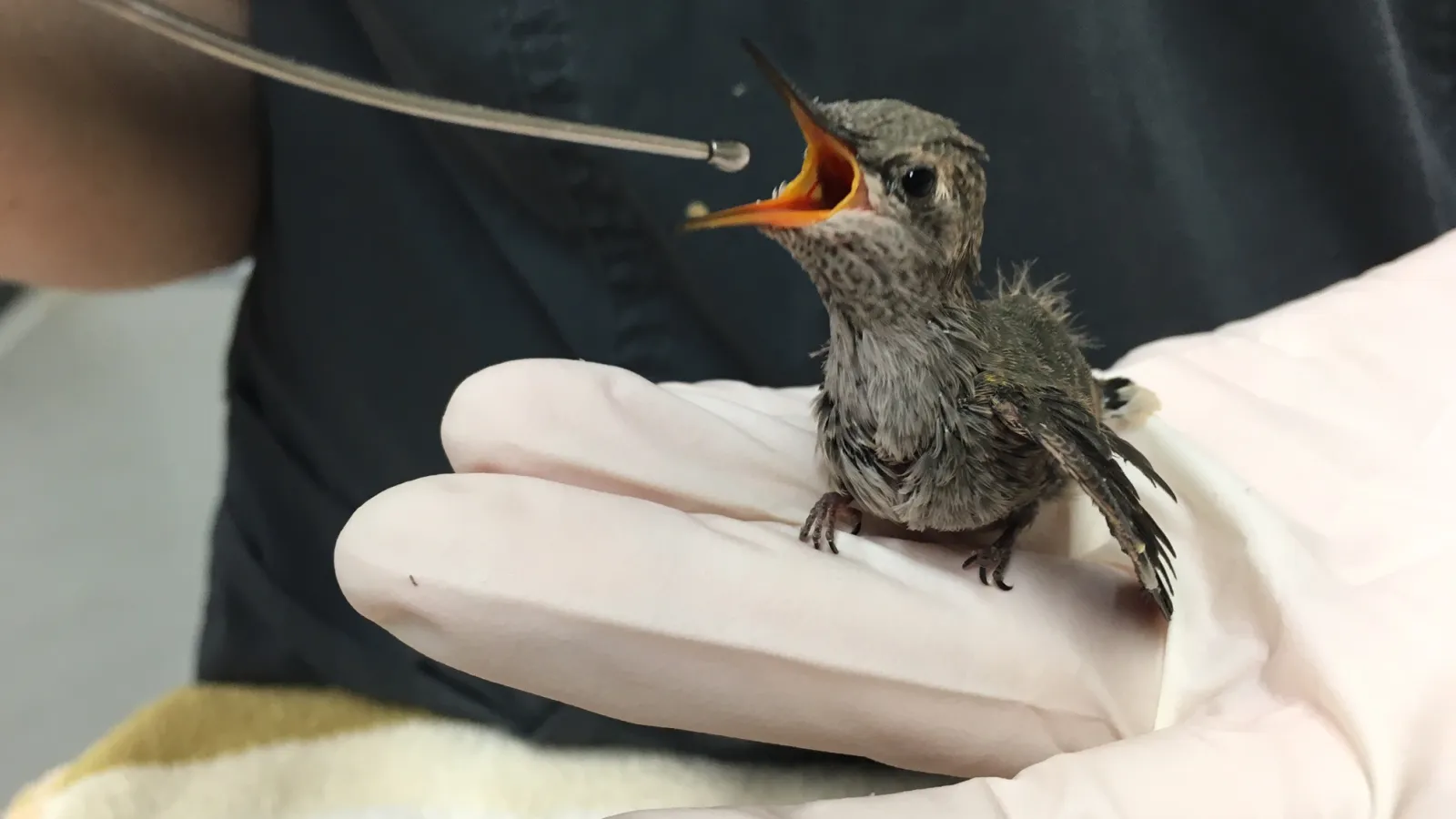
Hey there, fellow Ontario nature lover. Picture this: It’s a crisp spring morning in your backyard, and a flash of blue catches your eye – a blue jay, strutting like it owns the place. You smile, but then you spot its nest tucked too close to your deck, and suddenly you’re wondering if your morning coffee ritual is about to turn into a feathered standoff. Sound familiar? I’ve been there, staring down a determined robin who decided my porch light was prime real estate for her family. As someone who’s spent years volunteering with local wildlife rescues and chatting with experts at the Ontario SPCA and Humane Society, I can tell you this: sharing space with birds isn’t about outsmarting them – it’s about harmony. In this guide, we’ll dive deep into coexisting with Ontario’s feathered friends, drawing straight from the Ontario SPCA’s wisdom on humane living. Let’s turn those backyard encounters into something magical, shall we?
Understanding the Challenges Birds Face in Ontario
Ontario’s birds are tough cookies, but urban sprawl has turned their world upside down. From the bustling streets of Toronto to the quiet trails of Algonquin Park, habitat loss pushes species like the eastern bluebird and chimney swift into our backyards, chimneys, and even living rooms. The Ontario SPCA reminds us that these aren’t pests – they’re survivors competing for the same patch of green we cherish.
As development eats up forests and wetlands, birds face shrinking food sources and nesting spots. Take the barn swallow, once a fixture on farms; now it’s scrambling for spots under your eaves. It’s heartbreaking, really – these migrants fly thousands of miles just to find their home bulldozed.
But here’s the silver lining: With a bit of know-how, we can make room for them without losing our sanity. The key? Empathy mixed with practical steps, as the SPCA outlines in their wildlife fact sheets.
Common Bird Species in Ontario Backyards
Ever wonder why your feeder turns into a avian all-you-can-eat buffet come dawn? Ontario boasts over 500 bird species, but a handful dominate our daily lives. Black-capped chickadees flit about with their signature “chick-a-dee-dee,” while mourning doves coo softly from the fence line, looking like they’ve got the weight of the world on their plump chests.
Then there are the woodpeckers – those rhythmic drummers on your siding – and the ever-bold American robins, tugging worms like they’re in a tug-of-war. In southern Ontario, expect ruby-throated hummingbirds zipping like tiny helicopters, their iridescent throats flashing in the sun.
These aren’t random visitors; they’re locals adapting to us. I once watched a family of house finches turn my neglected flowerpot into a nursery – a tiny reminder that birds see potential where we see clutter.
Backyard Favorites: Chickadees and Finches
Chickadees are the social butterflies of the bird world, bold enough to eat from your hand if you’re patient. Their curiosity is infectious, but they thrive on seeds and insects, not our bread scraps.
Finches, with their rosy hues in spring males, add a pop of color but can swarm feeders, leading to squabbles. Keep it simple: Offer nyjer seed, and watch the drama unfold like a feathered soap opera.
Larger Visitors: Doves and Jays
Mourning doves are peacekeepers, ground-foraging quietly until a blue jay crashes the party with its raucous jay-jay calls. Jays are smart – they remember faces and can even mimic hawks to scare off rivals.
These bigger birds need open space; scatter millet on the ground, but beware – doves’ gentle nature hides a talent for pooping on your patio furniture mid-flight. It’s their way of saying “thanks for the snack.”
Humane Ways to Attract Birds to Your Yard
Who doesn’t love starting the day with a symphony of tweets? Attracting birds humanely means creating a safe haven, not a trap. The Ontario SPCA stresses native plants and clean water over processed feeds – think serviceberry bushes for berries and a shallow birdbath for dips.
Start small: Plant coneflowers for goldfinches or install a suet feeder for downy woodpeckers. It’s rewarding – last summer, my simple thistle sock feeder drew a flock of pine siskins, turning my deck into a live nature show.
Remember, less is more. Overfeeding leads to dependency, so rotate offerings and keep things natural. Your yard becomes a pit stop, not a handout line.
Best Native Plants for Ontario Birds
Native flora isn’t just pretty – it’s bird food central. Elderberry bushes provide berries for cedar waxwings, while milkweed lures butterflies that become warbler snacks.
Sunflowers tower with seeds for cardinals, their red plumage popping against green leaves. Pro tip: Skip invasives like English ivy; they choke out the good stuff.
Safe Feeder Setup Tips
Position feeders 10 feet from windows to cut collision risks – those thuds are too common in Ontario’s glass-heavy homes. Use tube feeders with perches for small birds, and clean weekly to dodge salmonella outbreaks.
Hummingbird feeders? Opt for nectar mixes sans red dye; it’s kinder on their tiny livers. I learned this the hard way when a vet buddy nursed a sugar-shocked hummer back to health.
Dealing with Unwanted Bird Guests Humanely
Birds knocking on your door – literally – can test anyone’s patience. A starling flock turning your balcony into a dive bar? We’ve all been there. The SPCA’s approach: Deter, don’t destroy. Scare tactics like reflective tape work wonders without harm.
I once had pigeons claiming my rooftop AC unit as a condo. A few pie tins dangling from string sent them packing in days – no drama, just physics. It’s about redirection, not eviction.
Humor helps too: Imagine explaining to your neighbor why your yard looks like a disco with all that shiny foil. But seriously, humane methods build goodwill with wildlife and your community.
Deterring Birds from Gardens and Patios
Flimsy pie plates on stakes flutter in the breeze, scaring off nibblers without chemicals. Bird netting over berries keeps robins honest, but check daily to avoid entanglements.
For patios, motion-activated sprinklers startle without soaking you – unless you’re sneaking a midnight snack. Pair with plant choices like marigolds, which birds find unappealing.
Handling Nesting in Awkward Spots
Chimney swifts love flues, but their chirps at 5 a.m.? Rude. Install a swift tower nearby – it’s like bird Airbnb, humane and effective.
Eave nests? Wait till fledglings leave (two weeks tops), then gently relocate. The SPCA notes: Never remove active nests; it’s illegal under Migratory Bird Act.
What to Do If a Bird Enters Your Home
Heart stops when a sparrow zips past your screen door, right? Don’t panic – birds follow light. Dim indoor lamps, open an exterior door, and shoo gently with a broom from the opposite side.
One frantic evening, a cedar waxwing invaded my kitchen, dive-bombing cabinets like a feathered bullet. Twenty minutes of calm coaxing, and it was out – berry stains and all. Lesson: Patience pays.
If it won’t budge, cover it softly with a towel and release outside. No cages; stress kills faster than confusion.
Step-by-Step Indoor Escape Guide
- Close off rooms to funnel toward the exit.
- Turn off ceiling fans – no bird smoothies, please.
- Wait it out; most exit in under an hour.
For the stubborn ones, a box trap works, but release immediately. Call local SPCA if injured.
Rescuing and Rehabilitating Injured Ontario Birds
Spot a limping grackle? First, assess: Bleeding or dazed? Contain in a ventilated box with a towel, keep warm (not hot), and contact a pro.
Ontario’s wildlife custodians handle rehab – think Toronto Wildlife Centre for songbirds. I fostered a baby owl once; its wide-eyed stares melted me, but experts ensured a wild release.
Don’t DIY feeding; wrong grub dooms them. The SPCA partners with licensed spots – find yours via Ontario Wildlife Rescue.
Signs a Bird Needs Help
Fluffed feathers, labored breathing, or inability to fly signal trouble. Fledglings on ground? Often normal – mom watches nearby.
Injuries from cats? Rush ’em; bacteria is deadly. Pros use antibiotics we can’t.
Where to Get Professional Help in Ontario
Head to Toronto Wildlife Centre for GTA birds, or Shades of Hope in Cobourg for northern species.
Rural? Guelph Humane Society’s wildlife program shines. Always verify licensing – unlicensed “rescuers” harm more than help.
Pros and Cons of Backyard Bird Feeding
| Aspect | Pros | Cons |
|---|---|---|
| Wildlife Support | Boosts energy for migrants; attracts rare sightings like warblers. | Can spread disease if unclean; attracts rodents too. |
| Personal Joy | Turns chores into therapy – who needs Netflix with live entertainment? | Over-reliance makes birds picky eaters, weakening natural foraging. |
| Eco Impact | Pollinator boost via insects drawn to feeders. | Seed waste clogs gutters; choose eco-friendly brands. |
Feeding’s a double-edged sword, but done right, it’s a win. I weigh it yearly – the joy outweighs the cleanup, hands down.
Comparison: DIY vs. Professional Bird Deterrents
Ever debate foil vs. hiring a pro? DIY shines for small yards: Cheap, quick, like hanging CDs for that rainbow disco effect on grackles.
Pros? Ultrasonic devices or netting setups handle big infestations, but cost $200+. My take: Start DIY, escalate if needed – saves cash and builds skills.
- DIY: Affordable, empowering; e.g., hawk silhouettes fool crows.
- Pro: Tailored, guaranteed; ideal for chimney nests.
People Also Ask: Top Google Queries on Ontario Birds
Drawing from common searches, here’s what folks like you are pondering – and quick answers optimized for clarity.
What should I do if I find a baby bird on the ground in Ontario?
Fledglings hop around learning to fly – leave ’em if alert and feathered. Truly orphaned (cold, calling nonstop)? Box and call a rehabber like Toronto Wildlife Centre.
How do I stop birds from hitting my windows?
Apply decals or screens to break reflections – birds see “intruders” in glass. Feather-friendly tape works wonders; reduces collisions by 70% per studies.
Are house sparrows a problem in Ontario backyards?
Invasive but feisty, they bully natives. Limit perches to small-bird feeders; it’s humane crowd control.
What’s the best food for wild birds in Ontario winters?
Suet cakes and black oil sunflower seeds rule – high-fat for cold snaps. Avoid salted or flavored; sticks to natural diets.
Best Tools for Humane Bird Watching and Management
Gear up without guilt – these picks enhance coexistence. Top transactional rec: The Birds Canada Backyard Feeder Kit ($50) – includes native seed and collision tape.
For deterrents, SPCA-endorsed reflective bird tape ($10 on Amazon) flutters like mad, scaring without harm. Binocs? Nikon Monarchs for crisp views of that elusive scarlet tanager.
- Budget Pick: DIY birdhouse plans from Ontario Nature – free, builds skills.
- Splurge: Motion-sensor owl decoy ($30) – rotates for max scare factor.
Shop local at Wild Birds Unlimited stores across Ontario for expert advice.
FAQ: Your Burning Questions on Birds and Humane Living
Q: Is it legal to relocate a bird nest in Ontario?
A: No, if active – the federal Migratory Birds Convention Act protects most species. Wait post-fledging, then gently move. Fines sting more than the chirps.
Q: How can I tell if a bird is sick before approaching?
A: Look for droopy wings, puffed posture, or isolation. From afar, note behavior; if off, alert a custodian without touching.
Q: What’s the humane way to clean up bird poop messes?
A: Vinegar spray for natural dissolve – no harsh chems that harm via runoff. Gloves on, and laugh it off; it’s fertilizer gold!
Q: Do bird feeders attract predators like cats?
A: Yep, so elevate feeders and use baffles. Indoor cats? Harness walks prevent “gifts” on your doorstep.
Q: Where can I volunteer for bird rehab in Ontario?
A: Start with Ontario SPCA affiliates or FLAP Canada for collision monitoring. Hands-on heart-menders wanted!
Whew, we’ve covered a lot of ground – from feisty finches to rescue runs. Living with Ontario’s birds isn’t always postcard-perfect, but it’s profoundly rewarding. That robin nest on my porch? It hatched three spunky fledglings who now visit my feeder like old pals. Thanks to the Ontario SPCA and Humane Society’s guidance, we’re not just neighbors – we’re partners in this wild ride. Got a bird tale of your own? Share in the comments. And if you’re inspired, check out ontariospca.ca for more ways to lend a wing. Until next time, keep those eyes to the sky.