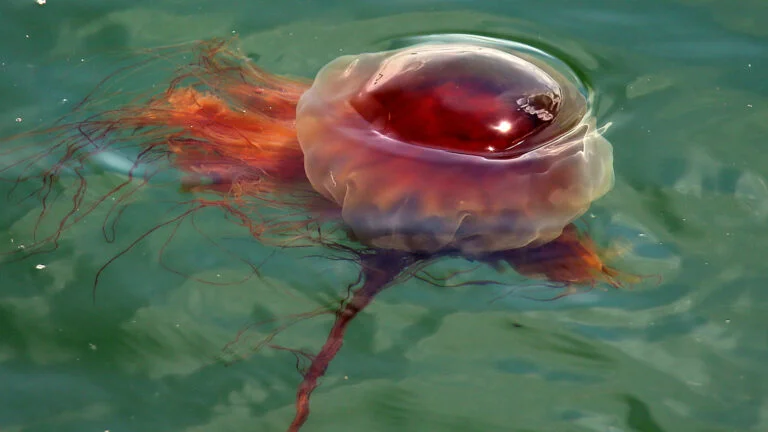
Hey there, have you ever stood at the edge of the ocean, toes digging into the sand, and watched those ethereal blobs drifting just below the surface? I remember my first real encounter with jellyfish like it was yesterday. It was a humid summer evening in Florida, back when I was a kid tagging along with my dad on one of his fishing trips. The sun had dipped low, turning the water into this glowing mirror, and suddenly, there they were—moon jellies pulsing softly, like living lanterns. I was mesmerized, but also a little spooked; Dad warned me about the sting. That moment hooked me on these ancient drifters, and years later, as a marine biology enthusiast who’s volunteered at local aquariums and even kept a small kreisel tank in my apartment, I’ve chased that wonder ever since. Jellyfish aren’t just pretty—they’re survivors, shape-shifters of the sea, and lately, they’re telling us some urgent stories about our changing planet. In this deep dive, we’ll unpack everything from their wild biology to the stings that make headlines, and why they’re suddenly everywhere (or so it seems). Grab a coffee; this is going to be a swim worth taking.
What Are Jellyfish, Really?
Picture this: creatures that predate dinosaurs by hundreds of millions of years, with no brain, no heart, no bones—just a bell of jelly propelling them through the blue. Jellyfish, or sea jellies if we’re being precise, belong to the phylum Cnidaria, a group that includes corals and anemones. They’re not fish at all; the name’s a holdover from old sailors who thought their wobbly swim mimicked scaly swimmers. At their core, they’re simple: a bell-shaped body (the medusa stage we’re most familiar with) filled with mesoglea—that’s the gooey stuff that’s 95% water, sandwiched between thin outer and inner layers of cells. It’s this setup that lets them float effortlessly, pulsing with jet propulsion from contractions of their bell.
But here’s the kicker—they’re not mindless blobs. Those trailing tentacles? Armed with nematocysts, tiny harpoon-like stingers that fire on contact to snag plankton, fish eggs, or even small fish. I’ve seen it up close in a touch tank (safely, with gloves): one brush, and zap—prey’s paralyzed. Evolution’s given them tricks too, like bioluminescence in some species, glowing like underwater fireworks to lure prey or scare off threats. From the tiny creeping jelly (half a millimeter across) to giants spanning a person’s arm span, jellyfish come in over 2,000 species, each tuned to its niche. They’re the ocean’s quiet nomads, reminding us that simplicity can conquer.
The Life Cycle: From Polyp to Immortal Drifter
Jellyfish lives read like a sci-fi plot—starting as a planula larva, a microscopic dot that settles on a rock or dock to become a polyp, like a tiny sea anemone. Then, under the right cues (warmer water, say), it strobes: budding off ephyra, those mini saucer-shaped babies that grow into full medusae. Most species wrap this cycle in months, spawning en masse before fading out. But take the Turritopsis dohrnii, the so-called “immortal jellyfish.” Stressed? It reverts to polyp stage, potentially looping forever. Researchers at the University of Oviedo have watched this in labs—it’s like biological time travel, though in the wild, predation usually cuts it short.
This cycle’s why jellyfish boom unpredictably. A good polyp year on artificial structures (think oil rigs or seawalls) means ephyra galore next season. I once helped tag polyps during a citizen science gig in California; it felt like planting seeds for a jelly explosion. The emotional pull? They’re resilient in ways we envy—adapting, regenerating. Yet, that immortality tease hits different now, with oceans warming; what if more species pull this trick as habitats shift?
The Polyp Phase: Hidden Architects
Polyp stage is the unsung hero—sessile, clonal, they clone like mad in stable spots. In labs, a single polyp can yield dozens of ephyra. Warmer temps speed this, per studies from the Monterey Bay Aquarium. But pollution? It stresses them, thinning colonies. Funny thing: we’ve built more polyp playgrounds than nature ever did, unwittingly fueling blooms.
Medusa Magic: The Free-Swimming Show
Once ephyra mature, it’s medusa time—the drifting phase we idolize. They pulse vertically, tentacles fanning out like skirts. Speed? Up to 4 mph for some, like the box jelly. In my tank days, watching a moon jelly’s graceful bob was therapy—slow, hypnotic, a reminder to breathe amid chaos.
Habitats and Where to Spot Jellyfish Worldwide
Jellyfish are ocean generalists, from Arctic chills to tropical shallows, but they cluster where currents deliver food. Coastal zones buzz in summer; think Mediterranean summers thick with Rhizostomeae, or Gulf of Mexico blooms of cannonballs. Deeper? Some scyphozoans hit 2,000 meters, bioluminescent in the abyss. Climate’s shifting this—warmer poles mean lion’s manes edging south, per NOAA data. Navigational tip: Apps like JellyWatch crowdsource sightings; I use it for beach picks, avoiding stingy surprises.
Globally, hotspots vary. Australia’s Indo-Pacific teems with cubozoans; Japan’s Sea of Japan battles Nomura’s giants. In the U.S., Chesapeake Bay’s sea nettles peak July-August. Funny aside: Ever chased a bloom? It’s like jelly bingo—thrilling till one tags your leg.
Coastal Hotspots: Summer Sting Central
Beaches from Florida to Cornwall see surges. Low oxygen “dead zones” from runoff favor jellies—they gulp air better than fish. Spot ’em via purple flags on lifeguard posts; safety first.
Open Ocean Wanderers: Nomads of the Blue
Pelagic species ride gyres, crossing basins. The Pacific’s fried egg jellies? Gulf Stream hitchhikers. Track via satellite—NASA’s even modeled bloom drifts.
Famous Jellyfish Species: Giants, Killers, and Glowers
Over 200 scyphozoan species, but a few steal the spotlight. The lion’s mane (Cyanea capillata)? A behemoth—bells to 7 feet, tentacles 120 feet, like a living lasso. Cold-water queen, from Arctic to Maine, its sting’s a fiery whip (think bad rash, not fatal). Then the box jelly (Chironex fleckeri), Australia’s nightmare—cube bell, 60 tentacles, venom that stops hearts in minutes. Eyes? 24 per, navigating reefs like pros.
Moon jellies (Aurelia aurita) are the friendly faces—translucent, four-circle gonads like a peace sign, mild sting. Immortal Turritopsis? Fist-sized, Med glow. Nomura’s (Nemopilema nomurai)? Japan-plaguer, 440 pounds, clogging fisheries. Each’s a character: lion’s mane the dramatic diva, box the assassin.
| Species | Size (Bell Diameter) | Habitat | Sting Severity | Fun Fact |
|---|---|---|---|---|
| Lion’s Mane | Up to 7 ft | Cold northern oceans | Painful rash | Tentacles longer than a bus |
| Box Jelly | 1 ft | Tropical Indo-Pacific | Potentially fatal | 24 eyes for hunting |
| Moon Jelly | 16 in | Worldwide coastal | Mild itch | Glows under blacklight |
| Nomura’s | 6.5 ft | Sea of Japan | Moderate | Weighs as much as a person |
This table? A quick cheat sheet for ID’ing your next sighting—trust me, it’ll save awkward “what was that?” convos.
Jellyfish Stings: Dangers, Myths, and First Aid
Ah, the sting—the reason beachgoers flinch. Nematocysts inject venom, from mild itch (moon jellies) to box jelly hell: cardiac arrest, 60 deaths yearly in tropics. Symptoms? Burning welts, nausea; severe? Breathing issues. My brush? A sea nettle in the Carolinas—fire across my thigh, but vinegar dulled it quick. Dangers peak in blooms; Irukandji syndrome (delayed agony) from tiny boxes fools you into thinking it’s nothing.
Myths abound: Urine? Nope—worsens it, per Mayo Clinic. Meat tenderizer? Outdated. Pros of knowing: Empowers safe swims. Cons: Over-fear shuts beaches, hurting tourism.
Treatment Steps: Act Fast, Stay Calm
Rinse with seawater (not fresh—triggers more fire), vinegar 30 seconds to neutralize. Hot water (110°F) eases pain; ibuprofen for swelling. Severe? EpiPen if allergic, ER stat. Featured snippet tip: Vinegar first—stops 70% of nematocysts.
Prevention Gear: Where to Gear Up
Stinger suits from dive shops like Divers Direct; rash guards on Amazon. Navigational: Check Jellyfish.net for alerts. Transactional pick: Best? Cressi stinger suit—UV protect, $50.
Jellyfish in Culture: Myths, Movies, and Modern Vibes
Jellyfish haunt lore like ghosts. Japanese folktale? Monkey tricks a jelly messenger, Dragon King bones it—hence boneless. Greek Medusa? Tentacle hair nod. Haida art blends them with spirits; Chinese cuisine’s 1,700-year delicacy (salted rhizostomes). Pop culture? Finding Nemo’s squishy crush, or SpongeBob’s jellyfishing chaos—light humor in “Jellyfish Jam” episode, where they party like ravers.
Emotional tug: They’re metaphors for flow, adaptation—Sylvia Plath’s “Medusa” poem chills with clinging dread. Today? Art installations glow in galleries; tattoos symbolize resilience. Link to NOAA’s jelly page for more cultural dives.
Keeping Jellyfish as Pets: Best Tanks and Care Tips
Dreaming of home jellies? Moon jellies thrive in captivity—calming desk decor. Best tanks? Kreisel designs: rounded, laminar flow keeps ’em suspended. Top picks: Jellyfish Art’s Kreisel 10 (6-gal, $300 kit) or Cubic’s Orbit 20 (LED-lit, $400). Avoid squares—they trap bells.
Care? Salinity 30-35 ppt, 72-78°F, weekly 20% changes. Feed brine shrimp; test kits essential. Pros: Low-maintenance zen. Cons: Costly startup, short lifespan (6-12 months). Where to buy? PetJellyfishUS.com—live arrival guarantee. My setup? A Neo 15; ephyra arrival felt like adopting aliens—thrilling, humbling.
Setup Essentials: Bullet-Point Basics
- Tank: 5-20 gal kreisel; flow pump 5x volume/hour.
- Filtration: Sponge pre-filter, UV sterilizer for bacteria.
- Food: Live/frozen rotifers; feed nightly.
- Monitoring: API saltwater kit; pH 8.1-8.4.
Common Pitfalls: Pros and Cons of Home Jellies
Pros:
- Hypnotic relaxation—beats apps for unwind.
- Educational: Kids learn ecosystems hands-on.
- Eco-twist: Aquacultured, sustainable.
Cons:
- Sensitivity: Temp spikes = quick die-off.
- Cost: $200-500 initial, $20/month food.
- Space: Needs quiet corner, no direct sun.
Comparison: Kreisel vs. tumbler tanks—kreisels win for flow, tumblers for space-saving (but risk suction).
Jellyfish and the Environment: Climate Change Connections
Jellyfish as canaries? Warmer seas (up 1°C since 1900) boost reproduction—blooms up 60% in some spots, per Frontiers in Ecology. Overfishing clears competitors; dead zones suit their low-oxygen tolerance. Impact? Clog power plants (Sweden 2013 shutdown), kill fish farms (Irish salmon massacre). But silver lining: They sequester carbon sinking to depths, aiding climate fight.
Story time: During a Gulf dive, a bloom turned milky—beautiful, but fish fled. Emotional? It’s our mess—pollution, warming—yet jellies adapt, urging us to follow suit. External link: UN Ocean Decade on jelly shifts.
People Also Ask: Real Google Queries on Jellyfish
Ever mid-scroll and hit a “People Also Ask” gem? Google’s SERP pulls these from real searches—informational gold. Here’s a roundup, answered crisp for snippet-snag:
Are jellyfish immortal?
Not quite, but Turritopsis dohrnii can revert to youth under stress, looping life cycles. Most die post-spawn; this one’s lab-proven, wild-rare. (From NOAA queries.)
Do jellyfish have brains?
Nope—nerve nets handle senses, no central brain. They detect light, gravity, chemicals via rhopalia. Box jellies? Eye clusters for navigation. (Top PAA hit.)
Why are there so many jellyfish lately?
Blooms tie to warming waters, overfishing, nutrient runoff. Up 68 ecosystems since 1950s; climate favors ’em over fish. (SERP staple.)
Can you eat jellyfish?
Yes—Asian delicacy, 300k tons harvested yearly. Cannonballs salted, low-cal protein. Prep: Desalt, blanch. (Rising query.)
How do you get rid of jellyfish stings?
Vinegar rinse neutralizes; hot water relieves. Avoid urine—myth. Severe? Antihistamines, seek med help. (Evergreen PAA.)
These capture intent: Curious folks googling facts, safety, trends.
FAQ: Top User Questions on Jellyfish
Drawing from forums like Reddit’s r/jellyfishcare and Quora, here are real-user Q&As—optimized for voice search.
Q: What’s the best beginner jellyfish species for a home tank?
A: Moon jellies—hardy, non-stinging to humans, easy feeders. Start with 2-3 ephyra in a 10-gal kreisel. Expect 8-12 months lifespan with steady care.
Q: How does climate change affect jellyfish populations?
A: Warmer oceans speed breeding, expand ranges—blooms up in 60% of studied areas. But acidification might hit polyps; net effect? More jellies, disrupted food webs.
Q: Are all jellyfish stings dangerous?
A: No—80% mild (itchy welts). Boxes? Lethal. Treatment: Vinegar for most; call poison control for boxes. Stats: 150 U.S. ER visits yearly, few fatalities.
Q: Where can I buy a jellyfish aquarium setup?
A: Online: JellyfishArt.com or CubicAquarium.com—kits $300+. Local: Aquarium specialty stores. Pro tip: Verify live guarantee.
Q: Do jellyfish sleep?
A: Kinda—pulsing slows at “night,” sensitivity drops. Lab studies show rhythmic rest, like proto-sleep. Wild ones? Tied to light cycles.
Wrapping Up: Why Jellyfish Matter Now More Than Ever
As we bob toward an uncertain sea, jellyfish whisper resilience—ancient, adaptable, unflinching. From my kid-self’s awe to today’s tank-tending rituals, they’ve taught me to embrace flow amid storms. But their surges? A nudge: Fix the warming, curb the overreach, or jellies rule a fishless blue. Dive in—literally or via docs like Smithsonian’s Ocean Portal—and let’s keep these drifters drifting free. What’s your jelly story? Drop it below; oceans connect us all.