Hey there, fellow outdoor enthusiast. Picture this: It’s dawn on a crisp fall morning in the Mississippi Flyway, mist rising off a shallow marsh like steam from your first cup of coffee. You’re tucked into a makeshift blind of reeds and cattails, heart pounding as a V-formation of geese cuts the sky. That thrill—the one where nature feels alive and you’re right in the thick of it—it’s what hooked me on waterfowl hunting over two decades ago. Back then, as a wide-eyed kid tagging along with my dad on our family’s Wisconsin pond, I mistook a bufflehead for a wood duck and nearly earned a lifelong lecture on why identification matters. Spoiler: It does, big time. Whether you’re a newbie chasing your first mallard or a seasoned shooter fine-tuning your eye, getting good at spotting waterfowl species isn’t just smart—it’s essential for ethical hunting, bagging limits legally, and savoring those stories you’ll tell around the campfire. In this guide, we’ll dive deep into the who, what, and how of identifying ducks, geese, and their kin, all while weaving in the practical side of bird hunting. Let’s get you out there, spotting birds like a pro.
What Are Waterfowl? Understanding the Basics
Waterfowl—those feathered dynamos of wetlands, rivers, and bays—belong to the family Anatidae, encompassing ducks, geese, and swans. These birds are built for life on the water, with webbed feet for paddling, broad bills for foraging, and plumage that repels moisture like a well-oiled rain jacket. But here’s the kicker: Not all “ducks” are created equal. Dabblers like mallards tip up in shallows to nibble vegetation, while divers such as canvasbacks plunge deep for aquatic plants and invertebrates. Geese, with their honking calls and grazing habits, often dominate fields, and swans glide like elegant ghosts on open water. Knowing these basics sets the stage for identification, especially when you’re knee-deep in a hunt and seconds count. From my early days, fumbling through a field guide while geese bombed overhead, I learned that grasping their watery world makes every sighting click into place.
Defining Ducks: The Diverse Dabblers and Divers
Ducks make up the bulk of North American waterfowl, with over 40 species zipping through our skies. Dabbling ducks, or puddle ducks, feed in shallow water and marshes, often flashing white underwings as they lift off. Divers, on the other hand, favor deeper lakes and oceans, submerging with a telltale “pop.” Think of it like party guests: Dabblers mingle on the edges; divers dive into the deep end. This split isn’t just trivia—it’s your first clue when birds cup their wings for a landing. I remember a foggy hunt in Minnesota where a raft of gadwalls—those understated gray dabblers—fooled me into thinking they were female mallards until their square tails gave them away. Spot on, and you’re halfway to a clean ID.
Geese and Swans: The Heavyweights of the Sky
Geese and swans bring size and swagger to the waterfowl party. Geese, like the ubiquitous Canada goose with its black neck and white chinstrap, migrate in noisy squadrons, grazing crops like feathered lawnmowers. Swans, rarer and regal, boast wingspans up to seven feet—trumpeter swans, for instance, trumpet their presence with whoops that echo across tundra ponds. Unlike ducks’ short-term flings, geese and swans often mate for life, adding a touch of avian romance to their flights. On a solo hunt last fall, I watched a pair of tundra swans silhouette against the sunrise, their grace reminding me why we chase these birds: Not just for the harvest, but the poetry in motion. Size matters here—geese clock in at 5-14 pounds, swans push 20-plus.
Key Features for Identifying Waterfowl Species
Spotting waterfowl boils down to a handful of tells: Plumage patterns that pop in flight, bill shapes as unique as fingerprints, and behaviors that scream “this ain’t no crow.” Light plays tricks, especially at dawn or dusk, so train your eye on contrasts—white patches, iridescent heads, or rusty chests. Flight style seals it: Dabblers leap skyward in a burst; divers run along the water before lifting. I’ve blown more shots than I’d admit by ignoring these cues, like that time I chased a “teal” that turned out to be a speedy cinnamon—lesson learned the hard way. Master these, and you’ll ID birds faster than you can chamber a shell.
Plumage Patterns: Colors That Tell the Tale
Feathers are waterfowl’s calling card, shifting with seasons and sexes. Males (drakes) flaunt breeding plumage—think mallard’s glossy green head or wood duck’s rainbow riot—while females (hens) go cryptic brown for nest camouflage. Eclipse plumage muddies males post-breeding, mimicking hens. Look for speculums (wing bars) that flash blue, green, or white in flight; they’re like secret handshakes between species. Humor me here: If ducks were people, the northern pintail’s elegant neck stripe would make it the tall, dark stranger at the bar. In low light, focus on silhouettes—long tails for pintails, chunky bills for shoveler.
Bill and Body Shapes: The Structural Giveaways
Bills betray habits: Broad and flat for dabblers’ surface skimming, serrated for sawbills like mergansers snagging fish. Body-wise, note neck length—short for ducks, elongated for geese—and tail shape: Pointed for teal, fan-like for ruddy ducks. Size scales too; buffleheads are golf-ball compact, canvasbacks torpedo-long. During a blustery hunt on Lake Erie, a spoon-billed shoveler’s absurd spatula face stood out amid a flock of lookalikes, turning confusion into clarity. Pro tip: Sketch these in your journal; it sticks better than any app.
Behavioral Clues: Flight, Foraging, and Calls
Birds act their species. Watch how they feed—head-down dabbling versus underwater dives—or flock: Teal zip in tight bunches, snow geese blanket fields like snowdrifts. Calls clinch it: Mallards quack raspy, Canada geese honk gravelly, wood ducks whistle eerie “oo-eeks.” In flight, wingbeats vary—fast and fluttery for teal, steady whooshes for swans. My dad used to mimic goose calls to lure ’em close, grinning like a kid when they’d circle back. It’s these quirks that turn a distant speck into a named bird, mid-hunt.
Common Waterfowl Species You’ll Encounter
From Atlantic shores to Pacific bays, North America’s waterfowl roster dazzles with variety. Focus on the big players: Mallards everywhere, teal as speedy migrants, Canada geese as suburban squatters. Each has quirks that make ID rewarding—like the wood duck’s clown-car colors or greater scaup’s blue-bill sheen. Over years of hunts from Texas bays to North Dakota potholes, I’ve tallied dozens, each sighting a notch in the memory belt. Here’s a rundown of must-knows, tailored for hunters in key flyways.
Iconic Ducks: Mallards, Teal, and Pintails
Mallards rule as the everyman’s duck—drakes’ green heads gleaming, hens’ mottled brown blending into reeds. Blue-winged teal streak south early, their powder-blue shoulders popping in flight; green-wings follow with chestnut heads. Pintails, slender and aristocratic, whistle as they wheel, white bellies flashing. These three account for over half of U.S. harvests, per Fish and Wildlife data. On a youth hunt, I dropped my first pintail at 15—its long neck folding like origami—and still get chills recalling the retrieve.
- Mallard: Ubiquitous, 2.5-3 lb; quack loud, tip-up feed.
- Blue-winged Teal: Small, fast; white crescent behind eye.
- Northern Pintail: Elegant, chocolate head; early migrant.
Geese on the Move: Canada, Snow, and White-Fronted
Canada geese, with black necks and white “cheekbands,” dominate skies in V’s up to 50 birds strong. Snow geese, white with black wingtips, swarm in Arctic hordes, their “yodel” calls a winter soundtrack. White-fronted geese (“specklebellies”) sport rusty breasts and laughing honks. These grazers love cut cornfields, drawing hunters statewide. I once passed on a low Canada flock, only to watch them cup into my decoys—patience pays, every time.
| Species | Size (lbs) | Key ID Mark | Habitat Preference |
|---|---|---|---|
| Canada Goose | 7-14 | Black neck, white chin | Fields, ponds |
| Snow Goose | 4-7 | White body, black primaries | Coastal marshes, tundra |
| Greater White-Fronted | 4-7 | Orange legs, speckled belly | Wetlands, ag lands |
Underdogs and Rarities: Wood Ducks and Mergansers
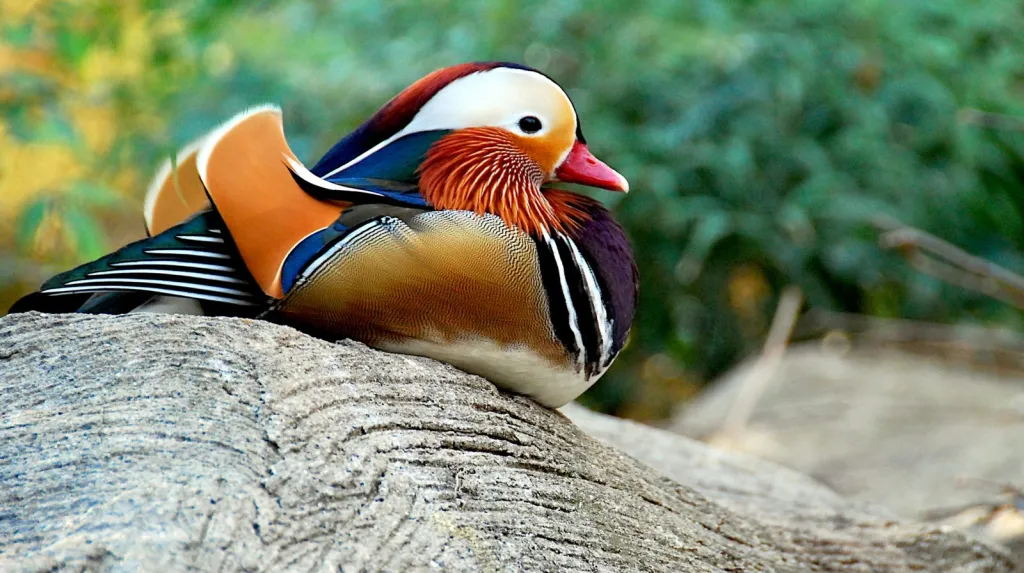
Wood ducks perch like songbirds, males a kaleidoscope of purple, green, and red. Mergansers—common, red-breasted, hooded—dive for fish, crested heads bobbing. These edge-dwellers add spice to hunts, often in wooded sloughs. Spotting a wood duck’s square tail in flight feels like finding buried treasure; they’re cavity-nesters, so scout old oaks.
Tools and Techniques for Spotting Waterfowl in the Field
Gear up right, and identification becomes second nature. Binoculars bridge the gap from “dot in the sky” to detailed view, while apps quiz you on calls. Field guides like the USFWS’s Ducks at a Distance are hunter bibles—free online at fws.gov. My kit? Compact 8×42 bins, a laminated cheat sheet, and earbuds for audio drills. Practice pays: Simulate hunts by ID’ing birds at a local refuge. It’s like training wheels for the blind.
Best Field Guides and Apps for Beginners
Start with Ducks at a Distance for flight-focused sketches—perfect for pass-shooting. The Cornell Lab’s Be a Better Birder course (academy.allaboutbirds.org) offers video breakdowns. Apps like DuckUnlimited’s Waterfowl ID pack photos, sounds, and quizzes; onX Hunt maps roosts and regs. I swear by the Merlin Bird ID app for quick scans—once pegged a scaup flock mid-drive.
- Pros of Apps: Instant access, interactive quizzes.
- Cons: Battery drain in cold; no substitute for glassing.
- Field Guide Edge: Offline reliability, tactile learning.
Scouting and Observation Tips
Scout pre-season: Drive backroads at dusk, noting roosts and feeds. Use eBird.org for migration maps—ebird.org—to predict pushes. Observe from afar with a truck blind; log weather’s pull—fronts drop birds like manna. A buddy’s tip saved my bacon: Glass from high ground to avoid spooking. It’s detective work, blending patience with pattern-spotting.
Bird Hunting Essentials: Regulations, Gear, and Ethics
Hunting waterfowl demands respect—for laws, limits, and the birds themselves. 2025-26 frameworks from the U.S. Fish and Wildlife Service (fws.gov) set seasons from Sept. 1 to March 10, with state tweaks. Bag limits? Six ducks daily, species-specific (e.g., no more than four mallards). Non-toxic shot mandatory—steel or bismuth. Ethics? ID before trigger; retrieve cripples. My code: If in doubt, pass. It’s not just right; it keeps seasons open.
2025-26 Hunting Regulations Overview
Federal frames allow 60-day duck seasons in most flyways, youth days nationwide. Check state sites like Washington’s WDFW (wdfw.wa.gov) for locals—e.g., Washington’s opener Oct. 18. Stamps required: Federal Duck Stamp ($25) plus state. Prohibited: Baiting, motorized decoys in some zones. Stay legal via the Migratory Bird Hunting app.
| Flyway | Duck Season Length | Goose Options |
|---|---|---|
| Atlantic | Up to 60 days | Canada: 15-30 days |
| Mississippi | 60 days | Snow: 107 days |
| Central | 45-60 days | White-fronted: Varies |
| Pacific | 107 days youth | Brant: Special seasons |
Essential Gear for Ethical Hunts
Beyond shotgun (12-gauge over/under for versatility), pack waders, calls, and decoys (6-12 for jump-shooting). Layout blinds for fields; calls mimic species—soft quacks for mallards. Where to get? Cabela’s for bundles, or local shops for custom. I upgraded to Avery blinds after a muddy flop—worth every penny for dry, stealthy sits.
Pros of Motion Decoys:
- Draw curious flocks fast.
- Mimic feeding frenzies.
Cons:
- Spook wary late-season birds.
- Battery woes in freezes.
Safety and Conservation in Practice
Hunt sober, wear blaze orange for upland crossovers, and know lead poisoning risks—stick to non-tox. Conservation? Join Ducks Unlimited (ducks.org) for habitat work. My story: A downed teal drifted into current; I waded chest-deep to fetch it, vowing never to waste. It’s emotional—these birds migrate continents; honor that.
Comparison: Dabbling vs. Diving Ducks for Hunters
Choosing targets? Dabblers suit shallows and decoys; divers demand deeper setups. Here’s a hunter’s breakdown:
| Aspect | Dabbling Ducks | Diving Ducks |
|---|---|---|
| Habitat | Marshes, ponds | Lakes, bays |
| ID Ease | Bold colors, white speculums | Subtle grays, rounded heads |
| Hunt Style | Jump-shoot, decoy spreads | Pass-shoot, diver rigs |
| Bag Appeal | Tasty table fare (mallard breasts) | Firmer texture (canvasback roasts) |
Dabblers edge for beginners—more forgiving flights. Divers challenge with dives, but reward with solitude on big water.
People Also Ask: Top Google Queries on Waterfowl ID
Pulled straight from search trends, these hit common curiosities.
How do I identify ducks in flight?
Focus on wing patterns and speed—teal blur fast with blue shoulders; mallards whistle steadily with white tails. Practice with Ducks at a Distance sketches for that “aha” moment.
What’s the difference between ducks and geese?
Ducks are smaller, shorter-necked, and dabble; geese larger, honk louder, and graze. Geese have 17-24 neck vertebrae vs. ducks’ 16—feel the anatomy next ID session.
Are there protected waterfowl species?
Yes—harlequin ducks and trumpeter swans face restrictions. Always check regs; mistaking one for a legal scaup could cost fines. Ethical rule: When unsure, don’t shoot.
Best time of day for spotting waterfowl?
Dawn and dusk peak activity—feeding flights. Midday loafing in roosts offers quieter views. I stake out evenings; fewer crowds, more magic.
How does weather affect waterfowl migration?
Cold fronts push ’em south; tailwinds speed travel. Track via eBird—storms concentrate birds like a magnet.
Waterfowl Hunting Tips for Beginners
New to the blind? Start simple: Scout public lands via onX Hunt app. Set modest decoys (J-hook for wind), call sparingly—feed chuckles draw ’em. Patience trumps perfection; my first solo limit came from stillness, not wizardry. Layer for wet chills, and laugh off misses—they’re tuition.
- Dress in camo layers; gloves for cold steel.
- Use calls post-shot to pull seconds.
- Retrieve ethically—dogs optional, but golden.
Pros of Public Hunting:
- Free access, diverse spots.
- Builds skills sans permission hassles.
Cons:
- Crowds; arrive predawn.
- Variable success; scout relentlessly.
FAQ: Real Questions from Fellow Hunters
Q: What’s the easiest waterfowl species to identify for beginners?
A: Mallards—their green heads and quacks are unmistakable. Start there on local ponds; build confidence before tackling teal lookalikes.
Q: Do I need a dog for bird hunting retrieves?
A: Not essential, but a game-changer for cripples in current. I trained my Lab young; she’s saved more ducks than I’ve dropped. Rent one if starting out.
Q: Where can I find free waterfowl identification resources?
A: USFWS’s Ducks at a Distance PDF (fws.gov) and Ducks.org galleries. Print and laminate for the field.
Q: How do regulations differ by state for 2025?
A: Core feds set frames, states tweak—e.g., Florida’s early teal Sept. 14-22. Check your wildlife agency’s site; apps like HuntStand sync updates.
Q: Best calls for mixed-bag hunts?
A: A versatile double-reed mallard for quacks, plus a whistle for pintails. Practice soft; overcalling spooks like a bad joke at dinner.
There you have it—the roadmap to nailing waterfowl IDs and ethical hunts. From that kid on the pond to guiding my own son now, it’s been a wild ride of misses, memories, and mallards. Grab your bins, hit the water, and let the skies surprise you. What’s your next hunt? Drop a line—I’d love to hear. Safe shots, tight lines.