Hey there, picture this: You’re standing on a windswept cliff in Maine, the Atlantic crashing below like it’s got a personal grudge against the rocks. Salt spray stings your face, and out of nowhere, a flock of gulls erupts in a chaotic ballet—screeching, diving, stealing fries from some poor beachgoer’s lunch. That’s my first real memory of seabirds, from a family camping trip gone sideways when a rogue wave soaked our tent. Little did I know, those “annoying” birds were the unsung heroes of the ocean, connecting distant shores in ways that still blow my mind. If you’ve ever wondered what makes these winged wanderers tick—from their epic migrations to the sneaky threats they’re facing—pull up a chair. I’ve spent years chasing them from foggy Pacific pelagics to Antarctic ice edges, binoculars in hand, and I’m here to share the good, the wild, and the worrying.
Seabirds aren’t just background noise to a seaside stroll; they’re nature’s ocean barometers, telling us if the seas are healthy or heading for trouble. With over 350 species gliding, diving, and pirouetting across the globe’s waters, they embody resilience and fragility in equal measure. From the albatross’s marathon glides to the puffin’s clownish beak stuffed with fish, these birds have evolved tricks that make engineers jealous. But here’s the hook: They’re vanishing faster than you can say “plastic straw,” and understanding why matters more than ever. Let’s dive in, shall we? No dry lectures here—just stories from the spray, facts that stick, and a nudge to care.
What Exactly Are Seabirds?
At their core, seabirds are any feathered friends who’ve committed to the marine life, spending chunks of their days foraging in saltwater and breeding near coasts or islands. Think penguins waddling on ice floes or terns plunge-diving like feathered missiles—these aren’t your backyard robins; they’re built for the big blue. Unlike landlubber birds, seabirds boast adaptations like salt-excreting glands above their eyes (no fresh water needed!) and webbed feet for paddling or propelling dives. But definitions get fuzzy; not all ocean-hangers like sea ducks count, and some, like phalaropes, play both sides by migrating over land. What unites them? A life intertwined with the sea’s rhythms, from tidal feasts to storm-tossed flights.
I remember spotting my first black-legged kittiwake off Newfoundland—its crisp white wings slicing through fog like a ghost ship. It hit me then: These birds aren’t visitors; the ocean is their world. Globally, they’re split into families like Procellariiformes (petrels and albatrosses, the long-haul flyers) and Charadriiformes (gulls, auks, the opportunistic hustlers). With about 360 species, they’re a motley crew, but all share that salty, soaring vibe. If you’re new to this, start simple: Next beach walk, scan for those that hug the waves. You’ll see why they’re the ocean’s pulse.
The Incredible Diversity of Seabird Species
Seabirds come in flavors wilder than a spice market—majestic gliders, stubby divers, pirate kleptos snatching snacks mid-air. From the 18 penguin species hailing mostly from the Southern Hemisphere to the 149 Procellariiformes ruling open oceans, diversity isn’t just skin-deep; it’s survival-tuned. Albatrosses, with wingspans up to 11 feet, rule the roost as dynamic soarers, while storm-petrels, the sea’s tiniest daredevils at swallow-size, patter across waves like skipping stones. Then you’ve got the show-offs: Frigatebirds inflating scarlet throat pouches to woo mates, or puffins juggling eels like circus acts. This variety stems from convergent evolution—same ocean challenges, different genius solutions.
Diversity keeps ecosystems humming, too. In the North Pacific, a single kelp forest might host shearwaters, murres, and jaegers, each carving a niche. But it’s not all postcard-perfect; many overlap, leading to dramatic chases. I’ve laughed watching skuas bully terns for a fish mid-flight—nature’s original con artists. With 31% of species threatened per IUCN stats, celebrating this rainbow means safeguarding it. Pro tip: Grab Peter Harrison’s Seabirds: The New Identification Guide (external link) for plates that’ll make you itch for a boat trip.
Albatrosses: Kings of the Endless Glide
These oceanic monarchs, with 21 species mostly in the Southern Hemisphere, lock wings into the wind for flights spanning thousands of miles without a flap—talk about efficient commuting. Black-browed and wandering albatrosses circle Antarctic waters, snagging squid on the surface with hooked bills. They’re long-lived legends; Wisdom, a Laysan albatross banded in 1956, was still nesting at 70+ in 2023. But their grace hides heartbreak—bycatch claims 100,000 yearly. Spot them trailing ships for scraps; it’s equal parts awe and alarm.
Penguins: The Antarctic Swimmers Extraordinaire
Forget tuxedo jokes; these 18 flightless pros “fly” underwater with flipper-wings, chasing krill at speeds topping 22 mph. Emperors endure -60°C blizzards to incubate eggs on feet, while gentoos build pebble nests like tiny proposals. Southern icons, they’re absent north of the equator (except zoos). Climate melt threatens their ice nurseries, but colonies like South Georgia’s 1.5 million pairs show pack power. I’ve shivered watching Adélies toboggan on bellies—pure joy in the freeze.
Gulls and Terns: The Coastal Comedians
Gulls (50+ species) are the adaptable opportunists, scavenging landfills or mobbing picnics, while terns (40 species) are elegant divers, hovering before arrowing into waves for fish. Laughing gulls cackle like hyenas; arctic terns migrate 44,000 miles yearly, seeing more daylight than any animal. They’re edge-dwellers, bridging sea and shore. Ever had your sandwich swiped? Blame their smarts—they’re evolution’s recyclers.
Where Seabirds Call Home: Habitats and Hotspots
Seabirds don’t own deeds, but they claim vast realms—from pelagic expanses where albatrosses roam 10,000 miles solo to cliffside colonies buzzing with auks. Most breed on predator-free islands or headlands, like New Zealand’s Fiordland where kākāpō echoes mix with petrel calls. Coastal shelves teem with upwellings feeding boobies, while Arctic tundras host ivory gulls year-round. Deep oceans suit shearwaters, diving 200 feet for lanternfish, but all tie back to land for nesting. These hotspots aren’t random; nutrient-rich currents like the Humboldt fuel mega-colonies.
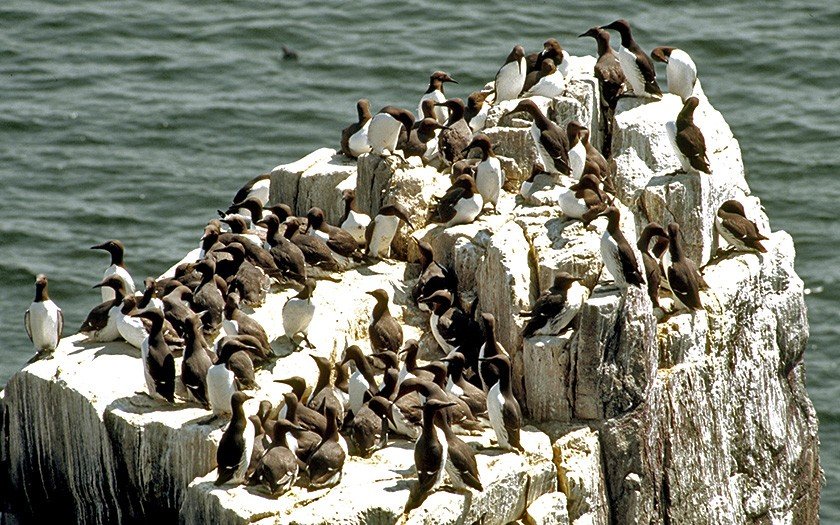
Hotspots shift with seasons—summer swells Svalbard’s guillemot cliffs to millions. I’ve kayaked Alaska’s Glacier Bay, dwarfed by murre rookeries that smell like a fish market exploded. For navigational intent, prime viewing spots include Monterey Bay Aquarium’s pelagic tours or Puffin Island, Wales. Protect these by supporting marine protected areas; without them, the map redraws empty.
Seabird Lifestyles: Foraging, Breeding, and Epic Journeys
Life at sea demands drama—seabirds forage via plunge (gannets hitting 60 mph), pursuit (penguins chasing herring schools), or piracy (frigatebirds mugging boobies). Breeding’s a spectacle: 95% colonial, with rituals like albatross sky-pointing dances or penguin pebble gifts. Chicks fledge after months of puke-fed fish, then bolt to sea solo. Migrations? Arctic terns loop Earth twice yearly; sooty shearwaters clock 40,000 miles. These aren’t vacations; they’re survival laps, tracking food webs.
One stormy Oregon pelagic, I watched storm-petrels dance on waves, snaring plankton—poetry in motion. Behaviorally, they’re K-strategists: Slow to mature, loyal pairs (divorce rare unless chicks fail). Trackers reveal patterns, like black-footed albatrosses circling Hawai’i. For tools, apps like Merlin Bird ID nail IDs on the go. It’s this rhythm that hooks you—endless, elemental.
Foraging Techniques: Masters of the Hunt
From surface-skimming phalaropes spinning plankton vortexes to cormorants herding fish with wings, techniques vary wildly. Pelicans corral schools in pouches; jaegers chase until prey drops lunch. Efficiency rules—energy saved on hunts funds breeding marathons. Humor alert: Puffins carry 10+ fish crosswise in beaks, looking like feathered sardine cans. Adapt or sink, that’s the sea’s motto.
Breeding Behaviors: Love, Nests, and Family Drama
Monogamy reigns (penguins for life), with elaborate courts: Skuas duel, tropicbirds stream tail feathers. Nests range from scrapes to burrows; emperors huddle eggs on feet through winters. Parental duty? Relentless—royal terns feed fledglings for months post-nest. Philopatry keeps kin close; Laysan albatrosses nest yards from birth spots. It’s tender chaos, colonies alive with squawks.
Migration Marvels: Global Nomads
No borders for these globe-trotters—manx shearwaters ping-pong Atlantic annually. GPS tags show routes hugging currents, dodging storms. Sooty’s figure-eight? 64,000 km/year. Climate scrambles paths, but resilience shines. Track via eBird, citizen science’s goldmine.
The Dark Side: Threats Facing Seabirds Today
Seabirds are canaries in the climate coal mine, populations down 70% since 1950s per studies. Bycatch hooks 300,000 yearly—lines trailing ships like death traps. Plastics? 90% ingest them, mistaking for jellyfish; “plasticosis” scars guts. Oil slicks mat feathers, dooming dives. Invasives ravage nests—rats on islands wipe chicks overnight. Overfishing starves colonies; heatwaves crash forage fish, as in 2015’s murre die-off (1 million starved).
My gut twisted seeing oiled guillemots in California—feathers like wet rags, eyes pleading. Climate amps it: Warmer seas shift prey, storms batter nests. Toxins bioaccumulate; DDT thinned eggshells historically. Half of species decline; 111 threatened, 20 critically. It’s a perfect storm, human-fueled.
| Threat | Impact on Seabirds | Example |
|---|---|---|
| Bycatch | Hooks/drowns 160,000-320,000 annually | Albatrosses trailing longlines |
| Plastics | Ingestion causes starvation/blockage | Laysan chicks fed bottle caps |
| Climate Change | Prey shifts, habitat loss | Puffin colonies crashing in Gulf of Maine |
| Invasives | Predate eggs/chicks | Rats on Chathams Islands halved petrel pops |
| Overfishing | Food scarcity | Cassin’s auklets starving off BC |
Pros of addressing threats: Ecosystem balance restored, fisheries sustainable. Cons: Costly (e.g., eradication ops), enforcement gaps in international waters.
Conservation Heroes: Saving the Seabird Squad
Hope’s in action—ACAP treaty curbs bycatch with weighted lines, night-setting. Island eradications work wonders: Rats gone from South Georgia, penguins rebound. Refuges like Farallons ban invasives; guano mining curbs protect Peruvian boobies. Tech shines: Drones map colonies, lights deter fledglings from cities. BirdLife’s task forces push RFMOs for gear tweaks.
Transactional nudge: Best tools? Swainson’s app for bycatch reporting, or donate to ABC’s seabird fund. I’ve joined cleanups; each bag of trash feels like a win. Globally, 70% loss reversed? Possible with grit.
Success Stories: Wins from the Frontlines
Ascension Island: Cats removed 2006, seabirds returned in droves—frigatebirds nesting atop. New Zealand’s Campbell Island: Rats eradicated 2006, populations boomed 30-fold. These prove intervention flips scripts.
What You Can Do: Everyday Allyship
Ditch single-use plastics; support sustainable seafood via Monterey Bay Aquarium’s guide. Beach clean, report oiled birds to USFWS. Vote for ocean protections—your ripple counts.
People Also Ask: Your Seabird Curiosities Answered
Google’s “People Also Ask” bubbles up real queries—here’s the scoop on top ones, snippet-optimized for quick hits.
What do seabirds eat?
Mostly fish, squid, krill—surface skimmers grab plankton, divers chase schools. Gulls scavenge anything; penguins gorge Antarctic krill. Diet dictates dives: Auks to 600 feet!
Where do seabirds live?
Open oceans, coasts, islands—pelagic like petrels roam deep blue, breeders crowd cliffs. Hotspots: Antarctica (penguins), North Atlantic (puffins). Some nest inland, like murrelets in forests.
Why are seabirds important?
Ecosystem engineers—guano fertilizes islands, controlling fish pops prevents booms/crashes. Indicators: Declines signal overfished seas or pollution. Humans? They guide fishermen to shoals historically.
How long do seabirds live?
Long-haulers: Albatrosses 50-60 years, gulls 20-30. Wisdom the albatross? 70+. Slow maturity means few chicks, heavy investment—resilient but vulnerable to hits.
Are seabirds endangered?
Yes, 31% threatened—albatrosses critically from bycatch. Overall pop down 70% since ’50s. Wins exist, but climate amps risks.
FAQ: Tackling Common Seabird Queries
Got questions? I’ve fielded these from tour groups to pub chats—straight talk, no fluff.
What is the most common seabird?
Gulls top charts—herring gulls blanket coasts worldwide, adaptable as cockroaches. In the U.S., common murres nest in mega-colonies off California, numbering millions. Easy spot: That beach beggar eyeing your chips.
How can I see seabirds without a boat?
Hit coastal trails: Cape May, NJ for migrants; Pemaquid Point, ME for eiders. Apps like eBird map hotspots. Pro: Binocs beat boats for vertigo-prone folks like me.
What’s the biggest threat to seabirds right now?
Bycatch—longlines kill 300k yearly. Plastics second; 60% species ingest. Solution? Push fisheries for streamers deterring birds. Small act: Choose pole-caught tuna.
Can I help conserve seabirds from home?
Absolutely—cut plastic use, advocate via BirdLife petitions. Track sightings on eBird; data fuels protection. Bonus: Plant native coastal shrubs for migrants.
Do all seabirds migrate?
Most do—arctic terns globe-trot, but tropical frigatebirds stay put. Exceptions: Galápagos penguins, equatorial holdouts. Migrations sync with fish runs; climate’s messing that clock.
Whew, we’ve covered oceans of ground—from those first gull dives to the fight keeping wings aloft. Seabirds remind me why we chase horizons: They’re free, fierce, and frankly, family to the sea. Next time you’re shore-side, tip your hat to a tern—it’s earned. Got tales or spots? Drop ’em; the flock grows together. Safe sails.