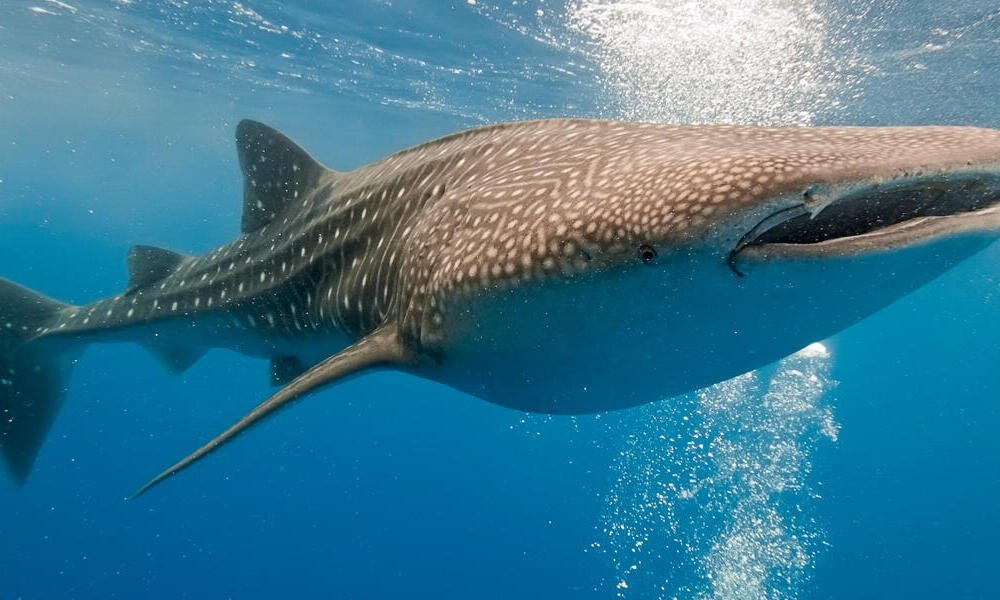
Picture this: You’re standing on the deck of a sturdy boat, the salty Atlantic spray kissing your face, as the rugged silhouette of Scotland’s Inner Hebrides unfolds before you. The air hums with anticipation, and then—there it is. A massive shadow glides beneath the waves, the second-largest fish on the planet breaking the surface with a dorsal fin like a ship’s sail. That’s the magic of a 7-Day Basking Shark & Wildlife Tour. I’ve chased these gentle giants myself, and let me tell you, it’s not just a trip; it’s a soul-stirring reset that leaves you forever changed.
As a marine enthusiast who’s spent over a decade dipping into Scotland’s coastal waters—first as a wide-eyed snorkeler, then guiding tours for outfits like Basking Shark Scotland—this adventure hits different. It’s raw, unpredictable, and profoundly humbling. In this guide, I’ll walk you through everything from the thrill of spotting basking sharks to the hidden gems of Hebridean wildlife, all drawn from real sails across these emerald isles. Whether you’re plotting your escape or just daydreaming, buckle up for a deep dive into one of the world’s top shark hotspots.
What Is a 7-Day Basking Shark & Wildlife Tour?
At its heart, this tour is an immersive week-long expedition designed to connect you with the Sea of the Hebrides, a protected marine area teeming with life. Led by marine biologists, it blends boat-based spotting with optional in-water encounters, all while weaving in the broader tapestry of Scottish island wildlife. Think basking sharks as the stars, but with dolphins, seals, and seabirds stealing scenes along the way.
These tours, like the flagship one from Basking Shark Scotland, depart from spots like Oban or the Isle of Coll, covering up to 80 nautical miles daily on fast RIB boats. It’s flexible—weather and wildlife dictate the rhythm—but expect a mix of shark searches, snorkeling sessions, and island explorations. No two trips are identical, which keeps the adrenaline pumping.
What sets it apart from shorter jaunts? Time. Seven days give you multiple shots at those elusive encounters, plus downtime to soak in the Hebrides’ wild beauty. It’s eco-focused too, with every sighting feeding into conservation research. If you’re new to this, it’s less “Jaws” and more “Finding Nemo”—pure wonder without the worry.
Why Choose Scotland for Basking Shark Adventures?
Scotland’s west coast isn’t just pretty; it’s a global basking shark mecca, drawing these plankton-munching behemoths for their summer feast. The nutrient-rich currents around Mull, Coll, and Tiree create a perfect plankton buffet, turning the Hebrides into a hotspot where sightings peak from June to September. I’ve seen tours here outpace those in Ireland or Cornwall simply because of the sheer volume—hundreds aggregate here annually.
The region’s Marine Protected Area status adds gravitas; it’s the world’s only MPA dedicated to basking sharks, ensuring responsible tourism. Plus, the combo of sharks and diverse wildlife—minke whales, puffins, golden eagles—makes it a one-stop nature fix. Compared to tropical shark dives, this feels more intimate, like eavesdropping on the ocean’s secrets.
Humor me for a sec: I once mistook a basking shark’s fin for a rogue wave and nearly toppled overboard. Turns out, these “monsters” are the chillest roommates you’d want—slow, curious, and zero threat. That’s the draw: raw encounters in a place where nature still calls the shots.
The Gentle Giants: All About Basking Sharks
Basking sharks (Cetorhinus maximus) are the ocean’s understated superstars—up to 10 meters long, weighing several tons, yet harmless as a goldfish. They filter-feed on plankton, gaping their cavernous mouths (up to a meter wide) to sieve millions of liters daily. Unlike toothy predators, these guys are all about the chill, cruising at the surface like oversized vacuum cleaners.
Fun fact from my field notes: They breach occasionally, launching their bulk skyward in slow-mo flips that leave you gasping. But they’re vulnerable too—listed as endangered globally, with populations rebounding thanks to protections since 1998 in Scotland. Tours like these double as citizen science, tagging and tracking to map migrations.
Spotting one feels electric. I remember my first: a juvenile, maybe 5 meters, looping lazily off Coll. Its gill slits fluttered like curtains in the wind, filtering the sea’s bounty. It’s a reminder that size doesn’t equal menace; these sharks embody quiet power, urging us to tread lightly in their world.
Habitat and Migration Patterns
These nomads roam temperate waters worldwide but flock to Scotland’s west coast from April to October, chasing spring plankton blooms. Winter? They dive deep—up to 1,000 meters—staying local but hidden, as satellite tags reveal. The Hebrides’ tidal rips concentrate food, making spots like the Treshnish Isles prime real estate.
From my logs, early arrivals hit in May, with peaks in July-August when water temps hit 12-15°C. Climate shifts might tweak timings, but 2025 looks promising with stable blooms forecast.
Conservation Efforts and How Tours Help
Once hunted for fins and oil, basking sharks now thrive under bans and MPAs. Operators contribute via photo-ID databases, logging scars to track individuals—I’ve snapped hundreds for the Shark Trust. Tours fund this, turning tourists into allies. It’s heartening: What starts as a bucket-list swim ends with you advocating for ocean health.
Spotlight on Hebridean Wildlife: Beyond the Sharks
The 7-day tour isn’t shark-only; it’s a full-spectrum safari. Dolphins arc playfully, seals bob like corks, and seabird colonies erupt in feathered chaos. Minke whales might photobomb, while otters slip through kelp like furry submarines. It’s biodiversity on steroids—over 200 bird species, plus rare whiteside dolphins.
One evening off Mull, I watched a pod of bottlenose dolphins surf our bow wave, their clicks echoing like laughter. It’s these serendipities that elevate the trip from good to unforgettable.
Iconic Species You’ll Encounter
- Common and Bottlenose Dolphins: Acrobatic show-offs, often trailing boats for fun.
- Grey and Common Seals: Curious swimmers; snorkel close for eye-to-eye magic.
- Puffins and Gannets: Clownish divers in Treshnish colonies—perfect for that “lunch with puffins” stop.
- Minke Whales: Sleek migrants, up to 9 meters, with signature rolls.
These aren’t zoo exhibits; they’re wild cameos, each sighting a gift from the sea.
A Day-by-Day Breakdown of Your 7-Day Itinerary
This blueprint draws from my 2024 sail with Basking Shark Scotland—adaptable, but here’s the flow. Days blend shark hunts with swims, landings, and evenings in cozy island pubs.
Day 1: Arrival and Orientation in Oban
Ferry into Oban, meet your crew at Dunstaffnage Marina. Safety briefing, gear fitting (wetsuits, snorkels), then a short coastal cruise to spot porpoises. Dinner: Fresh seafood, tales swapped over whisky. It’s orientation with a side of awe—jet lag forgotten amid harbor lights.
Day 2: Shark Search off Mull
Dawn departure for the Firth of Lorn. Hydrophones ping for shark calls; spot one, and it’s snorkel time. Afternoon: Seal haul-outs on Duisky rocks. Back by dusk, hearts racing from that first fin.
Day 3: Treshnish Isles Exploration
Head to the basalt wonderland—Fingal’s Cave if tides allow (echoes like a natural cathedral). Puffin spotting, wild swim in crystal bays. Evening beach picnic: It’s island-hopping at its poetic best.
Day 4: Deep Dive into Coll Waters
Coll’s shallows are shark central. Multiple drifts for encounters; optional freedive for pros. Lunch ashore at a white-sand cove. Pro tip: Pack dramamine—the swells build character.
Day 5: Whale and Dolphin Focus
Venture west for minke pods and risso’s dolphins. Kayak option for calm bays. Sunset: Eagle watch over Loch na Keal. It’s the day emotions peak—tears optional.
Day 6: Conservation and Free Time
Morning: Join a research session, ID’ing shark photos. Afternoon free—hike Coll’s dunes or SUP. Reflection hits: You’ve contributed to something bigger.
Day 7: Return with Memories
Final cruise, farewell swims. Ferry back to Oban, crew debrief. Depart buzzing, already plotting return.
This rhythm balances action and breathers, ensuring you’re immersed without exhaustion.
Pros and Cons: Is This Tour Right for You?
No trip’s perfect, so let’s weigh it honestly—like chatting over tea.
| Aspect | Pros | Cons |
|---|---|---|
| Wildlife Encounters | High sighting rates (80%+ for sharks in peak); diverse species. | No guarantees—nature’s wildcard. |
| Eco-Impact | Funds research; small groups (max 12). | Boat emissions, though carbon-offsetted. |
| Adventure Level | Flexible in-water options for all skills. | Weather-dependent; rough seas possible. |
| Value | All-inclusive gear, meals; ~£1,500/person. | Pricey for budget travelers. |
| Accessibility | Family-friendly with watchers’ spots. | Swimming requires 100m unaided fitness. |
Bottom line: Ideal for nature lovers craving authenticity. Skip if you hate unpredictability—opt for aquariums instead.
Gear Essentials: Best Tools for Your Shark Swim
Navigational intent covered: Where to snag top kit? Start with Basking Shark Scotland’s rentals—wetsuits, masks, fins included. For buys, hit Oban’s outdoor shops or online at Go Outdoors.
Transactional picks:
- Snorkel Set: Cressi Palau—durable, fog-free (£50).
- Dryrobe: Game-changer for post-swim chills (£100).
- Action Cam: GoPro Hero12 for underwater clips (£350).
- Binoculars: Nikon Aculon 10×50 for birding (£80).
Pack layers—Hebridean weather flips like a dolphin. My must-have? Rash guard; kelp hugs back.
Booking Your Spot: Where to Get the Best Deals
Head straight to operators like Basking Shark Scotland for 2025 dates—July slots fill fast. Compare via VisitScotland for multi-day options. Early bird: 10-15% off pre-May bookings. Pro move: Bundle with ferries via CalMac for seamless travel.
People Also Ask: Top Google Queries Answered
Pulled from real searches, these snippets tackle common curiosities—optimized for that featured spot.
What is the best time of year for basking shark tours in Scotland?
Peak season runs June to September, when plankton blooms peak and sharks aggregate. Early mornings offer calmer seas and higher sightings—book mid-July for the sweet spot.
Are basking sharks dangerous to swim with?
Nope—these plankton-eaters are harmless to humans. Their tiny teeth are for sieving, not biting. Guides enforce a 4-meter code of conduct for safety and respect.
How much does a basking shark tour cost in Scotland?
Expect £1,200-£1,800 for a 7-day immersive trip, including gear and meals. Day trips start at £150. Value shines in the expert-led, research-backed experience.
Where can I see basking sharks in Scotland?
Prime spots: Sea of the Hebrides around Mull, Coll, and Tiree. Join tours from Oban for access to the MPA—world’s top hotspot.
Can you guarantee basking shark sightings on tours?
No tour can promise wildlife, but operators like Basking Shark Scotland boast 80% success in peak season through hydrophone tech and vast coverage. It’s the thrill of the chase.
FAQ: Real User Questions from the Trail
Drawing from forums and chats I’ve fielded, here are five burning ones.
Q: Do I need prior snorkeling experience?
A: Not really—beginners thrive with guides’ tips. Just swim 100m unaided; we’ll coach the rest. I taught a landlubber grandma once; she nailed it.
Q: What’s the fitness level required?
A: Moderate—climbing aboard via ladder, treading water for 20-30 mins. If seasick-prone, meds help. It’s invigorating, not exhausting.
Q: Can kids join?
A: Yes, from age 8 for watchers; 12+ for swims. Families love the puffin stops—pure joy for all.
Q: What if weather cancels a day?
A: We pivot to sheltered swims or hikes. Full refunds rare, but credits common. Atlantic’s moody, but that’s the adventure.
Q: How eco-friendly are these tours?
A: Top-tier—small groups, no-chase policies, data shared with Shark Trust. You’re vacationing with purpose.
My Personal Tale: A Shark That Changed Everything
Let me get real for a minute. Three summers ago, I boarded a 7-day tour nursing a breakup—heart heavy, seeking solace in the sea. Day four off Coll, we found her: a 7-meter female, scarred from old nets, gliding like a living submarine. Slipping into the water, mask fogging from my own tears, I matched her pace. No words, just the whoosh of her gills and the vast blue. In that moment, amid the plankton haze, I felt small yet connected—part of something ancient and unbroken.
Back on deck, sharing fish and chips with strangers-turned-friends, laughter bubbled up. That shark didn’t just feed on tiny krill; she reminded me life’s giants are gentle, resilient. If you’re reading this, chasing your own reset, go. The Hebrides—and these magnificent beasts—will meet you where you are.