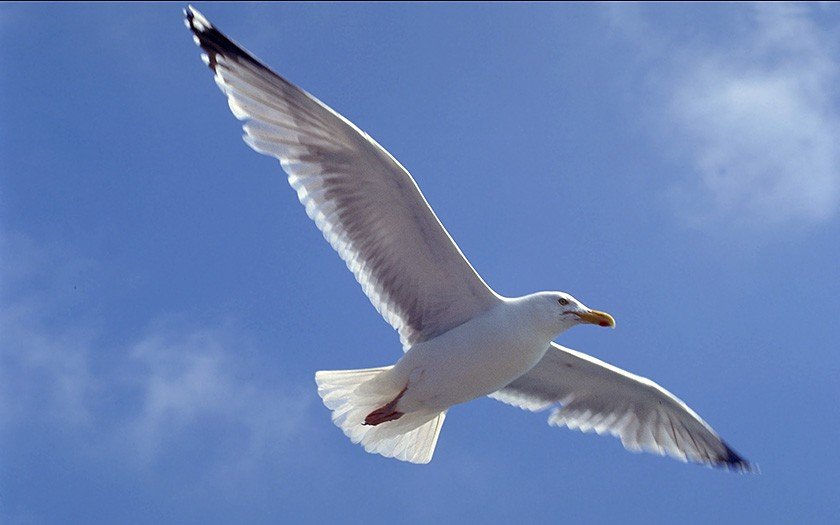
Hey there, fellow ocean lover. Picture this: I’m standing on a windswept cliff in Maine, binoculars glued to my eyes, watching a flock of Atlantic puffins bob on the waves like feathered corks. The salt air stings my face, and I can’t help but grin—these little clowns of the sea, with their rainbow beaks stuffed full of fish, make you forget the chill. That moment, years ago during a family birding trip, hooked me on seabirds forever. They’re not just birds; they’re the ultimate survivors of the wild blue yonder, connecting us to the ocean’s heartbeat. In this deep dive, we’ll explore everything from their quirky habits to the battles they’re fighting—and yeah, how you can spot them without needing a boat. Let’s soar into it.
What Are Seabirds? A Quick Definition
Seabirds are those tough-as-nails feathered friends that make the ocean their playground, from majestic albatrosses gliding like kites to stubby puffins diving like feathered submarines. They’re a loose group of about 350 species across orders like Procellariiformes (think petrels and shearwaters) and Charadriiformes (gulls and terns), all adapted to salty seas rather than sweet freshwater. Unlike your backyard robin, these guys forage in saltwater, nest in colonies that can number in the millions, and migrate distances that would make a marathon runner weep.
What sets them apart is their resilience—special glands above their eyes drip out excess salt like tiny faucets, keeping them hydrated on a seafood diet. But they’re picky about land; most breed on remote islands to dodge predators, turning those spots into guano-fueled greenhouses that boost local plants. I’ve always thought of them as the ocean’s ambassadors, linking sky, sea, and shore in ways that remind us how fragile it all is.
The Diversity of Seabird Species
Seabirds come in all shapes and sizes, from the pint-sized least storm-petrel (barely bigger than a sparrow at 4 inches) to the wandering albatross with a 11-foot wingspan that could shade a picnic table. This variety isn’t random; it’s evolution’s answer to carving out niches in the vast, unforgiving sea. Penguins waddle in the Southern Hemisphere as flightless divers, while northern alcids like murres “fly” underwater with wings built for propulsion.
Diversity shines in their families too—suliforms include plunge-diving gannets that hit the water at 60 mph, and larids cover opportunistic gulls scavenging beach picnics alongside elegant terns that hover like helicopters before snatching fish. Each group’s quirks make the ocean a living mosaic. Remember that time I mistook a shearwater for a falling coconut on a California beach hike? Turns out, those “flying fish” are pros at skimming waves, proving seabirds’ adaptability is as endless as the horizon.
Major Families of Seabirds
Procellariiformes, the tubenoses, dominate with albatrosses, petrels, and shearwaters—tube-nosed wonders that smell fish from miles away thanks to oily nostrils. These long-haul migrants rule the open ocean, with species like the black-footed albatross logging 10,000 miles non-stop.
Suliformes bring the drama: cormorants chase fish underwater like black arrows, while frigatebirds pirate snacks from other birds mid-air, inflating red throat pouches to woo mates in aerial ballets.
Charadriiformes round it out with gulls, terns, and auks—versatile coastal dwellers from dumpster-diving herring gulls to burrow-nesting puffins raising single chicks in cliffside tunnels.
Iconic Species Spotlight
The Atlantic puffin (Fratercula arctica) steals hearts with its clownish bill, hauling up to 10 herring in one go like a feathered fisherman—perfect for family photos, but they’re vulnerable to overfishing.
Wandering albatross (Diomedea exulans) embodies grace, soaring for hours without flapping, but their slow breeding (one chick every two years) makes them sitting ducks for longline hooks.
Arctic tern (Sterna paradisaea) wins the migration marathon, traveling 44,000 miles yearly from pole to pole, chasing endless summer daylight—talk about commitment issues solved.
Adaptations: How Seabirds Thrive in the Salty Wild
Seabirds aren’t built for the beach; they’re engineered for the deep blue, with waterproof plumage that traps air like a dry suit and countershading—dark backs, light bellies—to vanish against sea and sky. Their beaks are toolsheds: hooked for tearing squid, serrated for gripping fish, or pouched like pelicans’ for bulk hauls. And those wings? Narrow and stiff for albatrosses’ dynamic soaring, or stubby flippers for penguins’ torpedo dives up to 300 feet.
These traits let them conquer extremes, from Antarctic blizzards to tropical squalls. I once watched a brown pelican off Florida fold its wings mid-dive, crashing through waves like a feathered torpedo—pure poetry that left me whooping on the sand. But adaptations come at a cost; they’re specialists in a changing world, where warmer waters scramble their prey playlists.
Habitat and Migration: Nomads of the Waves
Seabirds call the open ocean home for 90% of their lives, foraging over pelagic zones far from land, but they anchor to coastal cliffs, islands, or even floating ice for breeding. Habitats vary: tropical terns favor coral atolls, while subantarctic penguins huddle on windy shores. Colonies are social hubs, buzzing with calls that echo like a feathered stock exchange, but they’re picky—predator-free spots like the Farallones off California draw millions.
Migration is their superpower. Many cross hemispheres seasonally, using Earth’s magnetic field like a GPS and riding trade winds for fuel-free flights. The sooty shearwater circles the Pacific yearly, a 40,000-mile loop that’s the avian equivalent of a gap year on steroids. During a foggy dawn patrol in Oregon, I traced a line of southbound murres hugging the coast—reminders that these wanderers stitch global ecosystems together, one flap at a time.
Breeding Colonies Around the World
The Galápagos Islands host waved albatrosses in dusty clearings, their mating dances a clumsy tango of bill-clacking.
New Zealand’s Snares Islands teem with sooty shearwaters, burrowing under ferns in densities that turn forests into bird cities.
Alaska’s Pribilof Islands shelter least auklets by the millions, their guano enriching seas with nitrogen boosts for fish.
Feeding Behaviors: Hunters of the Deep
Seabirds are the ocean’s top chefs, whipping up meals from krill swarms to flying fish with techniques as varied as a sushi menu. Surface skimmers like storm-petrels patter on waves, pecking plankton like dainty dips, while plunge-divers such as boobies arrow from 100 feet up, stunning prey on impact. Pursuit divers like cormorants torpedo after schools, holding breaths for minutes, and kleptoparasites—frigatebirds—swoop in to mug terns mid-meal.
Their diets mirror ocean health: fish-heavy for alcids, squid-focused for petrels. In a hilarious twist, gulls have gone gourmet, raiding trash for fries—evolution’s fast-food lane. On that Maine trip, a gull photobombed my puffin shot with a stolen sandwich; it was a reminder that seabirds’ feasts sustain not just them, but the food webs we all rely on.
- Plunge-diving pros: Gannets hit speeds of 60 mph, eyes protected by nictitating membranes.
- Klepto kings: Frigatebirds steal 40% of meals, saving energy for those sky shows.
- Filter feeders: Prions sieve krill through comb-like fringes, like whale-sized baleen in bird form.
Breeding and Life Cycles: From Egg to Empty Nester
Seabirds play the long game in reproduction, often waiting years to breed and laying just one egg per season to pour energy into a single chick. Courtship is spectacle central: albatrosses moonwalk in circles, puffins gift fish-wrapped “love socks,” and frigatebirds balloon scarlet sacs like feathered valentines. Nests range from scraped pebbles to elaborate burrows, guarded fiercely in colonies where mobbing deters foxes or gulls.
Chicks fledge slowly—puffins take six weeks of fish deliveries—ensuring survival odds. Lifespans stretch 20-50 years, with banded birds outliving grandkids. It’s this investment that tugs at me; watching a tern shade its fuzzy chick from the sun feels like peeking at nature’s nursery, full of hope amid the odds.
Courtship Rituals That’ll Make You Blush
Albatrosses’ “sky dance” involves synchronized calls and wing spreads, lasting hours under starry skies.
Terns “sky-point,” bills skyward in V-formations, a group serenade for singles.
Penguins propose with pebbles, the shinier the better—rock bottom romance.
Human Interactions: Friends, Foes, and Folklore
Seabirds and humans go way back, from Indigenous harvesters sustainably netting sooty shearwaters in New Zealand to sailors spotting albatrosses as land beacons. Folklore paints them as omens: the albatross in Coleridge’s Rime of the Ancient Mariner curses a killer mariner, birthing the “albatross around your neck” idiom. Gulls star in Hitchcock’s The Birds, turning beachgoers into feathered frenzy fodder—chilling, but it spotlighted their smarts.
Today, ecotourism booms: puffin cruises in Iceland draw crowds, funding conservation. But it’s bittersweet; my foggy Oregon guillemot flock was shadowed by distant fishing boats, a nudge that our paths cross for better or worse.
Threats Facing Seabirds Today
Seabirds are canaries in the ocean coal mine, with global populations down 70% since the 1950s from stacked threats like climate shifts scrambling fish stocks and invasive rats devouring eggs on islands. Bycatch in longline fisheries hooks 100,000 albatrosses yearly, while plastic pollution—ingested as “food”—clogs 60% of species’ guts. Oil spills mat feathers, turning waterproof wonders into sitting ducks for hypothermia.
It’s heartbreaking; that Maine puffin colony I loved? Overfishing thinned their herring buffet, forcing longer foraging trips. Yet, their declines scream for action—seabirds mirror our marine mess, urging us to clean it up before the skies empty.
Top Threats Breakdown
| Threat | Impact | Example Species Affected |
|---|---|---|
| Bycatch in Fisheries | Drowns hooked birds; 300,000+ deaths/year | Albatrosses, shearwaters |
| Invasive Predators | Eats eggs/chicks; wipes colonies | Puffins, petrels |
| Climate Change | Warms waters, shifts prey; floods nests | Arctic terns, murres |
| Plastic Pollution | Starves via false fullness; entangles | Gulls, fulmars |
| Overfishing | Reduces food; starves breeders | Penguins, boobies |
Pros and Cons of Current Mitigation Efforts
Pros:
- Eradication programs restore islands, boosting populations 200% in cases like New Zealand’s rat-free havens.
- Bird-scaring lines on boats cut bycatch 80%, saving thousands annually.
- International treaties like ACAP unite 13 nations for albatross safeguards.
Cons:
- High costs limit global reach; only 1% of oceans are protected marine areas.
- Climate threats outpace fixes, with rising seas drowning low-lying colonies.
- Poaching persists in remote spots, evading enforcement.
Conservation Efforts: Heroes on the Front Lines
From grassroots island cleanups to global pacts, conservation is a relay race seabirds desperately need. The Agreement on the Conservation of Albatrosses and Petrels (ACAP) mandates hook-shielding tech, slashing deaths, while groups like the American Bird Conservancy fence off predator-proof zones in Hawaii. Social attraction—decoys and speakers mimicking calls—lured puffins back to Maine’s Eastern Egg Rock after a century’s absence, a feel-good win that still gives me chills.
Volunteers band birds, track migrations via satellites, and lobby for bycatch bans. It’s collaborative magic: fishermen, scientists, and locals turning the tide. One chuckle-worthy effort? “Bird-scaring burley” mixes fish oil with streamers to distract gulls from lines—like a feathered diversion dance party.
- Track and map: GPS tags reveal hotspots, guiding protected zones.
- Habitat heroes: Remove invasives from 100+ islands, reviving burrows.
- Policy pushes: Advocate for 30×30 ocean protection by 2030.
Best Places to See Seabirds: Your Viewing Guide
Spotting seabirds doesn’t require a yacht—just the right coastal perch. For informational seekers wondering “where to see seabirds,” start with accessible hotspots; navigational intent met with maps and tips. Transactionally, book guided tours for “best seabird watching experiences” via Audubon Society trips or NOAA sanctuary cruises.
From cliffs to kayaks, these spots deliver drama without seasickness.
Top Global Hotspots
| Location | Star Species | Best Time | Accessibility Tips |
|---|---|---|---|
| Farne Islands, UK | Puffins, arctic terns | May-Aug | Boat tours; £20 entry |
| Kaikoura, New Zealand | Albatrosses, petrels | Year-round | Whale-watch add-ons; easy coastal walks |
| Monterey Bay, CA, USA | Murres, guillemots | Spring | Kayak rentals; free lighthouse views |
| Svalbard, Norway | Ivory gulls, little auks | Summer | Cruise ships; polar bear guards required |
| Galápagos, Ecuador | Blue-footed boobies, frigatebirds | Dec-May | Guided hikes; national park fees apply |
My Maine cliff? Part of Project Puffin’s network—check their site for similar restores.
People Also Ask: Seabird Edition
Google’s “People Also Ask” bubbles up real curiosities—here’s the scoop on top queries, optimized for those quick-answer snippets.
What is a seabird simple definition?
A seabird is any bird evolved for marine life, feeding in saltwater and often nesting in coastal colonies. Examples include gulls, albatrosses, and penguins, all with adaptations like salt glands for drinking seawater.
Why are seabirds important to the environment?
Seabirds recycle nutrients from sea to land via guano, fertilizing islands and boosting fish populations. They indicate ocean health, signaling issues like overfishing early.
Where can I see seabirds?
Prime spots include California’s Farallones for murres or Iceland’s Látrabjarg cliffs for puffins. For U.S. easy access, try Cape May, NJ’s seawatch or Oregon’s Yaquina Head.
How do seabirds affect humans?
They guide fishermen to fish stocks and inspire folklore, but threats like bycatch impact fisheries. Ecotourism from viewing them generates millions yearly.
What do seabirds eat?
Mostly fish, squid, and krill, caught via diving, plunging, or skimming. Gulls opportunistically snag human scraps too—beach picnic peril!
FAQ: Your Seabird Questions Answered
What are the best tools for seabird watching?
Start with quality binoculars like Vortex Diamondbacks (£150) for crisp views, plus apps like Merlin Bird ID for instant IDs. For pros, a spotting scope like Celestron Regal (£300) spots distant colonies—pair with eBird for real-time sightings.
How can I help conserve seabirds from home?
Cut plastic use to curb ocean trash, support orgs like BirdLife International via donations, and advocate for sustainable fishing. Simple: pick up beach litter—I’ve filled buckets on walks, feeling like a feathered hero.
Are all seabirds endangered?
No, but nearly half are declining; 1 in 3 faces extinction per IUCN. Common gulls thrive, but albatrosses teeter from bycatch.
What’s the funniest seabird behavior?
Frigatebirds inflating throat pouches like red balloons during mating—pure avian comedy gold. Or puffins’ “billing,” rubbing beaks like an awkward first date.
Can seabirds live in captivity?
Rarely; most rehabbed for release. Zoos house penguins, but wild souls like albatrosses suffer in cages—better to support sanctuaries.
There you have it—the salty saga of seabirds, from their aerial acrobatics to the fights we must win for them. That Maine cliff memory? It drives me to share this, hoping you’ll grab binoculars and join the watch. These birds aren’t just survivors; they’re storytellers of the sea, whispering warnings and wonders. What’s your first seabird spot? Drop a line—let’s keep the conversation flying.