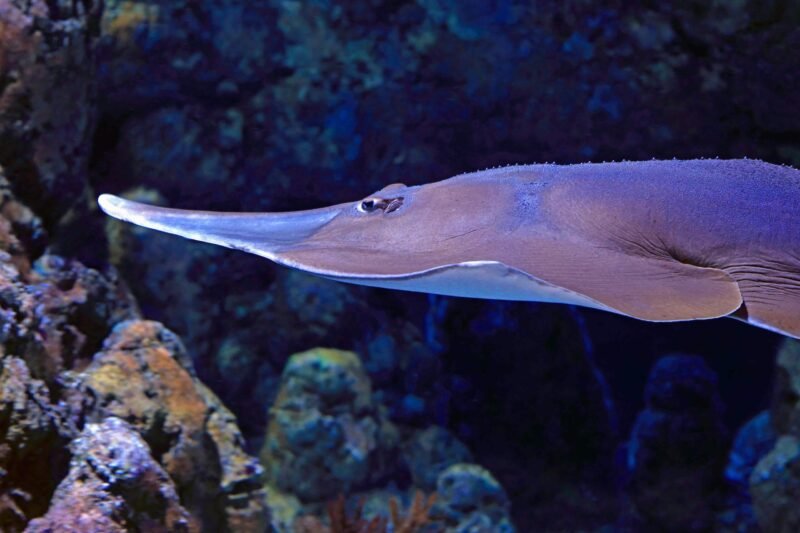
Imagine gliding through crystal-clear turquoise waters off the coast of Hawaii, your snorkel mask fogging just a bit from the excitement. Suddenly, a massive shadow passes overhead—like a UFO from the deep blue, but way more graceful. That’s a manta ray, one of the ocean’s true showstoppers. I remember my first encounter vividly; I was on a whim dive trip in my early twenties, and that gentle giant somersaulted right over me, close enough to see the tiny plankton swirling in its wake. It felt like the sea was sharing a secret, reminding me how small we are in this vast underwater world. Sea rays, with their diamond-shaped bodies and hypnotic wing-like flaps, aren’t just cool—they’re essential players in marine ecosystems. This week, we’re diving deep into these incredible creatures, from their quirky habits to why you should add a ray-spotting adventure to your bucket list.
What Exactly Are Sea Rays?
Sea rays belong to the superorder Batoidea, a group of flattened cartilaginous fish that includes over 600 species worldwide. Often mistaken for sharks’ laid-back cousins, they glide through oceans with pectoral fins that look like wings, earning them nicknames like “flying pancakes” among divers. These aren’t your average fish; their skeletons are made of flexible cartilage, not bone, which lets them pull off those acrobatic flips that leave us gawking.
Unlike bony fish, sea rays breathe through spiracles—small holes behind their eyes that pull in oxygenated water. This setup is perfect for bottom-dwellers, but species like mantas take it to the pelagic level, soaring mid-water. If you’ve ever wondered why they seem so serene, it’s evolution at work: streamlined bodies for efficient cruising, from shallow reefs to deep abyssal plains.
The Diversity of Sea Ray Species
From the reef-hugging stingrays to the open-ocean manta giants, sea rays come in a rainbow of shapes and sizes. There are four main orders: Myliobatiformes (think eagle and manta rays), Rajiformes (skates and guitarfish), Pristiformes (sawfish), and Torpediniformes (electric rays). Each family has adapted uniquely to its niche, making the ocean floor a bustling ray neighborhood.
Take the eagle rays, with their vivid spotted patterns—they’re like the extroverts of the group, leaping out of the water in dramatic displays. Then you’ve got skates, which lay eggs in leathery cases called mermaid’s purses, a far cry from the live-birth strategy of most stingrays. This variety isn’t just eye candy; it highlights how rays have conquered diverse habitats over 150 million years.
Spotlight on Manta Rays
Manta rays are the rock stars of the sea ray world, with wingspans stretching up to 23 feet and weights hitting 3,000 pounds. These filter-feeders cruise with mouths agape, scooping up plankton like living vacuum cleaners. I once watched a school of them barrel-roll in a cleaning station off Indonesia, letting tiny fish nibble parasites off their bellies—nature’s spa day, ray-style.
Their cephalic fins, those horn-like lobes on their heads, funnel food right into their gills, a clever hack for munching microscopic meals. Sadly, their size makes them vulnerable; populations have dropped 50% in some areas due to bycatch. But conservation efforts, like those by the Manta Ray & Whale Shark Research Centre, are turning the tide.
The Enigmatic Stingrays
Stingrays, often lumped in with all sea rays, are the bottom-feeders extraordinaire, using electroreception to detect buried prey like clams and shrimp. With eyes on top and mouths underneath, they “fly” just above the sand, blending in like living camouflage rugs. That infamous tail barb? It’s a defensive stinger loaded with venom, but attacks on humans are rare—Steve Irwin’s tragedy was a freak exception.
These guys give birth to live pups after internal egg development, up to 10 at a time. Fun fact: some species, like the round stingray, can change color to match the seafloor, pulling off a chameleon act that’s equal parts sneaky and impressive. If you’re snorkeling in shallow tropics, shuffle your feet to avoid startling one—it’s polite, and it’ll save your toes.
Anatomy and Adaptations: Built for the Blue
Sea rays’ bodies are engineering marvels, optimized for life in fluid motion. Their flattened disc shape reduces drag, while the tail provides steering and, in some cases, defense. Cartilage keeps them lightweight yet sturdy, allowing leaps that can clear the water by several feet—eagle rays are pros at this, often to shake off parasites or just for the thrill.
Sensory superpowers set them apart too. Ampullae of Lorenzini detect electric fields from hidden prey, like a built-in metal detector. And those spiracles? They let rays breathe without sucking up sand, a must for benthic hunters. Evolution has fine-tuned them into silent gliders, but climate change threatens warmer waters that could disrupt their plankton feasts.
Habitat and Migration Patterns
Sea rays call tropical and subtropical waters home, from coral reefs to sandy bays and even deep-sea slopes. Mantas prefer nutrient-rich currents for their plankton diet, migrating thousands of miles along ocean gyres. Stingrays stick closer to coasts, burrowing in estuaries where food is plentiful but predators lurk.
Seasonal shifts are key; in places like the Great Barrier Reef, rays aggregate for breeding, turning quiet coves into ray parties. Human impacts, like coastal development, squeeze these habitats, but protected areas like marine sanctuaries offer hope. Tracking studies via satellite tags reveal their wanderlust— one manta logged 12,000 miles in a year, a reminder of how connected our oceans really are.
Tropical Hotspots for Ray Encounters
The Indo-Pacific reigns supreme for ray diversity, with Indonesia’s Coral Triangle boasting over 200 species. Hawaii’s Kona coast is manta central, where night dives draw crowds to watch bioluminescent plankton light up their feeds. Closer to home for U.S. folks, Florida’s keys host southern stingrays in seagrass meadows.
For deeper dives, Mexico’s Revillagigedo Islands see oceanic mantas year-round. These spots aren’t just pretty; they’re biodiversity banks, where rays help maintain healthy reefs by controlling invertebrate populations.
Behavior and Social Quirks
Rays aren’t loners—they form loose schools for feeding or mating, with mantas performing synchronized somersaults that look choreographed. Courtship involves males shadowing females in “trains,” nipping gently to win favor. It’s romantic, in a fishy way, and often ends in a pup after a 12-month gestation.
Humor alert: ever seen a ray “fly” out of the water? It’s their version of a mic drop, sometimes scaring beachgoers into thinking it’s a shark. But mostly, they’re chill; studies show mantas recognize individual divers, returning to familiar cleaning stations like old pals. This social savvy hints at high intelligence, with brains larger than many reef fish.
Feeding Frenzies and Foraging Tricks
Mantas barrel through plankton blooms, filtering up to 6,000 pounds of water hourly through gill rakers like a whale shark mini-me. Stingrays, meanwhile, crush mollusks with plate-like teeth, vacuuming sand for snacks. Both conserve energy masterfully—rays can go weeks without eating during lean times, a survival edge in unpredictable seas.
These behaviors ripple outward; by aerating sediment, stingrays boost nutrient cycling, benefiting seagrass health. It’s a subtle heroism, one flap at a time.
Conservation Challenges Facing Sea Rays
Poaching for gill plates in traditional medicine has decimated manta populations, with fins fetching high black-market prices. Byccatch in tuna nets drowns thousands yearly, while habitat loss from trawling shreds nursery grounds. The good news? CITES protections since 2013 have curbed trade, and eco-tourism funds research.
Local heroes like Ray of Hope in Indonesia patrol waters, releasing bycaught rays with GPS tags. Individuals can help too—choose sustainable seafood via Monterey Bay Aquarium’s Seafood Watch and support bans on gill plate sales. Every dive dollar spent responsibly counts.
Pros and Cons of Ray Tourism
| Aspect | Pros | Cons |
|---|---|---|
| Economic Impact | Generates millions for coastal communities, funding patrols and education. | Overcrowding stresses rays, altering natural behaviors. |
| Awareness Building | Tourists become advocates, boosting conservation donations. | Flash photography harasses sensitive eyes and skin. |
| Sustainability | Regulated tours limit group sizes, minimizing disturbance. | Illegal operators evade rules, harming more than helping. |
Weighing these, the key is mindful travel—book with certified operators who follow no-touch policies.
Manta Ray vs. Stingray: A Head-to-Head Comparison
Ever mix up mantas and stings? You’re not alone; both are rays, but they’re worlds apart in lifestyle. Mantas are pelagic filter-feeders, stingrays benthic hunters—think skydiver vs. treasure seeker.
Here’s a quick breakdown:
- Size: Mantas span 18-23 feet; stings top out at 6-8 feet.
- Tail: Mantas have slim, stinger-free whips; stings pack venomous barbs.
- Habitat: Mantas roam open water; stings hug the bottom.
- Diet: Plankton for mantas, crustaceans for stings.
- Threat Level: Both harmless unless provoked, but stings defend more aggressively.
This table sums it up:
| Feature | Manta Ray | Stingray |
|---|---|---|
| Wingspan | Up to 23 ft | Up to 8 ft |
| Defense | None (barbless tail) | Venomous spine |
| Feeding Style | Filter (plankton) | Bottom suction (inverts) |
| Lifespan | 20-30 years | 15-25 years |
| Conservation Status | Vulnerable | Varies (some near threatened) |
Spot the difference next time you’re underwater—it’s like comparing a ballet dancer to a wrestler.
Where to Spot Sea Rays: Top Destinations
Craving your own ray rendezvous? Head to Raja Ampat, Indonesia for manta alleyways teeming with giants. The Maldives’ Hanifaru Bay is a UNESCO site where mantas barrel-feed in cyclones of fish—pure magic from June to November.
For stingrays, Belize’s Hol Chan Marine Reserve offers shallow encounters amid nurse sharks. Budget-friendly? Florida’s Clearwater Beach has touch tanks at aquariums, bridging wild and safe. Pro tip: Time visits for full moons when rays aggregate.
Best Gear for Ray-Spotting Adventures
Transactional intent covered: Snorkeling with rays demands reliable kit. Top picks include the Cressi Big Eyes mask for wide views and the GoPro Hero12 for capturing flips. For dives, a 3mm wetsuit keeps you comfy in 78°F waters.
- Must-Haves: Rash guard (sun/scratch protection), reef-safe sunscreen, and a dive light for night manta feeds.
- Budget Option: $50 snorkel sets from Amazon work wonders for beginners.
- Pro Upgrade: Suunto dive computers track depths safely around playful rays.
These tools turn casual floats into epic tales.
People Also Ask: Your Burning Ray Questions
Drawing from real Google searches, here’s what folks are curious about:
- What’s the difference between a manta ray and a stingray? Mantas are huge, open-water gliders without stingers, while stingrays are smaller bottom-dwellers with defensive barbs. Mantas filter plankton; stings hunt buried prey.
- Are sea rays dangerous to humans? Generally no—mantas are harmless gentle giants. Stingrays sting only if stepped on; shuffle feet to avoid. Fatalities are extremely rare.
- How long do manta rays live? Up to 40 years in the wild, thanks to slow maturation. Females reach breeding age around 8-10 years, emphasizing why we protect them young.
- Where is the best place to see manta rays? Hawaii’s Big Island or Indonesia’s Komodo for reliable sightings. Opt for eco-tours to keep it sustainable.
- What do sea rays eat? Varies by type—mantas devour zooplankton, eagle rays munch mollusks, and stings vacuum sand for crabs. All play key roles in food webs.
FAQ: Straight Talk on Sea Rays
Are all sea rays the same as stingrays?
Nope, stingrays are just one family—Dasyatidae—within the broader ray clan. Mantas and eagles lack the sting, focusing on flight over fight. This mix-up stems from pop culture, but knowing the diff makes you a sharper ocean observer.
How can I contribute to sea ray conservation from home?
Start by signing petitions on Change.org for gill plate bans, or donate to the Manta Trust. Skip shark fin soup at restaurants—it’s linked to ray bycatch. Small swaps add up big.
What’s the most incredible sea ray behavior you’ve seen?
For me, it’s manta cleaning stations: these behemoths line up patiently for wrasse fish to exfoliate them. It’s trust in action, a peaceful interspecies pact that restores your faith in the wild. Seen it? Share your story below.
Can sea rays be kept as pets?
Absolutely not—their size and needs make it unethical and illegal under wildlife laws. Aquariums struggle with them; wild is where they thrive. Support sanctuaries instead.
Why are sea rays important to ocean health?
They regulate populations: stings aerate sediments, preventing dead zones, while mantas recycle nutrients via poop—yes, ray guano fuels phytoplankton blooms. Lose them, and reefs suffer.
As we surface from this ray-filled deep dive, remember: these creatures aren’t just backdrop for your Instagram—they’re vital threads in the ocean tapestry. That first manta I met? It sparked a lifelong love for the sea, pushing me to advocate for bluespaces everywhere. Whether you’re plotting a snorkel safari or just daydreaming by the shore, let’s keep the waves waving for sea rays. What’s your wildest ocean encounter? Drop it in the comments—let’s swap stories.