Picture this: It’s a balmy evening off the Big Island in Hawaii, the sun dipping low like it’s in no hurry to leave. I’m floating there, mask fogging up from my own goofy grin, when this massive shadow glides under me—wings spanning wider than my arms stretched out, graceful as a dancer in slow motion. My first manta ray encounter. Heart pounding, I kicked closer, and it flipped upside down, mouth agape like it was yawning at the tourists. That moment hooked me on rays forever. Fast-forward to 2025, and the ocean’s got fresh drama: scientists just named a brand-new manta species in the Atlantic. If you’re itching to dive into the world of these flattened wonders—whether you’re a beach bum or armchair explorer—this guide’s your ticket. We’ll unpack the types, spot the differences, and gear you up for real-life magic, all while keeping it real about why we need to protect these guys now more than ever.
What Are Rays?
Rays are like the ocean’s undercover superheroes—part shark family, part flying saucer. Technically batoids, they’ve got cartilage skeletons instead of bones, flattened bodies for bottom-dwelling or mid-water soaring, and those iconic pectoral fins that look like wings. There are over 600 species out there, split into about 24 families, cruising everything from shallow reefs to deep trenches. Most munch on crustaceans or plankton, using electroreceptors on their undersides to “feel” prey buried in sand. Fun fact: they’ve been around 150 million years, outlasting dinosaurs. But in 2025, with climate shifts hitting hard, understanding these basics feels more urgent than ever.
I once shuffled my feet in Australian shallows to avoid stepping on a buried stingray—turns out, that’s their vibe too, camouflaged pros at hide-and-seek. If you’re new to this, think of rays as sharks that traded teeth for grace; no wonder they’re stealing hearts (and Instagram feeds) worldwide.
The Diversity of Ray Families
With so many flavors, rays keep things spicy—from venom-tailed bottom feeders to plankton-sifting giants. Families group them by shape, habits, and habitats, like a family reunion where everyone’s got a quirky trait. In 2025, conservation spotlights are brighter, thanks to CITES updates boosting protections for over half the species. Whether you’re sketching them for fun or planning a dive, knowing the families turns a blob in the blue into a story.
Diving deeper, each group has evolved tricks for survival that make you root for them like underdogs in a nature doc. Let’s break it down, starting with the ones you’ll likely spot first.
Stingrays (Dasyatidae Family)
These are the classic “diamond on the sand” crew, with diamond-shaped discs and whip-like tails often packing a serrated barb for defense. Over 200 species strong, they hug seabeds worldwide, from tropical bays to temperate coasts. Their barbs aren’t out to get you—most stings are accidental foot shuffles—but they do remind us to tread lightly.
I learned that the hard way in the Florida Keys, gingerly picking my way through a nursery of baby southern stingrays. They’re mellow unless provoked, vacuuming up clams with that underbelly mouth. If you’re fishing or beachcombing, give ’em space; their populations dipped from bycatch, but 2025 eco-tourism rules are helping rebound.
Manta and Devil Rays (Mobulidae Family)
Ah, the showstoppers—filter feeders with mouths like conveyor belts, somersaulting for plankton. Mantas are the gentle giants (up to 23 feet wide), while devil rays add spiky flair. Hot off the press: the Atlantic manta (Mobula yarae), discovered this year, thrives in warm currents from Brazil to the Gulf. They’re social butterflies, schooling in cleans stations where fish nibble parasites off them.
Swimming with reef mantas in Indonesia felt like joining a ballet troupe—they’re curious, often circling divers for a closer look. But gill plates poached for tonics have slashed numbers; World Manta Day on September 17th rallies beach cleanups and bans. Pure magic, if you catch ’em right.
Eagle Rays (Myliobatidae Family)
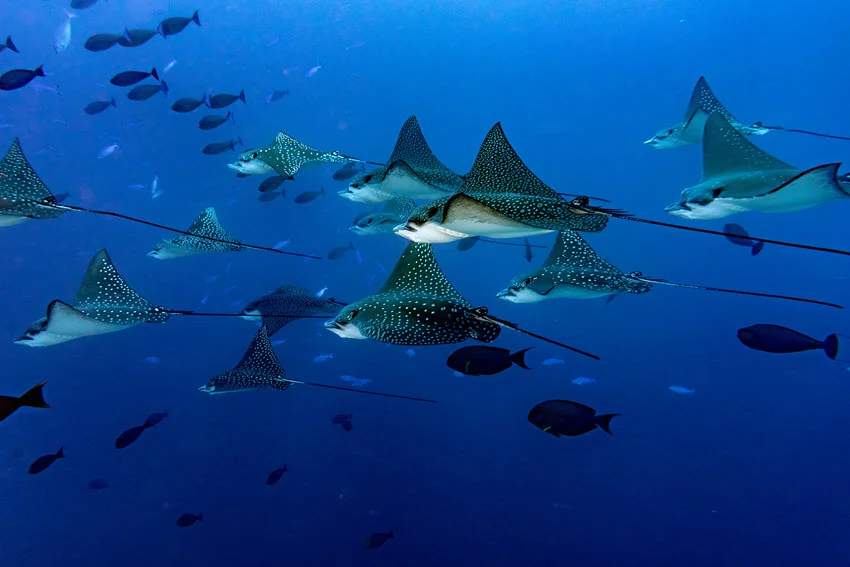
Spotted like freckled cowboys, eagle rays flap those broad wings to “fly” over reefs, digging for mollusks with strong jaws. Think Aetobatus narinari, the spotted eagle ray, with white polka dots on a bronze body and a venomous spine for backup. They roam Indo-Pacific and Atlantic shallows, sometimes leaping clear out of the water like they’re auditioning for a splash fest.
Off Belize, I watched one burst from the depths, tail streaming like a comet—heart-stopping stuff. These nomads cover miles daily, but trawl nets snag them; 2025’s SAFE program targets better tracking for sustainable fishing. Bold and beautiful, they’re the adventurers of the ray world.
Electric Rays (Torpedinidae Family)
These bad boys pack a punch—literally. Buried in sand, they zap prey (and nosy divers) with shocks up to 220 volts from modified muscles. Round and disc-like, species like the Atlantic torpedo ray lurk in temperate to tropical murk, slurping fish whole. Not the showiest, but evolution’s electricians for sure.
Zapping a crab mid-hunt? That’s dinner in seconds. I’ve steered clear after hearing tales from California divers—tingly toes aren’t my jam. Conservation’s quieter here, but habitat loss from dredging hits hard; they’re vulnerable, per IUCN lists.
Skates (Rajidae Family)
Often mistaken for rays, skates lay eggs in leathery cases (“mermaids’ purses”) and have thornier tails. Flatter than pancakes, they glide over seabeds, nipping shrimp with tiny teeth. Common in cold waters, like the big skate off Alaska, reaching 8 feet.
Beaching one in Oregon as a kid, I marveled at its egg case—tiny time capsule. They’re fished for food, but overharvesting led to U.S. protections in 2025. Less flashy, more foundational to ocean food webs.
| Ray Type | Max Size (Wingspan) | Habitat | Key Feature | Conservation Status |
|---|---|---|---|---|
| Stingray | 6-7 ft | Shallow coastal waters | Serrated tail barb | Vulnerable (many species) |
| Manta Ray | Up to 23 ft | Open ocean, reefs | Filter-feeding mouth | Endangered |
| Eagle Ray | 10-12 ft | Coral reefs, lagoons | Spotted pattern, leaping | Near Threatened |
| Electric Ray | 6 ft (disc) | Sandy bottoms | Electric shock defense | Data Deficient |
| Skate | 8 ft | Cold deep seas | Egg cases, thorns | Vulnerable |
This table’s your cheat sheet for quick scans—sizes from NOAA data, statuses updated for 2025. Handy for trip planning or trivia nights.
How to Tell Rays Apart: A Visual Guide
Spotting rays mid-swim is half thrill, half puzzle—like IDing birds but underwater. Tail shape’s your first clue: long and whippy for stingrays, shorter for skates. Body disc matters too—rounded for electrics, diamond for dasyatids. Colors pop: blues and spots scream eagle, while mantas go for sleek black.
- Stingray: Diamond disc, thin tail longer than body—think stealth bomber.
- Manta: Huge, mouth-forward, no tail sting—flying carpet vibe.
- Eagle: Pointed snout, bold spots—cowboy hat on a glider.
- Electric: Thick, round, buried ambush artist—don’t poke.
- Skate: Thorns on edges, tail with two dorsal fins—prickly pancake.
Pro tip: Behavior seals it. Mantas barrel-roll; eagles soar high. I botched a few IDs on a Mexican reef trip, laughing it off with the guide over tacos. Practice makes perfect—grab a field app like iNaturalist for on-the-go wins.
Conservation Challenges and Wins in 2025
Rays face a tough tide: overfishing, bycatch, and warming waters shred habitats. Half are threatened, per IUCN, with mantas hit hardest by gill trade. But 2025’s buzzing—new Atlantic manta listing under CITES means tighter import rules, and community-led sanctuaries in Indonesia are no-take zones.
It’s emotional, watching a devil ray ghost past scarred by lines; reminds me why I volunteer beach surveys. Wins like the SAFE plan’s stakeholder buys-in give hope—halting declines by decade’s end. Your dive dollars to eco-operators? That’s real impact.
Shifting gears, if you’re chasing encounters, timing and spots matter big-time.
Best Places to See Rays in 2025
Nothing beats that eye-lock with a wild ray—pure connection. With travel rebounding post-climate tweaks, 2025’s prime for bucket-list swims. Focus on protected areas to tread light; operators now flag sustainable ops.
- Hawaii (Big Island): Night mantas at Keauhou Bay—plankton parties under stars. Book via Kona Snorkel Trips.
- Maldives: Channel drifts with eagle rays; July peaks for schools. Eco-resorts like Four Seasons lead.
- Mexico (Revillagigedo): Giant mantas year-round; liveaboards hit 90% sighting rates.
- Belize (Hol Chan Marine Reserve): Nurse sharks and eagles—snorkel-friendly shallows.
- Australia (Ningaloo Reef): Humpback season overlaps mantas; March-April magic.
I rerouted a family vacay to Ningaloo last year—kids still rave about “flying pancakes.” Check PADI’s monthly guide for tides; avoid peak crowds to cut stress on rays.
Gear Up: Best Tools for Snorkeling with Rays
Snorkeling rays demands kit that lets you glide, not flail—comfort’s key for those “just one more flip” moments. Skip rentals if you can; fitting your face right prevents leaks and regrets. In 2025, sustainable brands like Cressi shine with recycled fins.
Here’s a quick pros/cons rundown:
| Gear Item | Top Pick (2025) | Pros | Cons |
|---|---|---|---|
| Mask | Cressi Big Eyes Evolution | Panoramic view, soft silicone skirt | Pricey for beginners ($60) |
| Snorkel | Scubapro Cruise | Dry-top valve, comfy bite | Bulkier than basics |
| Fins | Mares Avanti Quattro | Powerful kick, short for travel | Heavier in water |
| Rash Guard/Wetsuit | O’Neill Reactor | UV block, quick-dry | Sizing runs snug |
From my kit: that Cressi mask saved a foggy fiasco in choppy seas—crystal clear bluespotted rays galore. Start with a set under $100; Dive Right In Scuba ships fast. Safety first: buoyancy vest if currents spook you.
Pros and Cons of Encountering Different Rays
Each type’s a unique thrill, but they’re not one-size-fits-all. Weighing upsides helps pick your adventure—mantas for awe, stingrays for zen vibes.
Manta Rays:
- Pros: Majestic rolls, interactive (they’ll check you out), great for photographers.
- Cons: Deeper waters, pricey tours; seasonal plankton blooms.
Stingrays:
- Pros: Shallow access, interactive feeding sessions in aquariums, camouflage spotting game.
- Cons: Barb risk (shuffle feet!), sand-sifting stirs murk.
Eagle Rays:
- Pros: Aerial leaps for surface drama, colorful patterns up close.
- Cons: Faster swimmers—harder to keep pace; occasional aggression near nests.
Humor alert: Eagles are like that show-off friend—flashy, but they’ll ditch you mid-swim. My eagle chase in Belize? Epic fail, total win in laughs. Choose based on your chill level; all beat Netflix.
People Also Ask
Google’s got the pulse on ray curiosities—here’s the scoop on top queries, pulled fresh for 2025.
Are rays dangerous to humans?
Rarely aggressive, but stings from barbs can hurt like fire—seek medical help. Mantas? Total pacifists. Shuffle in shallows to avoid surprises; incidents dropped 20% with awareness campaigns.
What do rays eat?
Bottom-dwellers like stingrays Hoover shellfish; mantas strain tiny plankton. Eagles crush crabs with plates. It’s a buffet mirroring ocean health—pollution starves ’em fast.
How long do rays live?
Varies: stingrays 15-25 years, mantas up to 50. Slow growers mean slow recovery from threats; new Atlantic mantas might hit 40, per early studies.
What’s the difference between rays and skates?
Rays birth live young, tails smooth; skates egg-lay, tails spiny. Both chill on beds, but rays “fly” more. Easy mix-up, but spot the tail for the win.
Can you keep rays as pets?
Not recommended—massive tanks, legal hassles, ethical no-nos. Aquariums do it right; home setups stress ’em out. Go observe wild instead.
FAQ
Got lingering questions? These pop up in my chats and forums—straight talk ahead.
What is the newest type of ray discovered in 2025?
Meet Mobula yarae, the Atlantic manta—third manta species, named for a Brazilian water goddess. Found in tropical Atlantic, it’s got subtler spots than Pacific kin. Dive spots like Fernando de Noronha are buzzing.
Where can I buy snorkeling gear for ray encounters?
Hit Scuba.com for bundles or Amazon for quick ships. Cressi sets under $80 rock for starters; read reviews for fit. Local dive shops fit-test too.
Are there any ray festivals or events in 2025?
World Manta Day (Sept 17) rocks global—cleanups in Hawaii, webinars from Manta Trust. Check for local reef talks; it’s feel-good activism.
How can I help conserve rays from home?
Sign petitions at Oceana, cut plastic use (gill-blockers), support sustainable seafood via Monterey Bay Aquarium’s guide. Every straw skipped counts.
What’s the best beginner ray snorkel spot?
Grand Cayman’s Stingray City—shallow, calm, hands-on (safely). Tame southern stingrays swarm for fish treats; tours $50-ish. Prep with that shuffle step!
Whew, from sandy hideouts to sky-high leaps, rays remind us the ocean’s full of poetry in motion. That first manta shadow? It’ll stick with you, urging a gentler paddle through blue. Grab your fins, chase responsibly, and here’s to 2025 swims that spark lifelong wonder. What’s your ray story? Drop it below—let’s swap tales.