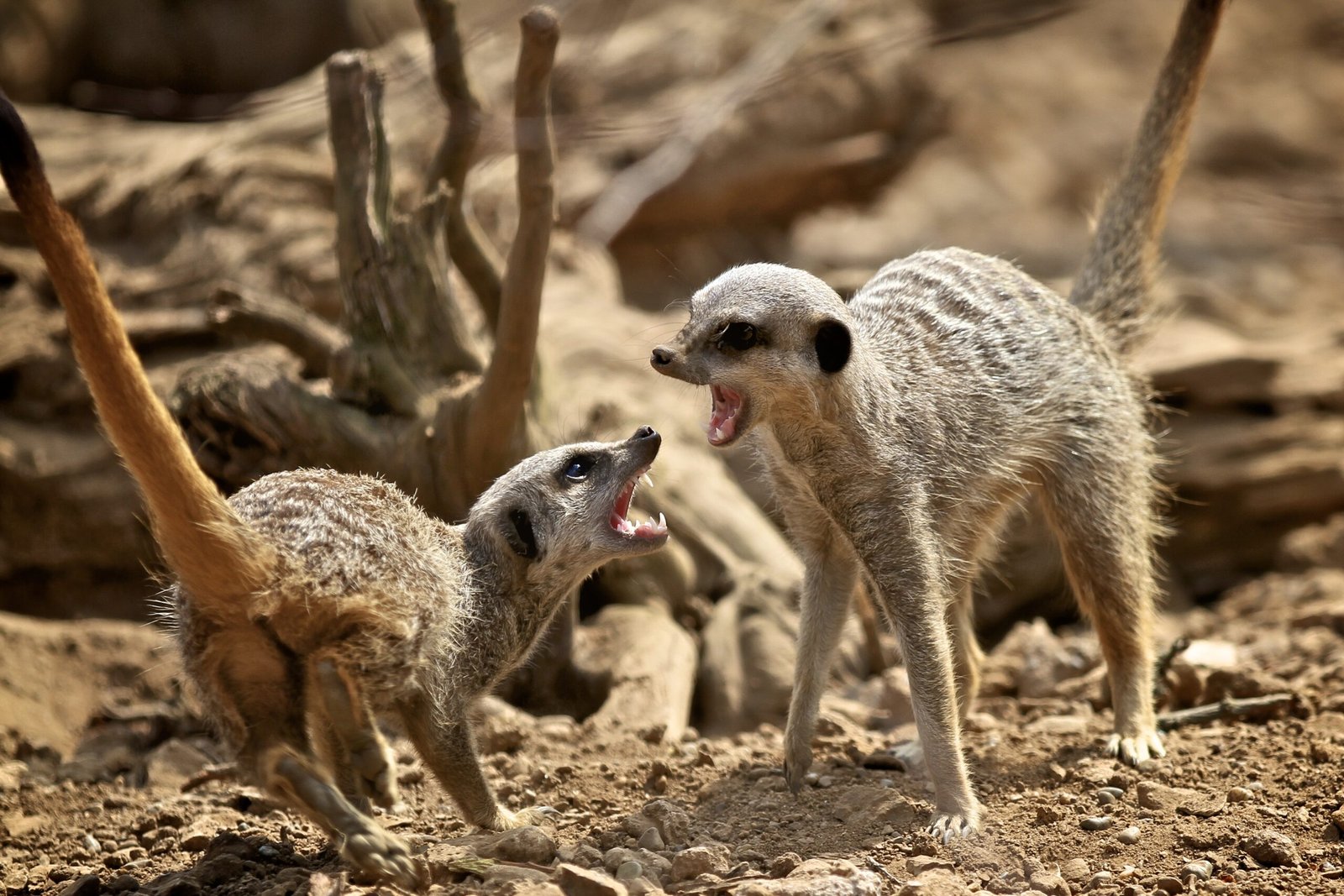
Picture this: You’re flipping through channels on a lazy Sunday, and there’s Timon from The Lion King, cracking jokes with Pumbaa, standing tall on his hind legs like the ultimate lookout. Those big-eyed meerkats? Pure charm, right? I thought so too, back when I was a kid glued to Disney videos. We’d mimic their sentinel poses in the backyard, pretending to spot “predators” like the neighbor’s cat. Fast-forward to my college days, buried in biology textbooks, and bam—reality hits harder than a scorpion sting. Meerkats aren’t just survivors; they’re straight-up assassins among mammals. A groundbreaking study flipped the script on these pint-sized sentinels, revealing they top the charts for same-species slaughter. Nearly one in five meerkats meets a grisly end at the claws of their own kind. It’s equal parts fascinating and heartbreaking, a reminder that nature’s cutest packages often hide the sharpest teeth. In this deep dive, we’ll unpack the science, the savagery, and what it all means for these desert dynamos. Buckle up—it’s a wild ride through the Kalahari’s underbelly.
The Study That Exposed Meerkat Mayhem
Back in 2016, a team of researchers led by José María Gómez dropped a bombshell in the journal Nature. They sifted through data on over 1,000 mammal species, tracking every recorded case of lethal aggression—think infanticide, turf wars, and outright executions. What emerged wasn’t a lion or a wolf at the top, but the humble meerkat, clocking in at a staggering 19.8% mortality rate from conspecific killings. That’s double the average for all mammals combined. I remember reading the abstract late one night, coffee gone cold, thinking, “No way—these fluffballs?” It challenged everything I’d romanticized about animal societies.
The study’s scope was massive, drawing from field observations, zoo records, and historical accounts spanning centuries. They quantified “lethal violence” rigorously, excluding predation on other species to focus purely on intra-species drama. Meerkats didn’t just edge out the competition; they lapped it.
Why Meerkats Lead the Pack in Mammal Murder Rates
Diving into the numbers, meerkats’ kill rate dwarfs even notorious brawlers like chimpanzees (13.4%) and humans (about 2%). For context, in a typical meerkat mob of 20-30, that’s potentially four or five violent deaths per generation. Researchers attribute this to their hyper-social structure—cooperative breeding amps up the stakes for power plays. It’s not random chaos; it’s calculated cruelty woven into survival.
This isn’t some anomaly; follow-up studies in the Kalahari confirmed the pattern persists. Females, in particular, drive the stats, with dominant “queens” enforcing brutal hierarchies. If you’ve ever wondered what “cute but deadly” really looks like, meerkats are your answer.
Breaking Down the Stats: A Quick Comparison Table
To visualize just how outlier-ish meerkats are, here’s a snapshot from the study:
| Mammal Species | % Deaths from Conspecific Killing | Primary Cause |
|---|---|---|
| Meerkat | 19.8% | Infanticide & intergroup fights |
| Chimpanzee | 13.4% | Territorial raids |
| Human | ~2% | Warfare & homicide |
| Lion | 4.1% | Infanticide by males |
| Wolf | 1.8% | Pack dominance struggles |
This table underscores meerkats’ top spot—far from the peaceful prairies of myth.
The Bloody Roots: Infanticide in Meerkat Mobs
At the heart of meerkat murder is infanticide, where adults—usually the dominant female—slaughter pups that aren’t hers. It’s a cold strategy to monopolize resources and breeding rights. In one observed case from the Kuruman River Reserve, a new alpha mom wasted no time evicting and killing her predecessor’s litter, ensuring her own genes dominated the next round.
This isn’t rare; up to 20% of meerkat litters fall victim to it. Subordinates get hit hardest, their rare pregnancies terminated to keep the group focused on the queen’s babies. It’s evolutionary ruthlessness at its finest—or foulest, depending on your view. I can’t help but feel a pang for those tiny victims; it’s like watching a family soap opera turn tragic.
Hormonal cues play a role too. When the dominant female conceives, her scent triggers aggression, suppressing subordinates’ cycles and priming them for eviction. It’s a toxic mix of biology and behavior that keeps the mob in line.
Reasons Behind the Infanticide Rampage
- Resource Control: Pups guzzle milk and care; fewer mouths mean more for the alpha’s offspring.
- Genetic Monopoly: Queens eliminate rival genes to pass on their own—pure Darwinian drive.
- Group Stability: Ironically, culling keeps the mob lean and mean, boosting overall survival odds.
- Suppression Tool: It discourages subordinates from breeding, channeling their energy into babysitting instead.
These tactics sound Machiavellian, but in the harsh Kalahari, they’re a grim necessity.
Turf Wars: When Meerkat Mobs Go to Battle
Beyond baby-killing, meerkats wage full-on wars over territory. Picture two gangs of 20-odd furballs charging across the dunes, tails up in a “war dance”—a spine-tingling shimmy of snarls and leaps meant to intimidate foes.
Winners claim prime foraging grounds; losers limp home with gashes or worse. Studies show these clashes cause 10-15% of adult deaths, with males often leading the charge.
Encounters escalate fast—scent-marking turns to skirmishes, then all-out brawls. One UCL study clocked “war dances” lasting minutes, psyching up the group like a furry pep rally gone rogue. It’s thrilling footage if you’re watching from afar, but up close? Pure pandemonium.
In the wild, these fights aren’t for show; they’re existential. Losing territory means starvation, so meerkats fight dirty—biting throats, clawing eyes. No wonder their kill rate spikes during dry seasons when resources thin.
The “War Dance” Breakdown
- Purpose: Intimidate rivals without full contact—bluff first, bite later.
- Mechanics: Upright stances, tail flicks, and vocal yips create a “wall of meerkats.”
- Success Rate: Groups with bolder dancers win 70% of standoffs, per field cams.
- Cost: Even “victories” leave scars, infections, and emotional tolls on the mob.
It’s a high-stakes ballet where one misstep spells doom.
Meerkat Society: Cooperation or Cutthroat Control?
Meerkats thrive in mobs, sharing sentry duty and pup-rearing—a model of teamwork, right? But scratch the surface, and it’s a dictatorship disguised as democracy. Dominant pairs breed; everyone else toils. This cooperative breeding fuels aggression, as subordinates plot escapes or evictions.
Pros of this setup? Mobs outlast loners, with pups surviving at triple the rate thanks to allomothering (aunties stepping in as nannies). Cons? The constant power struggles breed paranoia—evicted females often die wandering alone.
I once chatted with a Kalahari researcher over virtual coffee; she described evictions as “heart-wrenching exiles,” with moms dragging daughters miles from home. It’s emotional warfare in fur coats.
Pros and Cons of Meerkat Mob Life
Pros:
- Shared Vigilance: Sentinels spot 90% more threats, slashing predation risks.
- Communal Care: Pups get 24/7 attention, boosting weaning success to 80%.
- Foraging Efficiency: Group hunts yield 50% more insects per outing.
Cons:
- Hierarchical Tyranny: Subordinates breed only 10% of the time, stifling genes.
- Eviction Epidemic: Pregnant rivals get booted, facing 60% mortality outside.
- Stress Spiral: Chronic aggression spikes cortisol, shortening lifespans by years.
Balance it wrong, and the mob crumbles—nature’s fragile tightrope.
Lessons from the Field: Tales from Meerkat Manor
Remember Meerkat Manor? That BBC series hooked me in 2005, following the Whiskers mob through dramas straight out of a mobster flick. Flower, the indomitable queen, ruled with an iron paw—evicting sisters, killing rivals’ pups, and leading raids that left scars. One episode showed her personally throttling a subordinate’s litter; I paused the TV, stunned. “These aren’t cartoons,” I muttered to my roommate.
Real-life echoes abound. At Tswalu Kalahari Reserve, rangers track habituated mobs, witnessing alphas execute “cheaters” who sneak breeds. It’s raw, unfiltered—reminding us violence isn’t villainy; it’s adaptation. Yet, it tugs at the heart: For every survivor, there’s a story of loss.
These tales humanize the horror, showing meerkats as complex kin, not caricatures.
Where to Spot Meerkat Drama in the Wild
Dreaming of witnessing this firsthand? Head to southern Africa’s arid heartlands, where meerkats rule the dunes. The Kalahari Desert in Botswana tops the list—stay at Jack’s Camp or San Camp for dawn patrols with habituated groups that climb your legs like curious kids. Expect war dances at territory edges; it’s safari gold.
South Africa’s Kgalagadi Transfrontier Park offers drive-by sightings, with 100% success rates at spots like Tswalu. Namibia’s Namib Desert edges in too, via guided walks from Swakopmund lodges. Pro tip: Go in winter (May-August) for active mobs; summers send them underground.
For urbanites, zoos like San Diego’s deliver ethical views—check their meerkat exhibits for burrow cams.
Top Spots for Meerkat Safaris
- Botswana’s Makgadikgadi Pans: Ethical habituation; climb-on views daily.
- South Africa’s Tswalu Reserve: Luxury lodges with private mob access.
- Namibia’s Skeleton Coast: Rugged treks spotting wild skirmishes.
Pack patience—these drama queens perform on their schedule.
Gear Up: Best Tools for Meerkat Spotting
If you’re transactional-minded, kit out right for the chase. Top binoculars? Vortex Diamondback HD 10×42—crystal clear for distant dances, under $250 on Amazon. Apps like iNaturalist log sightings, turning trips into citizen science.
For docs, snag the Meerkat Manor Blu-ray set (here)—six seasons of unscripted intrigue. Books? Tim Clutton-Brock’s Meerkat Manor: Flower of the Kalahari dives deep into aggression’s why (buy now).
These picks amp your experience without breaking the bank.
People Also Ask: Answering the Buzz on Meerkat Murder
Google’s “People Also Ask” bubbles up curiosities that mirror our shock at these stats. Here’s the scoop on the top queries.
Why are meerkats so violent?
Their cooperative society breeds intense competition—alphas must suppress rivals to maintain control, leading to evictions and kills. It’s survival math in a resource-scarce world.
Do meerkats kill their own babies?
Yes, dominant females often do via infanticide, wiping out subordinates’ litters to redirect care to their own. It’s heartbreaking but boosts the queen’s reproductive edge.
What animal kills the most of its own kind?
Meerkats hold the crown among mammals at 19.8%, edging out chimps. Insects like ants rack up higher absolutes, but per capita? These desert dwellers dominate.
Are meerkats dangerous to humans?
Rarely—they’re feisty but tiny, with bites like a bad pinch. In the wild, steer clear of mobs; aggression stays intra-species, thank goodness.
These Qs capture the mix of awe and unease we all feel.
FAQ: Your Burning Questions on Meerkat Mayhem
What sparked the “most murderous” label for meerkats?
The 2016 Nature study analyzed 1,000+ species, finding meerkats’ 20% conspecific kill rate unbeatable. It’s all about quantified cruelty in the wild.
How does meerkat aggression compare to human violence?
Humans clock in at 2%—less lethal per capita, but our scale (wars) dwarfs theirs. Both stem from resource grabs and hierarchies, per anthropologists.
Can you ethically observe meerkat fights?
Yes, at habituated sites like Botswana’s camps—guides ensure minimal disturbance. Avoid baiting; let nature’s drama unfold naturally.
What’s the evolutionary upside to all this killing?
It culls weak links, enforces breeding monopolies, and secures territories—tough love that keeps mobs resilient against predators and famine.
Are there conservation efforts for meerkats?
Plenty—reserves like Kgalagadi protect habitats from mining. Support via WWF donations aids these underdogs.
Wrapping the Whiskers: Meerkats’ Murderous Mirror
Meerkats force us to confront nature’s duality—adorable on the surface, savage beneath. From infanticide’s icy logic to war dances’ frantic fury, their world is a masterclass in adaptation’s edge. I still smile at Timon clips, but now with a knowing nod to the Kalahari’s hidden horrors. It humbles you, doesn’t it? These tiny tyrants remind us: Survival isn’t always sweet. Next time you spot a meerkat meme, tip your hat to the real MVPs of mammal mayhem. Who’s ready for a safari?