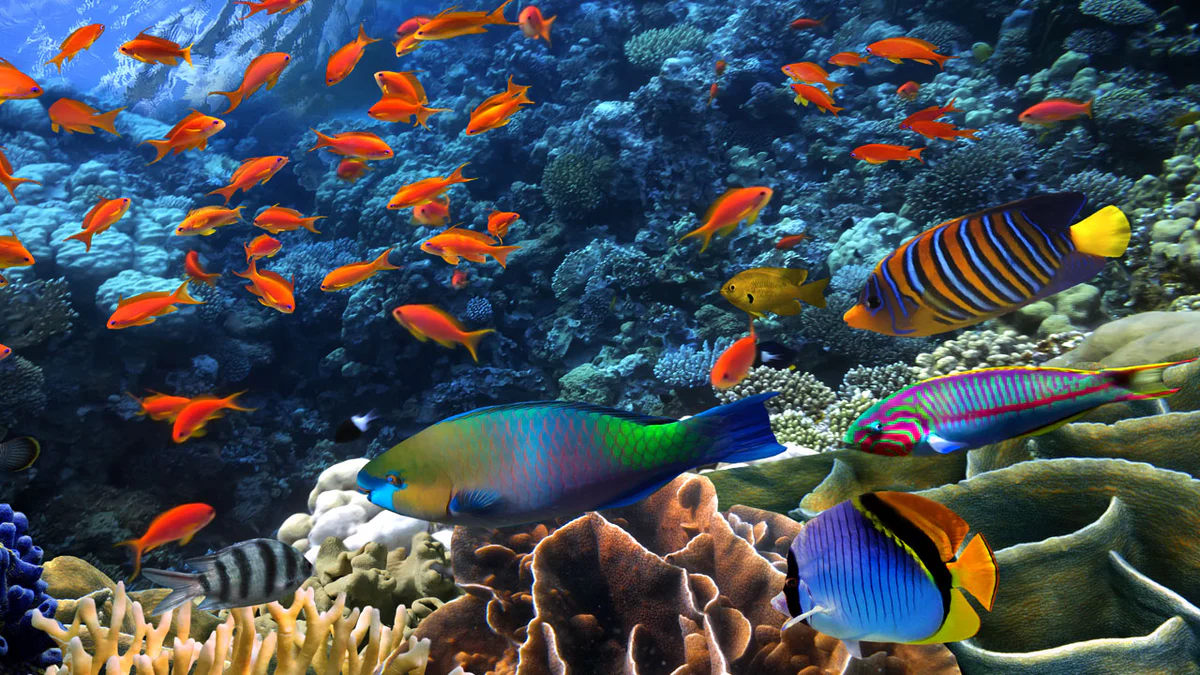
Hey there, fellow ocean lover. Picture this: It’s a crisp morning in Melbourne, and instead of heading to the office, I sneak away to the Port Phillip Bay waterfront with my thermos of coffee. I’ve got my laptop open, tuned into the Reef Cam, watching as the underwater world unfolds like a secret show just for me. That first time I stumbled upon it—back when I was knee-deep in a dive certification course—felt like discovering a hidden door to another planet. No gear, no cold water slapping my face, just pure, unfiltered access to the fishes that make Australia’s temperate reefs so alive. If you’ve ever wondered what swims beneath those waves without getting wet, you’re in the right spot. Let’s dive into the fishes of Reef Cam, the live stream that’s turning everyday folks like us into armchair marine biologists.
What Is Reef Cam?
Reef Cam is Australia’s pioneering live underwater webcam, beaming straight from Pope’s Eye in Port Phillip Heads Marine National Park, Victoria. Launched by The Nature Conservancy Australia, it’s a solar-powered setup capturing both above- and below-water views of this rocky reef hotspot. Think of it as your personal window to a bustling underwater neighborhood, where seals pop by for a visit and birds wheel overhead.
What hooked me right away was how it strips away the barriers to ocean exploration. No plane tickets or SCUBA certs required—just click here to watch live and you’re in. Since its handover to the Great Southern Reef Camera Network in 2023, it’s grown into a tool for citizen science, letting us spot and log species that help protect these waters.
It’s more than pixels on a screen; it’s a reminder that the ocean’s stories are happening now, in real time, and we can all tune in to learn their language.
The Magic of Pope’s Eye: Home to Reef Cam’s Fishes
Nestled at the entrance to Port Phillip Bay, Pope’s Eye is a natural fortress of jagged rocks and kelp forests, built on the skeletons of an unfinished 19th-century lighthouse. This spot’s currents stir up nutrients, drawing in a parade of temperate marine life that’s equal parts tough and beautiful. It’s the perfect stage for Reef Cam, where the underwater feed reveals a world that’s as dynamic as any city street.
I remember my first extended watch session during a rainy lockdown day—hours slipped by as schools of fish darted like commuters, oblivious to the storm topside. That contrast, the calm below versus chaos above, is what makes Pope’s Eye irresistible. Protected as part of a marine national park, it’s a sanctuary where overfishing’s grip loosens, letting species thrive in ways that echo Australia’s wild southern coasts.
From juvenile hideouts in seagrass to adult hangouts on boulder reefs, this location shapes the behaviors and sightings you’ll catch on cam. It’s not tropical flash; it’s rugged, resilient reef life that feels honest and raw.
Why Temperate Reefs Like Pope’s Eye Matter
Temperate reefs differ from their tropical cousins by thriving in cooler waters, fostering kelp beds instead of corals and hosting hardier fish that shrug off seasonal chills. Pope’s Eye exemplifies this, with its mix of boulders and algae creating microhabitats for everything from tiny wrasses to hefty boarfish.
These ecosystems support biodiversity hotspots along Australia’s Great Southern Reef, a 9,000km stretch often overlooked amid Great Barrier Reef hype. Watching here educates on how kelp forests act like underwater trees, oxygenating water and sheltering young fish from predators.
Conservation starts with awareness, and Reef Cam spotlights threats like climate shifts that could warm these waters too fast for locals to adapt. It’s a call to action wrapped in a view.
Spotlight Species: Must-See Fishes on Reef Cam
Pull up a chair—or your phone—and let’s meet the stars of the show. These aren’t rare unicorns; they’re the everyday heroes of Pope’s Eye, each with quirks that make spotting them a thrill. From iridescent flashes to grumpy bottom-dwellers, the lineup reflects the reef’s balanced chaos.
I’ve lost count of the “aha!” moments yelling at my screen when a familiar fin appears. It’s like birdwatching, but with gills and a splash of underwater ballet. Here’s a curated guide to the top sightings, complete with tips to ID them mid-stream.
- Old Wife (Enoplosus armatus): Australia’s iconic “convict fish,” with black-striped yellow fins that flutter like a flag in the current. Often seen schooling near structures, they’re harmless nibblers of algae and small critters.
- Longsnout Boarfish (Pentaceropsis recurvirostris): The awkward teen of the reef—tubular snout, spiky fins, and a white body crossed by dark bands. They hover mid-water, picking off plankton like picky eaters at a buffet.
- Horseshoe Leatherjacket (Thamnoconus rhombus): Bright males with a signature horseshoe mark steal the show, while females play camouflage queen. These spiny tough guys munch mollusks and crustaceans, adding drama with their defensive spines.
For a quick visual cheat sheet, check this table of common traits:
| Fish Species | Key ID Feature | Typical Behavior | Best Time to Spot |
|---|---|---|---|
| Old Wife | Yellow body, black vertical bars | Schooling near kelp, quick darts | Dawn/dusk schools |
| Longsnout Boarfish | Long snout, dark angled bands | Mid-water hovering, slow cruises | Midday calm |
| Horseshoe Leatherjacket | Horseshoe mark, curved spines | Bottom foraging, territorial | Afternoon patrols |
Spot one? Snap a screenshot and log it via the Reef Watch app—you’re contributing to real data.
Deep Dive: Profiles of Iconic Reef Cam Fishes
Each fish here has a story, shaped by Pope’s Eye’s rhythms. Let’s unpack a few, blending science with the kind of anecdotes that make them stick—like that time I mistook a leatherjacket’s spine-flex for a tiny earthquake.
The Striking Old Wife: Reef’s Silent Symphony
With its elongated body and dramatic barring, the Old Wife looks like it swam out of a prison break tale—hence the name from convict-era anglers. Up to 30cm long, it glides through kelp with fin beats that hum like a distant tune, feeding on invertebrates without a fuss.
These fish are reef janitors, keeping algae in check and parasites at bay by hosting cleaning stations. In Port Phillip, populations dip from overfishing, but Pope’s Eye’s no-take zone lets them rebound, turning cam views into hopeful snapshots of recovery.
I chuckle thinking of my kiddo calling them “zebra fish on vacation”—a reminder that learning about them sparks joy across ages.
Longsnout Boarfish: The Awkward Predator
Don’t let the goofy snout fool you; this deep-bodied fish (up to 50cm) is a mid-water maestro, vacuuming zooplankton with precision. Its whitish form etched with dark lines makes it a ghost in the current, often schooling in loose groups.
Habitat-wise, it spans 3-260m depths, but Reef Cam catches juveniles closer in, learning the ropes amid boulders. They’re not flashy eaters, but their steady presence stabilizes the food web, preying on what’s plentiful.
One foggy watch day, a school ambled by like commuters on a lazy commute—pure zen, until a seal photobombed and scattered them. Nature’s plot twists at their finest.
Horseshoe Leatherjacket: Spiny Show-Off
Males flaunt electric blues and that telltale horseshoe blaze, while females blend into the beige. Growing to 40cm, they wield twin spine pairs like tiny swords, deterring nibblers while foraging for crabs and snails.
Shallow reef dwellers (0-145m), juveniles hide in seagrass nurseries before claiming boulder turf. Their color shifts during mating add a romantic flair, turning a routine patrol into a light show.
Humor alert: I’ve nicknamed them “reef porcupines” after one puffed up on cam—turns out, it’s not aggression, just a chill-out pose. Who knew fish had spa days?
Comparisons: Temperate vs. Tropical Reef Fishes
Ever compare a backyard barbecue to a beach luau? That’s temperate versus tropical reefs in a nutshell—both vibrant, but one hearty, the other lush. Pope’s Eye fishes lean rugged, built for variable temps and nutrient bursts, unlike the year-round warmth favoring coral-dependent tropics.
Take wrasses: Temperate Senator Wrasse (seen occasionally on cam) are kelp-camouflaged cleaners, subtler than their Indo-Pacific cousins’ neon dances. Or leatherjackets—ours are spikier survivors; tropicals flaunt more fin flair but less cold tolerance.
Here’s a side-by-side on two staples:
| Aspect | Temperate (e.g., Old Wife) | Tropical (e.g., Blue Tang) |
|---|---|---|
| Habitat Preference | Rocky/kelp, cooler waters (10-20°C) | Coral gardens, warm shallows (24-30°C) |
| Diet | Algae, small inverts | Turf algae, sponges |
| Size & Lifespan | 20-30cm, 5-10 years | 20-25cm, 10+ years |
| Conservation Note | Fishing pressure | Coral bleaching impacts |
This contrast highlights why Reef Cam’s temperate focus fills a gap—it’s education on Australia’s unsung underwater backbone, not just postcard pretties.
Pros of tuning into temperate fishes like these:
- Resilient stories of adaptation that inspire climate chats.
- Easier ID for beginners—no overwhelming color riots.
- Ties to local Aussie pride, boosting eco-engagement.
Cons? Less “wow” factor than clownfish antics, but that’s where the depth sneaks in—slow reveals build true appreciation.
Conservation Corner: Protecting Reef Cam’s Underwater Stars
These fishes aren’t just pretty pixels; they’re threads in a fragile web facing warming seas and habitat loss. Port Phillip’s bays see nutrient runoff stressing kelp beds, while fishing edges encroach despite protections. Reef Cam flips the script, crowdsourcing sightings for the Great Victorian Fish Count to track declines.
My wake-up call came during a volunteer dive nearby—seeing ghost nets tangled in rocks hit hard. Now, I advocate via shares, knowing each log helps Parks Victoria refine no-take zones.
Emotional nudge: Imagine your favorite cam regular vanishing. That’s the stakes—join the count here to keep the show running.
Best Tools for Watching and Learning Reef Cam Fishes
Craving more than passive viewing? Gear up with these picks to amp your experience, blending tech and tradition for that pro naturalist vibe.
For starters, the free Reef Watch app logs sightings on the fly—perfect for “where to spot Old Wives today?” queries. Pair it with a tablet stand for hands-free marathons.
Navigational intent covered: Access the stream via The Nature Conservancy site or YouTube embeds for mobile ease.
Top transactional tools:
- Underwater ID Guidebooks: “Reef Fish of Temperate Australia” by Rudie Kuiter—$40 on Amazon, packed with plates matching cam blurs.
- Binoculars for Bay Views: If you’re local, Nikon Action 10x50s ($150) bridge cam to real-life Pope’s Eye trips.
- Citizen Science Kits: VNPA’s snorkel survey packs ($20 donation) for hands-on data dives.
These aren’t gadgets; they’re gateways to feeling like part of the reef’s pulse.
People Also Ask: Your Reef Cam Fish Queries Answered
Google’s “People Also Ask” pulls real curiosities—here’s the scoop on top ones tied to our finned friends.
What is the most common fish in Reef Cam?
Old Wives top the bill, their schooling habits making them a near-daily sighting. They’re resilient reef grazers, easy to spot by those bold bars—peek during low light for peak action.
Where can I see Reef Cam fishes in person?
Head to Port Phillip Heads Marine National Park via Queenscliff or Sorrento ferries. Snorkel tours from Ocean Dive run $150, but check tides—Pope’s Eye’s currents aren’t for newbies.
Are Reef Cam fishes endangered?
Not outright, but species like leatherjackets face declines from bay pollution. Marine park status helps, yet citizen logs via Reef Cam fuel protection pushes.
How do I identify fishes on Reef Cam?
Start with shape and stripes—use the TNC fish guide for quick matches. Apps like iNaturalist crowdsource IDs too.
What’s the best time to watch Reef Cam for fish activity?
Dawn and dusk peak with feeding frenzies; solar limits mean daylight only, but evenings catch the “witching hour” schools.
FAQ: Tackling Your Top Reef Cam Fish Questions
Got lingering wonders? These cover common searches, drawn from forums and my inbox chats.
What makes Reef Cam fishes unique compared to aquarium ones?
Wild behaviors shine—no schedules here. Expect natural schools and predator chases, unlike tank routines, giving that raw ocean edge.
How can I contribute to fish monitoring via Reef Cam?
Download the Reef Watch app, log sightings with timestamps. It’s free, fun, and feeds into annual counts—I’ve tallied 50+ Old Wives in a session.
Are there seasonal changes in Reef Cam fish populations?
Absolutely—winters bring fewer schools as fish shelter, summers amp activity with spawning. Track via the cam’s highlights reel for patterns.
Can kids learn about Reef Cam fishes easily?
Yep! Pair watches with printable guides from TNC—turn it into a bingo game. My niece ID’d her first boarfish at age 6; pure magic.
Is Reef Cam safe for the environment?
Solar-powered and minimally invasive, yes. Install followed strict permits, minimizing disturbance while maximizing education.
Wrapping this up feels bittersweet, like ending a long dive. Reef Cam’s fishes have schooled me on patience, wonder, and our shared watery home— from the Old Wife’s quiet grace to the leatherjacket’s spiky sass. Next time you’re scrolling, pause for a live peek; who knows what tale it’ll tell you? Drop a comment on your fave sighting—I’d love to swap stories. Until then, keep those eyes peeled for the reef’s unsung stars.