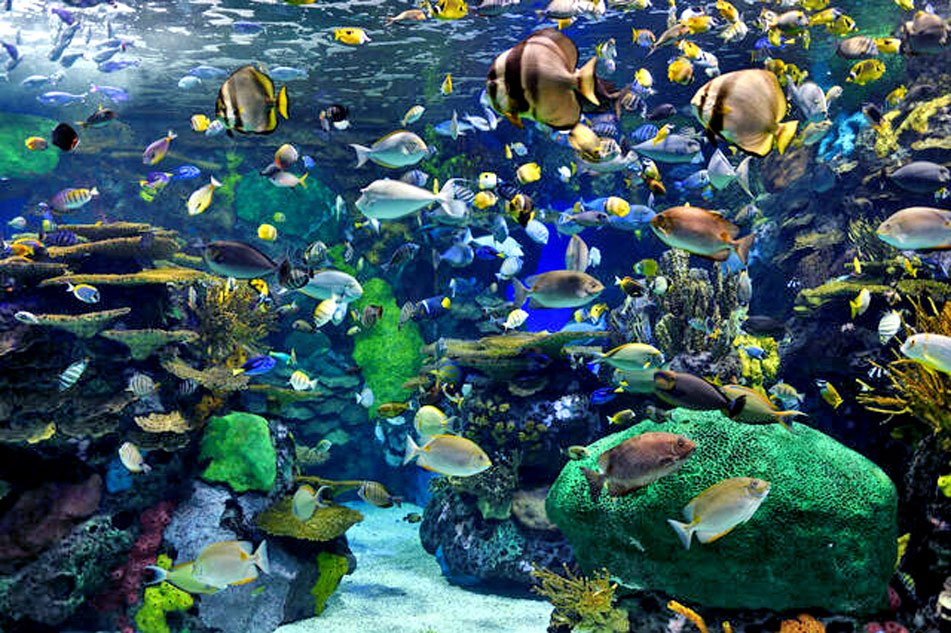
Picture this: It’s a crisp Melbourne morning, and I’m nursing my first coffee of the day, staring at a screen that’s beaming the underwater world straight into my living room. No, I’m not binge-watching some fancy documentary—I’m glued to Reef Cam, that magical live feed from Port Phillip Bay. As a lifelong ocean lover who’s spent more hours than I care to admit chasing waves and snorkeling in chilly Victorian waters, discovering this cam felt like finding a secret portal to the sea. Suddenly, all those darting shadows and colorful blurs had names and stories. If you’ve ever wondered what swims in Australia’s temperate reefs, pull up a chair. We’re diving in together.
What Is Reef Cam?
Reef Cam is Australia’s pioneering rocky-reef live stream, capturing the pulse of life beneath the waves in Port Phillip Bay, Victoria. Launched by The Nature Conservancy Australia and now managed by Southern Ocean Environmental Link, it beams dual feeds—underwater and above—to your device, solar-powered and eco-friendly. It’s not just a feed; it’s a window into a protected marine park where seals flop by overhead and fish weave through kelp like old friends at a reunion.
I remember the first time I tuned in during a rainy lockdown day. The screen flickered to life with a school of silver fish twisting in the current, and I forgot about the downpour outside. That moment hooked me, turning casual scrolling into a daily ritual of wonder and learning.
This setup isn’t about flashy edits—it’s raw, real-time glimpses of an ecosystem that’s as tough as it is beautiful, reminding us why places like Port Phillip Heads Marine National Park matter.
The Thriving Ecosystem of Pope’s Eye
Nestled in the sheltered arms of Port Phillip Bay, Pope’s Eye is a horseshoe-shaped reef fortress, built from WWII shipwrecks and cradled by strong currents that keep it vibrant. This temperate haven, part of a no-take marine park, buzzes with kelp forests, sponges, and anemones that shelter a mosaic of fish species adapted to cool waters rather than tropical heat. It’s a biodiversity hotspot where southern ocean meets bay life, fostering everything from tiny juveniles to hefty predators.
Years ago, on a family snorkel trip out there, I hovered over the rubble, mesmerized by how the light danced through the water column, spotlighting hidden nooks. That reef isn’t just rocks—it’s a living city, resilient against storms but whispering warnings about climate shifts.
Today, Reef Cam lets anyone eavesdrop on this underwater neighborhood, revealing how interconnected it all is: algae-grazers paving the way for bigger fish, who in turn keep the balance.
Spotlight on Common Fish Species
From the screen’s glow, certain finned locals steal the show, each with quirks that make identification a game of “spot the character.” These aren’t exotic imports; they’re hardy southern stars, thriving in 10-15°C waters where algae rules and predation is a daily drama. Watching them school or solo-dance teaches patience—sometimes it’s minutes before a shy one peeks out.
One foggy evening feed, I laughed out loud at a leatherjacket puffing up like an indignant balloon, defending its patch. It’s these personality pops that turn passive viewing into active storytelling.
Reef Cam spotlights about a dozen regulars, but let’s zoom in on the MVPs—the ones you’ll high-five yourself for naming on sight.
The Elegant Longsnout Boarfish
With its tubular snout and spiky fins like a punk rocker’s mohawk, the Longsnout Boarfish glides through frames like a deep-sea diplomat. Whitish body accented by dark bands, it probes crevices for crustaceans in depths up to 145 meters, a master of the slow hover.
I once mistook one for a distant relative of the tropical boarfish during a dive log review—turns out, this temperate version is tougher, built for bay currents that would sweep away its warmer cousins.
Spot it mid-feed darting from kelp shadows; it’s a reminder of how evolution sculpts survivors for specific stages.
Vibrant Senator Wrasse: Colors of the Reef Elite
Males flash electric blues and greens, a horseshoe blaze on their sides screaming “look at me,” while females play it subtle in mottled browns. This wrasse duo—up to 40cm long—hunts amphipods and mollusks in algal beds, their curved tail spines a clever defense hack.
During a virtual watch party with mates, we bet on spotting a male’s color shift; losing meant buying the next round. That electric reveal? Pure joy, like nature’s own light show.
They’re common in 3-40m shallows, pairing bold aesthetics with benthic foraging smarts.
The Quirky Mosaic Leatherjacket
Forget smooth operators—this one’s a patchwork of yellows and blacks, horseshoe-marked like a lucky charm, puffing spines when ruffled. Up to 30cm, it nibbles seaweed and small inverts in sheltered bays, a vegetarian bully with attitude.
My kid’s first Reef Cam obsession was these guys; “It’s wearing a puzzle coat!” she squealed. Her glee pulled me deeper into the feed, turning science into family lore.
Juveniles hide in seagrass, growing bold in reefs like Pope’s Eye—prime viewing turf.
A Quick Comparison: Reef Cam Fishes vs. Tropical Cousins
Temperate vs. tropical—it’s like comparing a cozy pub brawl to a beach rave. Reef Cam’s crew is compact, hardy, and algae-focused, while tropics boast neon fireworks and endless variety. But don’t pity the south; these fish pack survival punch in cooler climes.
- Color Palette: Temperate tones (mottled earths, silvers) for camouflage in murky bays vs. tropical neons for mate-shows in clear shallows.
- Size and Speed: Smaller, stockier builds for current-fighting (e.g., 20-40cm wrasse) vs. sleek racers in warm drifts.
- Diet Diversity: Heavy on local inverts and kelp vs. coral-munching specialists.
| Feature | Reef Cam Temperate Fish | Tropical Reef Fish |
|---|---|---|
| Water Temp | 10-20°C (cool, variable) | 24-30°C (warm, stable) |
| Habitat Focus | Kelp beds, rocky rubble | Coral branches, lagoons |
| Biodiversity | 50-100 species locally | 1,000+ per reef |
| Viewer Appeal | Subtle behaviors, resilience stories | Flashy schools, bold hunts |
Tropics win on spectacle, but temperate underdogs like the boarfish shine in grit—perfect for eco-tales that stick.
Pros and Cons of Watching Reef Cam for Fish Spotting
Diving into live feeds beats books any day, but it’s not all smooth sailing. Here’s the real talk on why Reef Cam’s a gem—and where it leaves you wanting.
Pros:
- Real-Time Magic: Catch behaviors like wrasse hunts unfolding—no scripts, just nature’s improv.
- Accessibility Boost: Free, anytime access from your couch; ideal for urbanites missing the sea.
- Eco-Education Edge: Ties views to conservation, sparking donations or local cleanups.
- Community Buzz: Share screenshots on forums, turning solo watches into group quests.
Cons:
- Weather Whims: Solar-powered means cloudy days dim the show—patience required.
- ID Challenges: Blurry currents hide details; not always newbie-friendly without guides.
- Emotional Tug: Seeing a lone fish post-storm hits hard, urging action beyond screens.
- Limited Scope: Focuses on one spot—misses bay-wide drama like seasonal migrations.
Balance it with apps for deeper dives, and it’s a winner for building that ocean bond.
Tips for Identifying Fishes on Reef Cam
Grab your notebook—ID’ing on cam is detective work minus the flippers. Start with shape: elongated like a boarfish? Boxy like a leatherjacket? Then layer colors and moves—slow probes vs. darting schools.
Pro tip: Pause the feed (if your platform allows) and zoom; apps like FishBase or iNaturalist cross-check traits. I built a cheat sheet after weeks of trial-and-error, pinning “spiky = boarfish” to my desk.
Light matters too—golden hour feeds glow, but midday glare washes out bands. Practice with highlights reels first, then go live.
- Shape Scan: Snout length, fin spikes—boarfish’s tube nose is a giveaway.
- Color Code: Males brighter? Senator wrasse’s blue blaze seals it.
- Behavior Clue: Puffing defense? Leatherjacket alert.
- Habitat Hint: Kelp hoverers vs. rubble lurkers.
With time, you’ll narrate the feed like a pro, spotting rarities amid the regulars.
Conservation Challenges Facing These Fishes
Port Phillip’s waters teem, but threats lurk: warming temps push tropical invaders south, while pollution chokes juvenile nurseries. Overfishing edges some species like wrasse toward decline, despite no-take zones—ghost nets and boat strikes don’t discriminate.
I joined a beach cleanup after a feed showed debris snagging kelp; that gut-punch turned guilt into grit. Groups like Reef Watch tally counts annually, arming data for policy wins.
Bright spots? Marine parks like Pope’s Eye rebound fast when protected—fish numbers spike 20-30% in sanctuaries.
- Climate Creep: Warmer bays stress cool-water adapted species.
- Habitat Heroes: Kelp restoration projects buffer against erosion.
- Citizen Power: Log your sightings via apps to aid counts.
It’s a fight, but every view fuels the fix.
Where to Access Reef Cam and Enhance Your Experience
Tune in via The Nature Conservancy Australia’s site or SOEL’s hub—free, no sign-up hassles. For mobile magic, bookmark the YouTube channel for offline clips when signals dip.
Pair it with Parks Victoria’s explorer app for bay maps, or FishBase for global ID tools. Navigational win: Queenscliff charters whisk you to Pope’s Eye for in-person echoes.
Transactional twist? Grab a “Reef Cam Spotter” journal from eco-shops—track your firsts like a safari log.
Pro setups include dual screens: one for feed, one for wiki tabs. It’s your portal—make it personal.
Best Tools for Diving Deeper into Reef Cam Fishes
Gear up without gear: Free apps like Merlin Bird ID (fish edition via Seek) or REEF’s survey toolkit turn phones into spotters. For pros, a tablet mount keeps feeds hands-free.
- Apps: iNaturalist for community verifies; eBird-style logs for fish.
- Books: “Reef Fishes of Temperate Australia” by Rudow—dog-eared essential.
- Gear: Waterproof stylus for wet-side notes; binoculars for above-water bird-fish crossovers.
- Communities: Join Victorian National Parks Association forums for live Q&As.
These amplify the cam, blending digital with doable fieldwork.
People Also Ask
Ever paused mid-feed with a burning question? Google’s got your back—here’s the scoop on top curiosities pulled from searches.
What types of fish can you see on Reef Cam?
You’ll spot temperate champs like Longsnout Boarfish, Senator Wrasse, and Mosaic Leatherjackets schooling in kelp. Seals and dolphins crash the party too, but fish dominate the daily drama.
Where is Reef Cam located?
It’s fixed at Pope’s Eye in Port Phillip Heads Marine National Park, Victoria—a historic reef beacon in the bay’s heart, streaming from 5-10m depths.
How does Reef Cam help with fish identification?
The live feed pairs with TNC’s species guide, highlighting traits like color bands or fin shapes. Cross-reference with pauses and apps for spot-on calls.
Why watch Reef Cam for conservation?
It spotlights threats like warming waters, rallying viewers to citizen science—log sightings for Great Victorian Fish Counts, directly aiding park protections.
Can I visit the Reef Cam site in person?
Yes—boat from Queenscliff to snorkel Pope’s Eye (permits needed). Respect no-take rules; it’s a dive mecca blending history and habitat.
FAQ
Got lingering queries? I’ve fielded these from fellow watchers—straight answers, no fluff.
What makes temperate reef fishes different from tropical ones?
Temperate species like those on Reef Cam are stockier for cold currents, with subtler colors for camouflage in green bays. They munch kelp over coral, thriving in flux where tropics falter—resilience over razzle-dazzle.
How often do new fish species appear on the cam?
Seasonally—summer brings juveniles schooling in, winter hides them in nooks. Rarities like visiting sweepers pop quarterly, but core crew sticks around. Tune in dawn/dusk for peak action.
Is Reef Cam safe for the ecosystem?
Absolutely—cameras anchor lightly with manta rays, no-touch install per Parks Victoria permits. Solar power means zero emissions; it’s monitoring, not meddling.
Can kids use Reef Cam for school projects?
Prime pick! Log species for biodiversity reports or draw behaviors for art. Ties to Reef Watch counts make it hands-on science gold.
What’s the funniest fish behavior you’ve seen on Reef Cam?
A leatherjacket “dancing” with a sponge—puff, spin, repeat. Or wrasse tag-teaming a crab; it’s reef comedy, live and unscripted.
There you have it—your insider’s guide to the finned folk of Reef Cam. Next time the feed loads, you’ll greet old pals by name, maybe even spot a story worth sharing. The ocean’s calling; answer with eyes wide open. What’s your first spot? Drop a note—let’s chat seas.