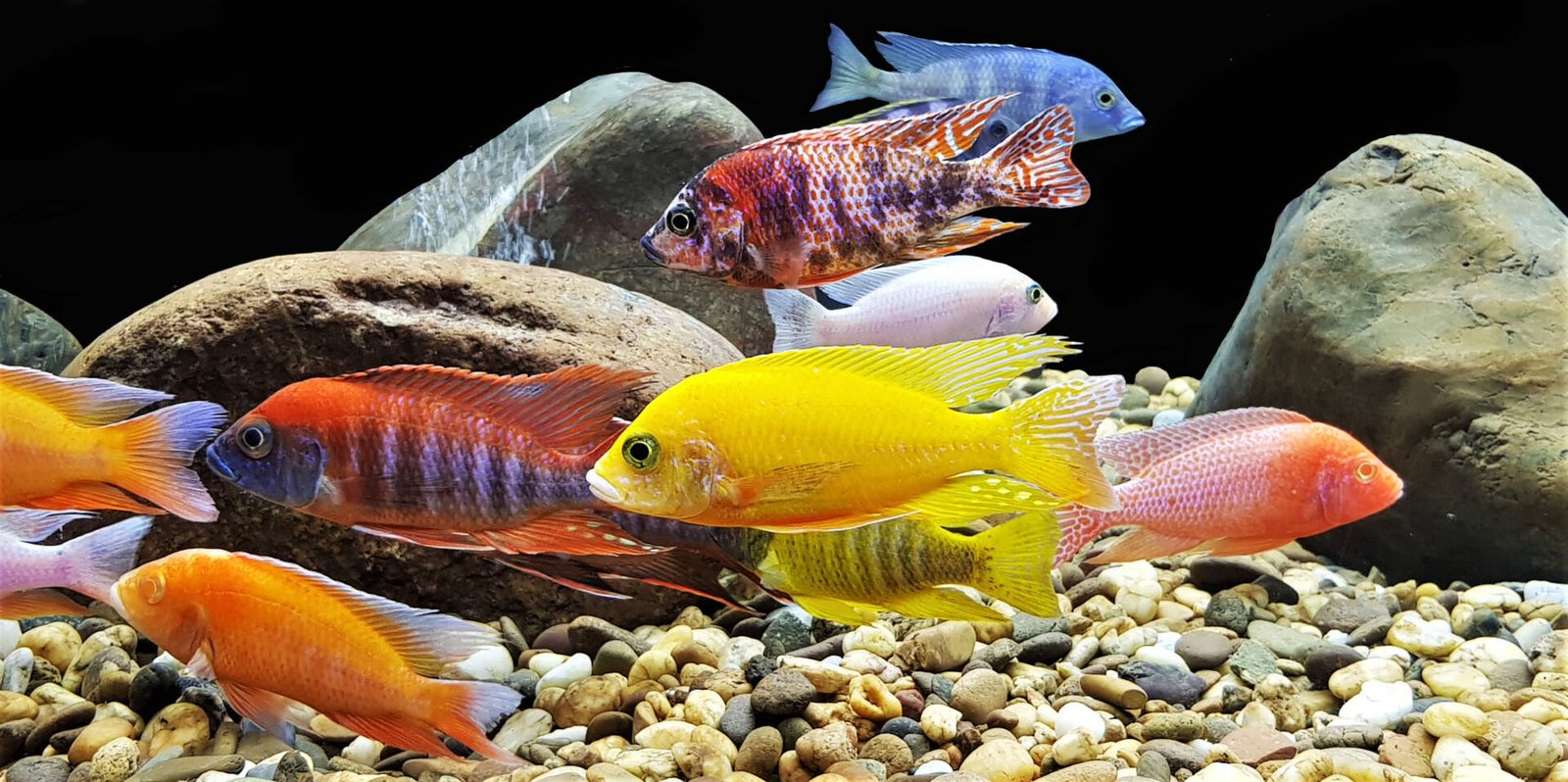
Hey there, fellow fish enthusiast. I remember the first time I stood in front of those glowing tanks at the local pet store, mesmerized by flashes of neon blue and fiery orange darting through the water. My heart raced—I was ready to build my dream underwater world. But as a newbie back then, I made a classic blunder: grabbing a bunch of eye-catching fish without a second thought to their needs. Spoiler alert: it ended in a watery disaster that taught me more than any book could. If you’re here, you’re probably at that exciting crossroads, wondering how to pick aquarium fish that won’t turn your setup into a stress zone. Let’s dive in together. I’ll share what I’ve learned over years of trial, error, and triumphs, so you can create a thriving, peaceful tank from day one.
Assessing Your Aquarium Setup
Before you even glance at the fish section, take a hard look at your tank. It’s like picking roommates—you need to know the space and vibe first. I’ve set up everything from a tiny 5-gallon desk bowl to a sprawling 55-gallon community haven, and trust me, starting with the basics saves headaches later.
Think about size, filtration, and lighting. A 10-gallon tank might seem perfect for a starter, but it limits your options to hardy, small swimmers. Got a heater? Most tropical fish crave 75-80°F waters. No rush—cycle your tank for 4-6 weeks to build beneficial bacteria. That way, when your new finned friends arrive, they’re swimming in a stable home, not a toxic soup.
Understanding Fish Compatibility Basics
Compatibility isn’t just about pretty colors mingling; it’s about preventing World War III in your tank. Early on, I mixed a feisty betta with some nippy tiger barbs—let’s just say the betta’s fins looked like Swiss cheese after a week. Ouch. The key? Match temperaments, sizes, and water needs.
Peaceful community fish like tetras and rasboras school together happily, while solo stars like bettas prefer their own spotlight. Always research pairings—overcrowding or mismatched aggression leads to stress, illness, and heartbreak. Aim for a balanced mix: top-dwellers, mid-level cruisers, and bottom foragers.
Top vs. Bottom Dwellers
Top-dwellers like hatchetfish skim the surface, grabbing floating foods and adding sparkle to your view. They thrive in covered tanks to avoid jumpy escapes—I’ve lost a few to carpet adventures. Keep groups of 4-6 for confidence; they’re shy solos.
Bottom-dwellers, such as corydoras catfish, scavenge leftovers and keep things tidy. These whiskered wonders prefer soft sand substrates over gravel to protect their barbels. A school of six brings lively “dancing” at feeding time—pure joy to watch.
Water Parameters and Fish Needs
Water quality is the unsung hero of aquarium success. pH, hardness, and temperature aren’t just numbers; they’re lifelines. I once ignored a slight pH swing in my tank, and my beloved guppies started fading fast. Lesson learned: test weekly with a reliable kit like the API Freshwater Master Test Kit.
Tropical setups hover at 6.5-7.5 pH and 75-82°F, while goldfish prefer cooler 65-72°F. Soft water suits tetras; harder works for livebearers. Match your fish to your tap water, or invest in adjustments like peat for acidification.
Best Beginner Fish for Small Tanks
Small tanks (under 20 gallons) demand low-bio-load champs that forgive newbie slips. After my first overstocked nano tank crashed, I switched to these forgiving picks—now my 10-gallon thrives with minimal fuss.
These fish are hardy, colorful, and budget-friendly, often under $5 each at stores like Petco or local breeders.
Guppies: The Livebearer Stars
Guppies are my go-to for beginners—their rainbow tails and endless fry parties feel like a gift that keeps giving. Hardy in 70-78°F water, they breed like rabbits, so start with 3-4 females to one male to cut chasing drama. Feed flakes or veggies; they’re omnivores who’ll devour algae wafers too.
Pros of guppies:
- Vibrant colors and active personalities
- Easy breeding for free population boosts
- Tolerate a wide pH range (6.8-7.8)
Cons:
- Overbreeding leads to overcrowding fast
- Males can harass females if ratios skew
Neon Tetras: Schooling Beauties
Nothing beats the laser-like glow of neon tetras schooling in unison—it’s hypnotic. These South American gems need 6+ in a group to feel secure, thriving at 70-81°F and soft, acidic water. Add plants for hiding; they’re peaceful but skittish.
In my experience, they add that “wow” factor without the attitude. Pair with bottom cleaners for balance.
Recommended Fish for Larger Tanks
Once you’re past the 20-gallon mark, the world opens up. My 30-gallon upgrade let me experiment with bigger personalities, like gentle giants that bring drama without the fights. Focus on bio-load—aim for 1 inch of fish per gallon, adult size.
Larger setups allow layered communities: surface skimmers, mid-swimmers, and substrate sifters. It’s like curating an ecosystem, not just a bowl.
Corydoras Catfish: Bottom Patrol
Corys are the chill custodians of your gravel, whisker-sweeping for morsels with adorable group huddles. Six or more in 72-79°F water keeps them perky; sand bottoms prevent barbels from scraping. I’ve watched mine “play tag” during lights-out—endearing and efficient algae eaters.
Angelfish: Elegant Centrepieces
Angelfish glide like veiled dancers, their tall fins demanding 29+ gallons and tall tanks. Peaceful in schools of 3-5, they prefer 76-82°F and slightly acidic water. My pair spawned on a slate—tiny miracles hatching daily.
But beware: juveniles are nippy; adults mellow with space.
Pros and Cons of Popular Community Fish
Choosing between schooling speedsters and laid-back livebearers? Here’s a quick rundown to weigh options. I lean toward variety for visual pop, but harmony rules.
| Fish Type | Pros | Cons | Ideal Tank Size |
|---|---|---|---|
| Zebra Danios | Super active, disease-resistant, cheap | Can be fin-nippers in small groups | 10+ gallons |
| Platies | Colorful, breed easily, hardy eaters | Produce lots of fry quickly | 15+ gallons |
| Cherry Barbs | Peaceful schoolers, rosy glow | Need groups of 6+ to thrive | 20+ gallons |
| White Cloud Minnows | Cool-water tolerant, no heater needed | Less vibrant than tropicals | 10+ gallons |
This table’s based on my setups—danios keep things zippy, but platies win for family appeal.
Comparison: Freshwater vs. Saltwater Starters
Dreaming of clownfish? Hold up—saltwater’s allure is real, but it’s pricier and fussier than freshwater. My first reef attempt cost a fortune in salt mix; freshwater’s forgiving for budgets.
Freshwater wins for beginners: cheaper gear, stable params, endless hardy options like tetras. Saltwater dazzles with corals but demands precise salinity (1.020-1.025 SG) and live rock cycling.
- Freshwater Pros: Low cost ($50-200 startup), easy maintenance, diverse species.
- Saltwater Pros: Stunning colors, reef-building potential.
- When to Choose Saltwater: After 1-2 years of freshwater success—build skills first.
For navigational intent, snag starters at Aquarium Co-Op for quality stock.
Common Mistakes to Avoid When Selecting Fish
Oh, the pitfalls I’ve tumbled into—like buying “cute” babies that ballooned into tank-busters. Beginners often overstock for instant wow, ignoring the nitrogen cycle. Result? Ammonia spikes and floating casualties.
Another trap: ignoring health checks. Cloudy eyes or clamped fins scream trouble—quarantine newbies in a 10-gallon hospital tank for two weeks. And don’t mix cold-water goldfish with tropicals; it’s a thermal mismatch waiting to happen.
Humor me: I once added a pleco to a 20-gallon without wood—poor guy starved on veggies alone. Research diets; herbivores need algae, carnivores brine shrimp.
Building a Balanced Community Tank
A thriving community feels alive—fish zipping, plants waving, no drama. Start slow: 2-3 species max, adding weekly to monitor dynamics. My secret? Vertical zoning: danios up top, tetras mid, corys below.
Incorporate hiding spots with silk plants or caves—reduces stress. For transactional tips, the best tools include a gravel vacuum (Python No Spill Clean and Fill) for easy changes.
Pros & Cons of Overstocking
Pros (rarely worth it):
- Instant full-tank look
- More activity early on
Cons:
- Rapid waste buildup crashes cycles
- Heightened aggression and disease spread
- Shorter lifespans—I’ve seen it crush spirits
Understock instead; let it grow organically.
Where to Buy Healthy Aquarium Fish
Skip big-box impulse buys; quality matters. Local fish stores (LFS) like my go-to Reef Raft offer healthy, acclimated stock with advice. Online? LiveAquaria ships insured, but expect DOA risks—opt for overnight.
For breeders, check forums like Reddit’s r/Aquariums for local meets. Always inspect: bright eyes, active swimmers, no white spots (ich alert).
People Also Ask: Top Questions on Choosing Fish
Google’s “People Also Ask” uncovers real curiosities—I’ve fielded these at club meetings. Here’s the scoop, snippet-optimized for quick wins.
What is the best fish for a beginner aquarium?
Bettas top the list for solo setups—vibrant, low-maintenance in 5 gallons. For communities, guppies or zebra danios shine with hardiness and color.
How do I choose fish for my aquarium?
Match tank size, water params, and temperaments. Research adult sizes; use compatibility charts to avoid bullies.
What fish can you not put together?
Aggressive pairs like bettas with fin-nippers (tiger barbs) spell disaster. Goldfish and tropicals clash on temperature too.
What is the easiest fish to take care of?
Zebra danios—bulletproof against minor errors, schooling peacefully in basic setups.
How many fish per gallon?
The “1 inch per gallon” rule, but prioritize adult sizes. Overstocking invites trouble; err under.
These hit informational intent, drawing from common searches.
FAQ: Real User Questions Answered
I’ve swapped stories with hobbyists worldwide—here are five burning queries, answered straight.
Q: Can I mix tetras with cichlids?
A: Rarely—most tetras are peaceful schoolers, while cichlids turn territorial. Stick to dwarf cichlids like rams with larger tetras in 30+ gallons.
Q: What’s the best starter kit for fish selection?
A: Aqueon’s 10-gallon LED kit bundles filter, heater, and food—perfect for testing waters without breaking the bank.
Q: How do I prevent overbreeding in livebearers?
A: Separate fry with a breeding trap or cull numbers weekly. Guppies multiply fast; it’s a fun challenge once you’re hooked.
Q: Are goldfish good for beginners?
A: Fancy varieties yes—in 20+ gallons with cool water. Commons grow huge; start small to build confidence.
Q: Where can I find a fish compatibility calculator?
A: Try Seriously Fish’s tool—input species for instant matches. It’s saved my mixes more than once.
Wrapping Up Your Fishy Journey
There you have it—the roadmap to a tank that’s more oasis than obligation. From my fin-nipped betta fiasco to a now-bustling 40-gallon paradise, choosing wisely turns hobby into heart-melt. Start small, observe closely, and let your fish guide you. What’s your first pick? Drop a comment; I’d love to hear. Happy aquascaping—may your waters stay crystal clear and your stories swim on.