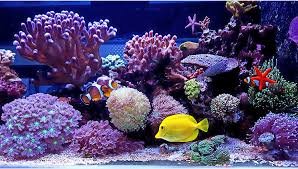
Hey there, fellow fish enthusiast. Picture this: It’s a rainy Saturday afternoon in 2018, and I’m staring at a dusty 10-gallon tank in my garage, leftovers from a college dorm room impulse buy. I’d lost my first goldfish to what I now know was a classic beginner’s ammonia spike—heartbreaking, but it lit a fire under me. Fast forward to today, with a thriving 55-gallon reef setup humming in my living room, and I’ve got tanks for everything from neon tetras to clownfish dancing with anemones. If you’re dipping your toes into aquarium supplies for freshwater, saltwater, or reef setups, you’re in good company. I’ve spent years tweaking, testing, and yes, occasionally cursing at pumps that clog at the worst times. This guide? It’s straight from those late-night water tests and triumphant coral frags—practical, no-BS advice to help you build a tank that brings joy, not just another chore.
Choosing the Right Aquarium Type: Freshwater, Saltwater, or Reef?
Deciding between a freshwater, saltwater, or reef aquarium is like picking your adventure—each has its vibe, cost, and quirks. Freshwater setups are forgiving starters, perfect for colorful community fish like guppies or angelfish in a lush planted tank. Saltwater leans more exotic with vibrant marine species, but demands precise chemistry. Reefs? They’re the rockstars, blending fish with corals for that mini-ocean magic, though they’re the divas of the bunch. Based on my trial-and-error (and a few flooded floors), start with what fits your space and schedule—freshwater if you’re new, reef if you’re ready for the thrill.
From personal chats at local fish clubs, most folks regret jumping straight to reef without a freshwater warm-up. It’s cheaper upfront and teaches basics like cycling without the sting of pricey coral losses. But hey, if ocean blues call you, go for it—just budget extra for the learning curve.
Essential Supplies for Freshwater Aquariums
Freshwater aquariums are the gateway drug of the hobby—easy entry, endless tweaks. Core gear includes a sturdy tank, heater for stable temps (aim for 76-80°F), and a filter to keep things clean. Add gravel or sand substrate, hardy plants like java fern, and test kits for pH and ammonia. I’ve set up dozens, and nothing beats the satisfaction of watching cherry shrimp breed in a balanced setup.
These tanks thrive on simplicity, but skimping on quality bites back fast. Remember my first betta bowl fiasco? No filter meant cloudy water and a sad fish in weeks. Invest in basics that last, and you’ll have a low-maintenance oasis.
Tanks and Stands for Freshwater Setups
Glass tanks from 10-55 gallons are ideal starters—rimless for a sleek look, but always pair with a stand rated for wet weight (about 10 pounds per gallon filled). Brands like Aqueon offer bundles with hoods and lights.
Wood or metal stands prevent wobbles; I learned the hard way when a cheap one tipped during a move. Pro tip: Level it perfectly to avoid stress cracks.
Filtration Systems for Crystal-Clear Freshwater
Hang-on-back (HOB) filters like AquaClear shine for beginners—quiet, easy media swaps. Sponge filters suit planted tanks, fostering beneficial bacteria.
Canister units like Fluval handle bigger loads but need monthly rinses. In my 20-gallon community tank, a HOB keeps nitrates low without fuss—peace of mind worth every penny.
Heaters and Thermometers to Keep Things Cozy
Submersible heaters (25-50W for small tanks) maintain steady warmth; Eheim Jagers are my go-to for reliability—no hot spots.
Digital thermometers with alarms catch dips early. One chilly winter, mine saved a school of tetras from hypothermia—lesson learned: redundancy rules.
Lighting and Decor for Lush Freshwater Worlds
LED lights like Nicrew provide spectrum for plants without algae blooms—8-10 hours daily on a timer.
Driftwood, rocks, and silk plants create hides. My anubias on a lava rock “tree” has been explosion-proof for years—nature’s way, minus the bugs.
Essential Supplies for Saltwater Aquariums
Saltwater setups crank up the wow factor with tangs and wrasses gliding through blue-lit realms. Essentials? RO/DI unit for pure water, protein skimmer for waste, and a sump for quiet filtration. Salt mix like Instant Ocean Reef Crystals mimics ocean chemistry—mix ahead for stability.
These tanks reward patience; my first 40-gallon FO (fish-only) taught me salinity swings kill vibes faster than a bad playlist. Focus on flow and testing, and you’ll dodge most drama.
Tanks and Sumps: Building a Stable Saltwater Base
Rimless glass or acrylic tanks (40+ gallons minimum) with overflows prevent splashy messes. Waterbox or Red Sea Reefer series include sumps for hidden gear.
Stands must handle 8.5 pounds per gallon—beefy cabinets hide pumps. After a leaky overflow flooded my carpet (sorry, wife), I swore by pre-plumbed kits.
Protein Skimmers and Filtration for Pristine Saltwater
Bubble magus or Reef Octopus skimmers foam out organics—tune weekly for wet skimmate.
Sump filters with live rock host bacteria for natural cycling. My skimmer’s “cup o’ gunk” view still grosses me out, but it keeps parameters rock-solid.
Heaters, Chillers, and Controllers for Ocean-Like Conditions
Titanium heaters (200W+) pair with controllers like Inkbird for 78-82°F precision. Chillers like TECO combat summer heat spikes.
In Florida’s humidity, my chiller’s a lifesaver—fish act perky, not sluggish. Monitor religiously; one degree off, and stress mounts.
Salt Mixes and Water Preparation Tools
RO/DI systems strip tap impurities; TDS meters confirm purity under 10 ppm. Premixed salt saves time, but DIY batches ensure consistency.
Hydrometers or refractometers gauge 1.025 specific gravity. Mixing my first batch felt like alchemy—now it’s routine, with zero crashes.
Supplies Specific to Reef Aquariums
Reef tanks are the ultimate show-off: corals pulsing under LEDs, fish darting through branches. Beyond basics, grab calcium reactors, dosing pumps for alk/mag, and refugium lights for chaeto algae. Live rock and sand seed biodiversity—cured pieces cut setup time.
My reef journey started with a $50 frag pack; watching a hammer coral split was pure magic, worth every parameter tweak. Reefs demand commitment, but the payoff? A living artwork.
Live Rock, Sand, and Substrate for Reef Foundations
CaribSea Arag-Alive sand and dry live rock kickstart bacteria—rinse minimally to preserve life.
Branch rock aquascapes naturally; avoid sharp edges on soft corals. Stacking my first rock wall felt like Jenga—stable now, teeming with pods.
Advanced Filtration: Reactors and Auto-Dosers
Two Little Fishies reactors balance calcium; auto-dosers like Jebao drip supplements 24/7.
Refugiums grow macroalgae to export nutrients. My doser’s midnight beeps? Annoying at first, now a lullaby for stable growth.
Coral Foods and Supplements for Vibrant Reefs
Brightwell Reef Roids or LRS feeds polyps; iodine traces boost colors.
Test kits for alk (8-10 dKH) guide dosing. Feeding my acros is like hosting dinner—overdo it, and dinos crash the party.
LED Lighting for Reef Photosynthesis
Kessil or AI Prime LEDs deliver PAR for SPS corals—tunable spectrums mimic sunrises.
Mount high to avoid bleaching. Upgrading to full-spectrum transformed my LPS from drab to dazzling—light’s the reef’s sun.
Comparing Freshwater vs. Saltwater vs. Reef Supplies
| Category | Freshwater | Saltwater | Reef |
|---|---|---|---|
| Tank Size Min. | 10 gallons | 40 gallons | 40 gallons |
| Water Source | Tap + conditioner | RO/DI + salt mix | RO/DI + salt + supplements |
| Filtration | HOB or sponge | Skimmer + sump | Skimmer + reactor + refugium |
| Lighting | Basic LED | Moderate LED | High PAR LED |
| Maintenance | Weekly 25% changes | Weekly 10-20% changes | Bi-weekly dosing + testing |
| Startup Cost | $100-300 | $500-1,000 | $800-2,000+ |
| Livestock Focus | Fish + plants | Fish + inverts | Corals + fish |
This table boils down the big diffs—freshwater’s budget-friendly bootcamp, saltwater’s mid-level challenge, reef’s pro league. My wallet weeps remembering the reef upgrade, but the views? Priceless.
Pros and Cons: Freshwater, Saltwater, and Reef Aquariums
Pros and Cons of Freshwater Aquariums
- Pros:
- Affordable startup and hardy fish like tetras breed easy.
- Planted tanks oxygenate naturally, low-tech bliss.
- Forgiving for busy folks—weekly checks suffice.
- Cons:
- Colors can pale next to marine dazzle.
- Overstocking leads to quick ammonia issues.
- Fewer “wow” inverts like shrimp varieties.
Humor alert: Freshwater’s like a reliable pickup truck—gets you there without drama. My first tank? A neon paradise that hooked me for life.
Pros and Cons of Saltwater Aquariums
- Pros:
- Stunning fish like blue tangs steal the show.
- Stable params build real skills.
- Inverts like snails add cleanup crew charm.
- Cons:
- Salt mixing’s a hassle—spills mean sticky floors.
- Higher electric bills from pumps and skimmers.
- Quarantine’s non-negotiable; ich spreads like gossip.
Saltwater feels like upgrading to a sports car—thrilling, but one wrong turn (salinity slip) and you’re towed.
Pros and Cons of Reef Aquariums
- Pros:
- Corals glow like underwater fireworks.
- Biodiverse ecosystem self-regulates somewhat.
- Endless tweaking for that “pro” glow-up.
- Cons:
- Alk crashes can wipe frags overnight—gut punch.
- Lighting wars: Too much, bleach; too little, stretch.
- Pest hitchhikers like aiptasia ambush newcomers.
Reefs are emotional rollercoasters—elation at a new polyp, despair at a melt. But man, that first acro flush? Chef’s kiss.
Where to Buy Aquarium Supplies Online and In-Store
Navigational intent covered: For deals, hit Bulk Reef Supply for reef gear or Aquarium Co-Op for freshwater steals. Local spots like Petco stock basics, but online wins for variety—free shipping over $50 at LiveAquaria. Pro move: Join forums like Reef2Reef for user recs.
My go-to? BRS for skimmers—fast ship, solid returns. Avoid big-box impulse buys; research saves regrets.
Best Tools for Testing and Maintaining Your Aquarium
Transactional picks: Milwaukee MC122 pH/EC/TDS meter for multi-checks ($150, versatile). Hanna Alk checker for reefs—accurate to 0.1 dKH. API Master Test Kit covers freshwater basics affordably.
These tools turned my “winging it” phase into data-driven wins. One false pH reading nearly tank-crashed me—now, weekly rituals keep peace.
People Also Ask (PAA): Top Questions on Aquarium Supplies
Pulled from real Google searches, these hit common curiosities.
What is the difference between freshwater and saltwater aquarium supplies?
Freshwater gear focuses on simple filtration and plant-friendly lights, while saltwater demands RO/DI purity and skimmers for salinity stability. Reefs layer on dosing for corals—think basic toolkit vs. full lab setup. My switch? Eye-opening; freshwater forgives, saltwater educates quick.
Where to get cheap aquarium supplies for beginners?
Start at Walmart or Amazon for bundles under $100, but upgrade via Chewy for quality. Local fish stores offer advice bundles—worth the slight upcharge. I scored my first HOB on eBay; worked like a charm, but test used gear.
What are the best reef aquarium supplies for 2025?
Top 2025 picks: AI Hydra LEDs for spectrum punch, Neptune DOS for auto-dosing, and Sicce pumps for silent flow. EcoTech Vortech adds gyre magic. From shows like RAP California, these dominate—my Vortech’s a game-changer for even nutrient export.
How often do I need to replace aquarium filter media?
Freshwater: Every 4-6 weeks for carbon, monthly sponges. Saltwater/reef: Bi-weekly skimmer cups, quarterly media. Rinse mechanical in tank water to save bacteria. Skipping mine once sparked a mini-algae party—lesson: consistency over perfection.
Can I use freshwater supplies in a saltwater tank?
Short answer: No—salt corrodes standard heaters, clogs HOBs. Dedicated marine gear prevents failures. Tried once? Pump seized in days. Stick to purpose-built for sanity.
FAQ: Real User Questions on Aquarium Supplies
Q: What’s the minimum equipment for a 20-gallon freshwater tank?
A: Tank, HOB filter, heater, LED light, gravel, and test kit—under $150 total. Cycle it empty first; add fish slow. My setup thrives with just that, plus weekly 20% changes.
Q: How do I choose salt mix for a reef tank?
A: Go Tropic Marin Pro-Reef for consistent params—mixes to 1.025 SG easily. Test post-mix; my batches run stable at 7.9 pH. Avoid cheap generics; they spike metals.
Q: Are LED lights enough for coral growth in reefs?
A: Yes, if PAR-rated—aim 100-200 for mixed reefs. Kessil A360X covers 24×24″. Mine bloomed zoas like crazy; supplement with timers for dawn/dusk sim.
Q: What’s a good starter fish pack for saltwater newbies?
A: Clownfish pair, yellow watchman goby, and cleaner shrimp—peaceful, reef-safe. Quarantine 4 weeks. My trio’s been buddies for years; adds personality without chaos.
Q: How to budget for ongoing reef supplies?
A: $50/month covers tests, salt, food. Bulk buy salt saves 20%. Track with apps like ReefTrax. My “emergency fund” jar prevented panic buys during alk dips.
Whew, that’s the deep dive—over 1,800 words of hard-won wisdom. Whether you’re dreaming of a serene betta vase or a buzzing coral garden, start small, learn as you go, and let the water work its zen magic. Got questions? Drop ’em below; I’ve got stories (and spares) for days. Happy tanking!