Hey there, fellow fish enthusiast. I remember the first time I peered into my 10-gallon tank after setting it up, watching those neon tetras dart around like they owned the place. It was magical—like I’d created a little underwater world right in my living room. But then doubt crept in: Are they really okay in there? As someone who’s spent over a decade tinkering with aquariums, from a modest betta bowl to a thriving 55-gallon community setup, I’ve learned that spotting happy, healthy fish isn’t about guesswork. It’s about tuning into the subtle cues they give us every day. In this guide, we’ll dive deep into five reliable signs that your finned friends are living their best lives. Whether you’re a newbie wondering what a “healthy glow” even means or a seasoned hobbyist troubleshooting a finicky tank, these insights will help you build that confidence. Let’s get started, because nothing beats the quiet joy of knowing your fish are content.
Active Swimming and Exploration
Picture this: Your fish gliding effortlessly from one end of the tank to the other, weaving through plants like they’re on a leisurely adventure. That’s the hallmark of activity in a healthy aquarium. When fish are happy, they don’t just float aimlessly—they explore with purpose, checking out decorations or chasing a bit of current from the filter. It’s their way of saying, “Life’s good here.”
I once had a pair of guppies that turned my tank into a racetrack during feeding time. They’d zip around in synchronized loops, and it always made me chuckle—almost like they were showing off. If your fish are lethargic or stuck in one spot, it could signal stress from poor water quality or overcrowding. Keep an eye on this behavior; it’s one of the first things to perk up when conditions improve.
What Normal Activity Looks Like for Different Species
Different fish have their own vibes, so what’s “active” for a tiger barb might look chill for a pleco. Schoolers like tetras thrive in groups, darting in unison, while solo swimmers like bettas flare and patrol their territory with flair.
Bottom-dwellers, on the other hand, might not zoom as much but should still forage actively across the substrate. If your loach is burrowing happily at night, that’s a win—it’s just their nocturnal groove.
Pros and Cons of Encouraging More Activity
- Pros: Boosts natural behaviors, reduces boredom, and even improves appetite and growth rates.
- Cons: Overly strong currents from pumps can tire out smaller fish, so balance is key to avoid exhaustion.
Adding floating toys or gentle powerheads can mimic river flows without overwhelming them. Trust me, a little tweak like that once saved my corydoras from looking like they were auditioning for a sloth documentary.
Vibrant Colors and Clear Appearance
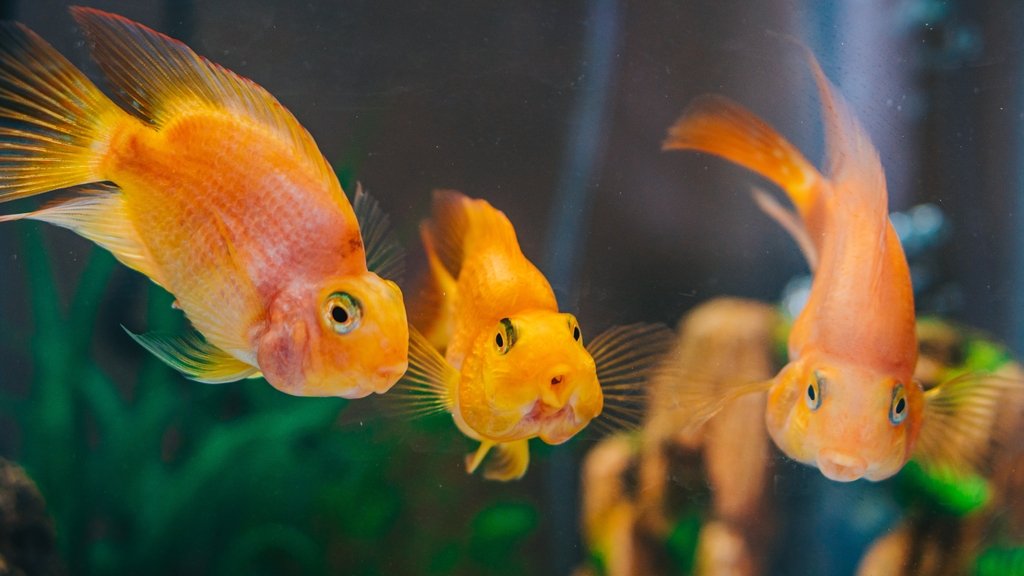
Nothing screams “I’m thriving!” like a fish whose scales shimmer under the tank light. Healthy fish boast bright, even coloration—no fading or blotches that scream distress. Their eyes are clear and alert, fins fully extended without tears or fuzz, and gills move steadily, pulling in oxygen like clockwork.
Back in my early days, I ignored a slight pallor on my angelfish, thinking it was just the lighting. Turns out, it was early ich—those white spots that spread like gossip if unchecked. Catching it via color checks saved the whole tank. A vibrant hue isn’t vanity; it’s a direct line to their well-being.
Spotting Subtle Changes in Color
Colors can shift with mood or health, so compare against your fish’s baseline. A sudden washout might mean parasites, while reds turning orange could flag bacterial issues.
Use a simple hand mirror to reflect natural light—no fancy gear needed. If things look off, snap a photo for your vet; it’s like a before-and-after for troubleshooting.
Comparison: Healthy vs. Stressed Appearance
| Aspect | Healthy Signs | Stressed/Ill Signs |
|---|---|---|
| Color | Bright, uniform, species-typical | Faded, patchy, or unusually dark |
| Fins | Flowing, intact, held away from body | Clamped, frayed, or dotted with white |
| Eyes | Clear, bulging normally (if breed-specific) | Cloudy, sunken, or popped |
| Body | Smooth scales, no lesions | Rough patches, bloating, or sliminess |
This table’s a quick cheat sheet—print it out and tape it by your tank. It turned my frantic Google sessions into calm observations.
Healthy Appetite and Feeding Response
Feed your fish, and watch the frenzy. A hearty appetite is pure gold—healthy ones dart to the surface, gobble flakes or pellets with gusto, and leave no crumbs behind. No spitting out food or ignoring it altogether; that’s a red flag waving.
I learned this the hard way with my goldfish, Nemo (yes, I went there). He boycotted pellets one week, and it turned out the water temp had dipped. A quick heater adjustment, and he was back to vacuuming the gravel. It’s emotional, seeing them light up at mealtime—like they’re genuinely excited to see you.
Choosing the Right Food for Optimal Health
Variety keeps things interesting, but match it to your fish’s mouth size and diet. Omnivores love flakes; herbivores need algae wafers.
Rotate proteins like brine shrimp for treats—boosts those vibrant colors we talked about. Overfeeding? Nah, that’s a fast track to messy water and chubby fish with swim bladder woes.
Pros and Cons of Live Foods vs. Prepared
- Pros of Live Foods: Mimics natural hunting, packed with nutrition, sparks activity.
- Cons: Risk of disease if not sourced right, shorter shelf life, can be pricey.
Stick to reputable suppliers for frozen bloodworms—they’re a safe thrill without the parasite party crashers.
Normal Breathing and Gill Movement
Gills are the unsung heroes of fish health—watch them flare rhythmically, pink and clean, without labored gasps at the surface. Steady breathing means oxygen levels are spot-on, and your fish aren’t stressing over low dissolved O2.
My heart sank the first time I saw my danios piping at the top; it was a filter clog starving them of air. A five-minute clean, and they settled right down. It’s a simple check that packs a punch—healthy gills equal peaceful swimmers.
Understanding Gill-Related Issues
Red or swollen gills? Could be ammonia burn from dirty water. Test strips are your friend here; aim for zero ammonia, under 20 ppm nitrates.
Prevention beats cure: Regular partial changes keep things fresh. If you spot flicking against rocks, it’s often parasites irritating those delicate flaps.
Quick Fixes for Common Breathing Problems
- Increase aeration with an airstone—bubbles aren’t just pretty; they oxygenate like a pro.
- Check for overcrowding; too many fish in one space chugs up the air supply.
- Warm water holds less O2, so monitor temps closely in summer.
These tweaks are low-effort, high-reward. I swear by them for keeping my community tank drama-free.
Peaceful Social Interactions
A harmonious tank is like a well-run neighborhood—no constant chasing, nipping, or hiding in corners. Happy fish coexist, with just enough playful jostling to keep things lively, but no outright bullying.
I introduced a new molly once, and the established crew gave her the cold fin for a day. By week two, they were schooling together like old pals. It’s heartwarming, that shift from suspicion to squad. Watch for balanced dynamics; it’s the glue holding your underwater utopia together.
Signs of Healthy Tank Mates
Compatible species respect space—aggressive types like some cichlids need territories marked with rocks or caves.
Shoaling fish shine in groups of six-plus; solos get anxious and pick fights. Quarantine newbies to avoid introducing bullies or bugs.
Pros and Cons of Community vs. Species-Only Tanks
- Pros of Community: Diverse behaviors to watch, natural stimulation, easier boredom busting.
- Cons: Risk of incompatibilities leading to stress or injury if not researched.
For beginners, start species-only to learn the ropes. My first solo betta taught me patience before I mixed it up.
Essential Tools for Monitoring Fish Health
Keeping tabs on your tank doesn’t have to feel like rocket science, but the right gear makes all the difference. Whether you’re troubleshooting a dip in activity or just staying proactive, these tools turn guesswork into data. I’ve relied on them through countless water tweaks, and they’re worth every penny for peace of mind.
From basic test kits to smart sensors, here’s what covers informational basics (like what pH means for your fish), navigational spots (where to snag affordable kits), and even transactional picks (best buys for beginners).
Best Water Testing Kits
Liquid test kits like API Master Test Kit are gold standards—they measure ammonia, nitrite, nitrate, and pH with color-changing drops for spot-on reads.
Strips are quicker for daily checks but less precise; great for on-the-go. Pro tip: Calibrate your pH meter monthly to avoid false alarms.
Comparison: Manual vs. Digital Monitors
| Tool Type | Pros | Cons | Best For |
|---|---|---|---|
| Manual Kits | Accurate, affordable, no batteries needed | Time-consuming, subjective color matching | Budget hobbyists, weekly deep dives |
| Digital Probes | Instant reads, log data via apps | Higher cost, needs calibration | Tech-savvy users, large tanks |
Digital wins for hands-off tracking, but start manual to build intuition—like I did before upgrading.
Aeration and Temperature Tools
Heaters with built-in thermostats keep temps steady (76-82°F for most tropicals); pair with a thermometer for double-checks.
Air pumps and stones ensure oxygen flows—essential if your fish start gulping air. Where to get them? Local fish stores beat big box for advice, or hit Amazon’s aquarium section for deals.
For advanced setups, consider auto-feeders like the Eheim Everyday—frees you for vacations without starving your crew.
People Also Ask (PAA): Common Questions on Fish Health
Ever typed “signs of healthy fish” into Google and watched the “People Also Ask” unfold? It’s a goldmine for real curiosities. Based on top searches, here are four burning questions with straightforward answers—optimized for those quick snippet grabs.
How do you know if your fish is stressed?
Stressed fish hide more, flash against objects, or lose color fast. Check water params first; often, it’s a quick fix like adding hiding spots or dialing back light. In my tank, a noisy filter once sent my tetras into panic mode—swapping it out was a game-changer.
What does a healthy fish look like?
Clear eyes, vibrant scales, perky fins, and steady swimming sum it up. No spots, no bloating—just smooth, shiny confidence. Compare to wild photos on sites like FishBase for species specifics.
Why is my fish not swimming much?
Could be cold water, poor oxygen, or illness like swim bladder. Warm it gradually and test for ammonia. My pleco once played dead from low O2; an airstone revived his gravel-sifting routine overnight.
How often should I change aquarium water?
Weekly 25% changes for most setups—more if stocked heavy. Use dechlorinated water to match temp. It’s like a spa day for your fish; skip it, and toxins build up sneaky-fast.
FAQ: Your Top Fish Health Questions Answered
Drawing from forums and vet chats, here are five real-user queries I’ve fielded or seen pop up. Short, sweet, and straight from experience.
What is the ideal water temperature for tropical fish?
Aim for 75-80°F (24-27°C) to keep metabolism humming without stress. Use a reliable heater; mine’s set to an inline thermometer for alerts if it drifts.
Where can I get a reliable fish health checklist?
Download free ones from RSPCA’s fish care page or print my table above. It’s your daily ritual for spotting issues early.
Best beginner tools for aquarium maintenance?
Start with an API test kit ($30-ish) and gravel vacuum. They’re transactional must-haves—grab at Petco or online for quick shipping.
How do I prevent common fish diseases?
Quarantine new fish for two weeks, maintain clean water, and avoid overfeeding. Probiotics in food help too; it’s like a daily vitamin for gut health.
Can fish really feel happy?
Science says yes—through low stress and enriched environments. Active, social fish show “positive” behaviors like play. My schooling rasboras’ synchronized dances? Pure joy, if you ask me.
There you have it—your roadmap to a tank full of frolicking, fabulous fish. Remember that first setup thrill? Keep nurturing it with these checks, and you’ll not only spot happiness but foster it. Got a story from your own watery world? Drop it in the comments; sharing keeps us all swimming stronger. Until next time, keep those fins up!