Hey there, fellow nature lover. Picture this: You’re sipping your morning coffee on the porch, the sun just peeking over the fence, when a whirlwind of dark shapes descends on your lawn. They hop around like they’re auditioning for a feathered flash mob, chattering away in a language that’s half symphony, half barnyard brawl. Starlings? Blackbirds? Or some shadowy imposters? I’ve been there, binoculars in hand, feeling like a detective in a feathered film noir. As someone who’s spent more weekends than I care to count chasing these elusive clusters through fields and parks—once even getting dive-bombed by an irate grackle during a family picnic—I’ve learned a thing or two about telling these medium-sized blackish birds apart. It’s not just about spotting the difference; it’s about appreciating the wild drama unfolding right in your yard. Let’s dive in, shall we? By the end, you’ll be the one schooling your friends on why that glossy flock isn’t what it seems.
What Are Starlings? A Quick Introduction to the Ultimate Shapeshifter
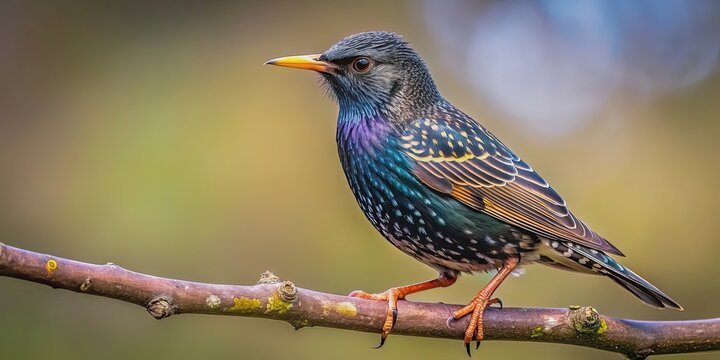
Starlings aren’t your average backyard bully—they’re the Houdinis of the bird world, capable of vanishing into a sea of black feathers one moment and exploding into iridescent fireworks the next. Native to Europe but now global jet-setters thanks to a 19th-century whim in New York, these medium-sized songbirds clock in at about 8 inches long, with a stocky build that screams “compact powerhouse.” What sets them apart? That glossy plumage shifts from purple-blue in the sun to a speckled winter coat, like they’ve raided a jewelry box. I’ve watched them strut across my lawn, turning a simple worm hunt into a fashion show, and it never fails to make me chuckle at their audacity.
Spotlight on Medium-Sized Blackish Birds: The Usual Suspects
When we talk medium-sized blackish birds, we’re zeroing in on those 7- to 12-inch wonders that blend into twilight skies but light up with subtle clues up close. Think grackles with their punk-rock attitudes, cowbirds playing the long con on other nests, or Brewer’s blackbirds adding a Western flair to the mix. These aren’t just “black birds”—they’re a rogues’ gallery of iridescent sheen and sharp calls, often flocking in numbers that turn fields into avian raves. Spotting them feels like cracking a code, especially when they crash your feeder party uninvited, leaving crumbs and chaos in their wake.
European Starling: The Invasive Charmer
The European starling steals the show with its stocky frame and that dagger-like yellow bill in breeding season—think of it as a feathered switchblade. Glossy black with purple-green highlights, it molts into a spotted tuxedo by fall, perfect for blending into leaf litter. I once mistook a flock for my neighbor’s escaped parrots because of their mimicry; they nailed a car alarm so convincingly, I checked my keys twice. These birds thrive in cities and farms, probing lawns for bugs with relentless energy.
Common Grackle: The Swaggering Show-Off
Grackles strut like they own the sidewalk, their long keel-shaped tails fanning out like a bad guy’s cape. At 11 inches, they’re chunkier than starlings, with piercing yellow eyes that scream “don’t mess with me” and a bill that’s all business—thick and black year-round. That bronze-blue sheen on their heads catches the light like oil on water, and their rusty “chuck” call is the avian equivalent of a throat-clearing tough guy. During a rainy hike last spring, a grackle perched on my backpack, eyeing my trail mix with clear disdain—it was equal parts hilarious and humbling.
Brown-Headed Cowbird: The Sneaky Opportunist
Don’t let the name fool you; cowbirds are no cow tippers—they’re brood parasites, slipping eggs into other birds’ nests like uninvited guests at a potluck. Males rock a chocolate-brown head atop jet-black bodies, about 8 inches long, with a thick conical bill built for seeds. Females? Drabber brown overall, but those dark eyes give away their scheming vibe. I spotted one “dumping” an egg during a dawn walk once, and it hit me: nature’s got more plot twists than a soap opera.
Brewer’s Blackbird: The Western Underdog
Out West, Brewer’s blackbirds rule the roost with their glossy black males—pale yellow eyes and a subtle purple gloss that says “subtlety is overrated.” Females are plain brown, but the whole crew’s about 9 inches, with long legs for striding through grasslands. They’re the quiet type in mixed flocks, but their “chuck” notes add a low hum to the chorus. On a road trip through Montana, a roadside flock turned my pit stop into an impromptu ID lesson—turns out, they’re tougher than they look, thriving where others falter.
Key Differences: Starlings vs. Their Blackish Cousins
Ever stared at a flock and thought, “Is that a starling or a grackle in disguise?” You’re not alone—I’ve scratched my head over blurry silhouettes more times than I’d admit. The magic is in the details: tails, bills, eyes, and strut. Starlings keep it short and pointed, like a sports car; grackles go long and keel-shaped, more like a lowrider. Add in seasonal molts, and it’s a birdwatcher’s puzzle. But once you crack it, every sighting feels like a win. Let’s break it down—no PhD required.
| Feature | European Starling | Common Grackle | Brown-Headed Cowbird | Brewer’s Blackbird |
|---|---|---|---|---|
| Size (inches) | 7.5–9 | 11–13 | 7.5–8.5 | 8–10 |
| Tail Shape | Short, notched | Long, keel-shaped | Medium, rounded | Medium, squared-off |
| Bill | Long, pointed; yellow (summer) | Thick, straight; black | Short, conical; black | Slender, pointed; black |
| Eyes | Dark | Bright yellow | Dark | Pale yellow (males) |
| Legs | Pinkish | Dark gray | Dark | Dark |
| Plumage Notes | Iridescent purple-green; winter spots | Bronze head, glossy body | Brown head (males); plain brown (females) | Glossy black (males); brown (females) |
| Call | Whistles, rattles, mimics | Harsh “quaaak” | Bubbly gurgles | Creaky “chuck” |
This table’s my go-to cheat sheet—laminate it for your next outing. Notice how grackles’ yellow peepers pop like headlights? That’s your giveaway in a flock.
How to Identify Medium-Sized Blackish Birds in the Field
Field identification isn’t about perfection; it’s about stacking clues until the puzzle clicks. Start with shape—stocky starling or lanky grackle?—then zoom in on eyes and bills. Listen up: starlings remix sounds like a DJ, while grackles creak like unoiled gates. Behavior seals it—starlings probe grass in zigzags, cowbirds trail bison (or cows) like groupies. I remember fumbling my first solo ID on a foggy trail; a “black blob” turned out to be a cowbird mobbing a nest. Pro tip: apps like Merlin can confirm your hunch, but nothing beats the thrill of nailing it solo.
- Size check: Compare to a robin (starlings match; grackles overshoot).
- Flight style: Starlings’ pointed wings slice air; grackles fan tails like brakes.
- Flock dynamics: Starlings murmur in synchronized swirls; blackbirds scatter like confetti.
- Habitat hints: Urban edges for starlings; wetlands for grackles.
Pros and Cons: Why These Birds Are Love-Hate Heroes
These blackish birds aren’t villains or saints—they’re survivors with silver linings and sharp edges. Starlings devour pests like they’re on a bug buffet, but their flocks can strip orchards bare. Grackles keep fields tidy of insects, yet their “creaky door” calls might grate on city nerves. Weighing the good with the gritty helps us coexist, turning frustration into fascination. After all, who doesn’t love a bird with a backstory?
Pros of Starlings and Blackish Birds
- Pest control pros: They gobble grubs and beetles, saving your lawn from invasion.
- Murmuration magic: Winter skies turn poetic with their aerial ballets—pure awe.
- Seed spreaders: They plant berries and wildflowers, boosting biodiversity.
- Mimicry marvels: Starlings’ impressions add comedy to dawn choruses.
Cons of Starlings and Blackish Birds
- Feeder freeloaders: They bully smaller birds, emptying trays in minutes.
- Crop crashers: Orchards and vineyards dread their fruity feasts.
- Noise ninjas: Flocks rival rock concerts—charming until they’re your neighbors.
- Nest poachers: Cowbirds’ egg-dumping edges out natives like bluebirds.
Habitat and Behavior: Where the Action Happens
These birds don’t just show up—they claim space with flair. Starlings cozy up to suburbs, nesting in eaves and foraging lawns like urban foragers. Grackles prefer open watersides, strutting marshes with cowboy swagger. Behavior? It’s flock frenzy: probing, preening, and plotting in packs that swell to thousands. I once tailed a starling murmuration at dusk; the sky rippled like living ink, a reminder that nature’s shows are free—if you know where to sit.
Diet and Feeding: From Bugs to Backyard Buffets
Omnivores to the core, these birds devour anything edible—worms one minute, berries the next. Starlings spear insects with precision; grackles snatch frogs mid-leap. At feeders, they favor seeds but turn up noses at safflower (starlings’ kryptonite). Navigational intent? Stock suet cages for woodpecker allies, or scatter mealworms for a protein punch. Transactional tip: For the best tools, snag a Squirrel Buster feeder to keep the peace—it’s saved my sanity more than once.
Conservation Challenges: Balancing Act in a Changing World
Here’s where it gets real: starlings, as invasives, outcompete natives for nests, dropping bluebird numbers like a bad stock tip. Blackbirds face habitat loss from sprawl, their wetlands shrinking faster than ice caps. Yet they’re resilient, adapting to our messes. Emotional pull? Watching a grackle parent teach fledglings hits hard—fierce love in a fragile world. We can help: Plant native berries, skip pesticides, and report invasives to Cornell Lab’s eBird. Small steps, big ripples.
People Also Ask: Real Questions from Curious Minds
Google’s got the pulse on what folks wonder about these feathered enigmas. Pulled straight from searches, these hit common pain points—informational deep dives with a dash of wit.
Why are starlings bad for the environment?
Starlings, those glossy gatecrashers, bully native birds out of cavities and devour crops, costing farmers millions. But hey, they do munch pests too—nature’s double-edged sword. Blame their 1890s intro; now they’re 200 million strong in North America.
How do I keep starlings and blackbirds away from my bird feeder?
Go for caged feeders or safflower seeds—they hate the taste, like birds skipping kale. Remove trays for a week to reset the menu; it’s tough love, but finches will thank you. Pro move: Use this weight-activated perch to boot the bulkier bullies.
What’s the difference between a starling and a blackbird?
Blackbirds (like red-wings) are native icterids with shoulder flashes; starlings are Old World mimics with speckled winter coats. Tail length clinches it—starlings stubby, blackbirds fanned. Fun fact: Starlings aren’t “true” blackbirds; it’s like calling pizza a vegetable.
Do starlings and grackles flock together?
Absolutely—they’re flock buddies in winter, mixing like oil and… well, more oil. Grackles lead the charge in fields; starlings add the aerial acrobatics. Spot the combo by yellow eyes (grackles) amid the murmur.
Where can I see starling murmurations?
Head to UK reed beds or U.S. farm fields at dusk—Scotland’s Aberlady Bay is murmuration central. Locally? Check urban parks; I’ve caught mini-shows over reservoirs. Timing: October through February for the full spectacle.
FAQ: Your Burning Questions Answered
Got queries bubbling up? These cover the hits from forums and chats—straight talk, no fluff.
Q: Are all blackish birds starlings?
A: Nope—grackles, cowbirds, and Brewer’s blackbirds share the vibe but hail from different families. Key: Check the bill and eyes. If it’s yellow-billed and mimicking your phone ring, congrats, it’s a starling.
Q: How do I attract beneficial blackish birds without the invasives?
A: Focus on natives—plant elderberries for grackles, skip open platforms for starlings. A native plant guide from Audubon is gold; it draws the good guys while ghosting the gatecrashers.
Q: What’s the best app for ID’ing these birds on the go?
A: Merlin Bird ID—snap a pic, and it spits back matches with confidence scores. Free, fast, and beats fumbling a field guide in the rain. Pair it with eBird for logging your wins.
Q: Do these birds carry diseases?
A: Potentially—starling droppings can harbor histoplasmosis, a lung fungus from dust. Grackles less so, but flocks mean mess. Clean feeders weekly, wear a mask for big cleanups, and wash up. Better safe than wheezy.
Q: Can I remove a starling nest from my house?
A: Legally, yes—they’re non-protected. But wait till empty (post-fledging), plug holes with hardware cloth. If active, call a pro; evicting chicks mid-brood’s a heartbreaker. Prevention’s kinder: Seal cracks pre-spring.
Whew, we’ve covered a lot of ground—from flock frenzy to feeder fixes. Next time those blackish whirlwinds hit your yard, you’ll greet them like old pals, armed with IDs and a grin. Me? I’m off to tweak my suet cage before the grackles stage a coup. What’s your latest bird tale? Drop it in the comments—let’s keep the conversation flying. Happy spotting!