Hey there, mate. Picture this: I’m perched on a weathered log in the Daintree Rainforest, sweat trickling down my back, binoculars glued to my eyes as a flash of electric blue darts through the undergrowth. That was my first encounter with a superb fairy-wren, and it hooked me for life. As a bloke who’s spent more weekends than I can count chasing feathers across this sunburnt country—from the arid outback to coastal scrubs—I’ve got a soft spot for Australia’s birds. With over 850 species, 45% found nowhere else on earth, picking favourites feels like choosing between a cold beer and a hot pie. But after years of birdwatching, joining citizen science counts like the Aussie Bird Count, and even getting swooped by a magpie (twice), here’s my heartfelt top 10. These aren’t just pretty pictures; they’re the feathered characters that make our backyard wild feel alive. Let’s dive in, shall we?
Why Australia’s Birds Steal the Show
Australia’s isolation has brewed up a bird bonanza that’s equal parts quirky and captivating. Think parrots that originated here, songbirds that conquered the globe from our shores, and endemics like the lyrebird mimicking chainsaws. But it’s not all postcard-perfect—habitat loss and climate shifts are hitting hard, with over 50 species threatened. That’s why spotting these favourites hits different; it’s a reminder to tread lightly and support spots like BirdLife Australia. From my trips, nothing beats the thrill of a dawn chorus in Lamington National Park, where the air hums with life. If you’re new to this, grab a field guide like The Australian Bird Guide—it’s a game-changer for sussing out plumages.
1. Rainbow Lorikeet: The Party Animal of the Skies
These pint-sized fireworks have topped the Aussie Bird Count for years, and for good reason—they’re the ultimate show-offs. With plumage splashing every colour of the rainbow, they screech through eucalypts like feathered rockstars, slurping nectar and chattering non-stop. I once watched a flock descend on a backyard grevillea in Brisbane, turning a quiet arvo into a feathery mosh pit. It’s hilarious how they’ll dive-bomb feeders, but their love for urban life means they’re everywhere from Sydney parks to Perth suburbs.
What sets them apart? That iridescent sheen shifts in the light, making each bird look photoshopped. They’re nectar fiends, pollinating natives while dodging cats—talk about multitasking.
2. Australian Magpie: The Suburban Swooper with a Golden Voice
Ah, the magpie—Australia’s feathered enforcer and unofficial soundtrack. Black-and-white with a piercing red eye, their carolling at dawn is pure poetry, but come spring, watch your lid. I’ve learned the hard way: a bike helmet plastered with zip ties is your mate during swoop season. Yet, they’re smart as, mimicking over 35 bird calls and even recognising friendly faces for years. In my local park, one pair serenades picnickers like old buskers.
Their territorial streak is legendary, but so is their loyalty; pairs stick together for life. If you’re after a warble that tugs the heartstrings, head to Centennial Park in Sydney—it’s magpie central.
3. Laughing Kookaburra: The Bush’s Stand-Up Comic
That cackle echoing through the gum trees? Kookaburra, the king of Aussie laughs. These hefty kingfishers perch like sentinels, spotting snakes from afar before dive-bombing with precision. I remember camping in the Blue Mountains when a family chorus kicked off at sunset—felt like the bush was cracking up at my dodgy tent pitch. At 45cm tall, they’re chunky but agile, with a bill that could crack walnuts.
They’re family-oriented too, with young helping raise siblings. For a giggle, visit Kuringai Chase National Park—their dawn “roll call” is comedy gold.
4. Sulphur-Crested Cockatoo: The Screechy Drama Queen
White as a wedding dress with a lemon crest that flares like a mohawk, these cockies are the divas of the treetops. They’ve cracked the urban code, raiding bins and cracking seeds with vice-like beaks—I’ve seen ’em dismantle a rubbish lid in seconds flat. Up to 80 years old in captivity, they’re long-haul mates, but their squawks could wake the dead. Once, in Melbourne’s botanic gardens, a flock turned a quiet stroll into an air-raid siren fest.
Pros: Intelligent problem-solvers. Cons: Noise complaints waiting to happen. Spot them en masse at Royal Botanic Gardens Melbourne.
5. Superb Fairy-Wren: The Tiny Jewel of the Underbrush
Don’t let the size fool you—these 14cm dynamos are pocket rockets of charm. Males don electric blue breeding plumage like tiny supermen, while females rock subtle browns. I chased one through Tasmanian scrub for an hour, mesmerised by its tail-flicking strut. They’re cooperative breeders, with “aunties” helping at the nest, and that trilling song? Pure magic.
They’re ground-foragers, dodging predators with acrobatic hops. For close encounters, try Tasmania’s Narawntapu National Park—wrens galore.
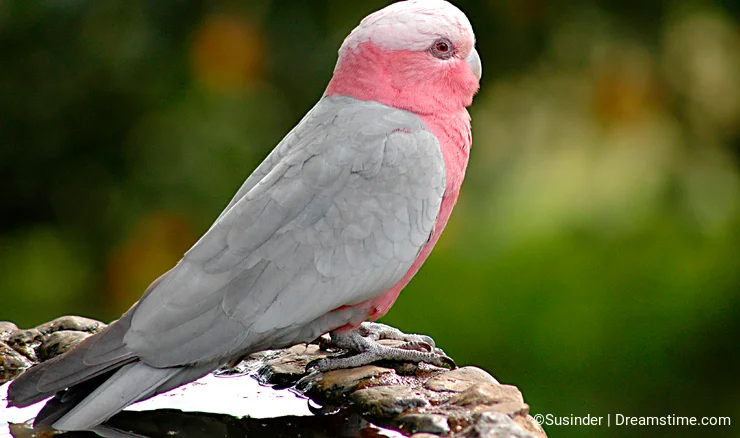
6. Galah: The Pink-and-Grey Clown Car
Galahs are the galoots of the parrot world—pink-grey bundles tumbling mid-air like feathered drunks. “Galah” even means fool in slang, fitting their playful antics. I’ve pulled over on outback roads to watch mobs dust-bathe, looking like they’re at a bird rave. At 35cm, they’re hardy nomads, flocking in hundreds across open plains.
Their social bonds are tight; lifelong pairs preen each other tenderly. Catch the spectacle at Mungo National Park.
7. Noisy Miner: The Neighbourhood Bully with a Badge
Grey as a storm cloud with a yellow “sheriff’s badge” on its face, these honeyeaters rule backyards like tiny gangsters. They’re the second-most spotted in counts, thanks to their mob tactics—gangs chase off rivals with relentless yapping. In my Adelaide garden, they “owned” the birdbath, but their nectar-sipping helps eucalypts thrive. At 25cm, they’re feisty for their size.
Love ’em or loathe ’em, they boost biodiversity in fragments. See the drama unfold at Adelaide Botanic Garden.
8. Emu: The Outback’s Loping Giant
Towering at 1.9m with shaggy brown feathers, the emu is Australia’s feathered marathoner—flightless but fleet-footed at 50km/h. I’ve crossed paths with a mob in the Flinders Ranges, their drum-like calls booming like thunder. They roam vast distances, dads incubating eggs solo for 60 days. No wonder they’re our largest bird and a cultural icon.
They’re drought-proof survivors, eating everything from grass to stones. Trek Flinders Ranges National Park for an emu encounter.
9. Black Swan: The Graceful Enigma of Wetlands
Once thought impossible (all swans were white, right?), these ebony beauties glide like living ink on water. With red bills and cygnets fluffier than clouds, they’re wetland whispers. Spotting a family on a Perth billabong at dusk? Heart-melting. At 1.4m wingspan, they mate for life, building floating nests.
They’re resilient nomads, adapting to urban lakes. Paddle Swan River for serene views.
10. Gouldian Finch: The Rainbow’s End in Feathers
Crowning my list, these 13cm stunners wear purple, turquoise, yellow, and green like a painter’s palette gone wild. Endangered and northern, they’re grass-seed specialists facing fire threats. I ticked one off in Kakadu after hours of stakeout—their tinkling calls were worth every mozzie bite.
Conservation heroes like The Nature Conservancy are fighting back. Visit Kakadu National Park for a hopeful glimpse.
Australian Birds Comparison: Urban vs. Outback Stars
Ever wondered how city slickers stack up against bush battlers? Here’s a quick showdown of traits from our top picks.
| Bird | Habitat Preference | Size (cm) | Call Style | Fun Fact |
|---|---|---|---|---|
| Rainbow Lorikeet | Urban gardens | 30 | Screechy chatter | Pollinates like a bee on steroids |
| Australian Magpie | Suburbs & parks | 48 | Melodic warble | Mimics 35+ species |
| Emu | Arid outback | 190 | Booming drum | Dads do all parenting |
| Gouldian Finch | Tropical savanna | 13 | Tinkling bells | Head colour predicts personality |
Urban birds thrive on scraps and space; outback ones demand resilience. Both remind us: diversity keeps ecosystems humming.
Pros and Cons: Birdwatching as a Hobby Down Under
Drawn to the twitch? Here’s the real talk from my trails.
Pros:
- Free therapy: Nothing clears the head like a lyrebird’s mimicry.
- Fitness boost: Hiking hotspots like Broome Bird Observatory burns calories.
- Community vibes: Join Aussie Bird Count—60,000 strong last year.
- Eco-impact: Your sightings aid conservation.
Cons:
- Swoop season: Magpies don’t discriminate.
- Weather woes: Outback heat or Tassie rain tests resolve.
- Gear creep: Binocs lead to apps, then tours—budget beware.
- Rare misses: That night parrot? Still hunting.
Weigh it up, and the wins soar higher. Start small: 20 minutes in your yard counts.
People Also Ask: Quick Hits on Aussie Feathers
Pulled straight from Google chats, these cover what folks really wonder about our winged wonders.
What is the most common Australian bird?
The rainbow lorikeet reigns supreme, spotted in over 50% of Aussie Bird Count tallies. Its urban adaptability and flock frenzy make it unavoidable.
What is Australia’s most iconic bird?
Hands down, the laughing kookaburra—its call defines the bush soundtrack. Featured in films and folklore, it’s our feathered larrikin.
Where to spot Australian native birds?
Urban gems like Centennial Park (Sydney) or Broome Bird Observatory for shorebirds. For rarities, hit Daintree or Kakadu—guided tours up your odds.
Are all Australian birds native?
Nope—house sparrows and starlings crashed the party. But 45% of our 850+ are endemics, like fairy-wrens, unique to Oz.
How to identify Australian birds for beginners?
Start with shape, size, and colour via apps like Birds in Backyards Finder. Field guides nail plumages; practice in parks.
Best Tools for Spotting Your Favourites
Ready to gear up? For beginners, the Merlin Bird ID app (free) scans photos for matches—nailed a galah mid-flap for me. Transactional tip: Snag compact binocs like Nikon Aculon ($100) from Camera House. Advanced? The Australian Bird Guide ($50) is gold for subspecies. Join eBird for logging—it’s free, global, and feeds science.
- Budget pick: BirdsEye app—tracks locals via GPS.
- Pro tool: Swarovski EL binocs—pricey but crisp.
- Group fun: Book a BirdLife tour—experts handle the hard yards.
These kit you for success, whether solo or with mates.
FAQ: Your Aussie Bird Burners
Got questions? I’ve fielded heaps on trails—here’s the distilled wisdom.
What’s the easiest Australian bird to spot for newbies?
Rainbow lorikeets—they’re loud, colourful, and love city feeding stations. No stealth required; just listen for the squawk-fest.
How can I attract native birds to my garden?
Plant natives like bottlebrush for nectar, add a shallow birdbath, and skip pesticides. In a month, my Sydney setup drew wrens and miners—patience pays.
Are Australian birds dangerous?
Mostly nah, but cassowaries kick like mules (avoid!), and magpie swoops sting. Emus? Steer clear of nests. Respect space, and you’re golden.
What’s the rarest bird on your list?
Gouldian finch—down to thousands, thanks to fires. Spotting one feels like winning lotto; support fire management efforts.
Best time of year for birdwatching in Australia?
Spring (Sep-Nov) for breeding displays, or autumn for migrants. Avoid peak summer heat—dawn walks beat midday roasts.
There you have it—my top 10, straight from the heart (and a few bruised shins). Australia’s birds aren’t just sights; they’re stories, survivors, and a call to cherish this land. Next time you’re out, pause for that flicker in the leaves. Who knows? Your favourite might find you. What’s yours? Drop a line—I’d love to hear. Safe travels, and keep the skies friendly.