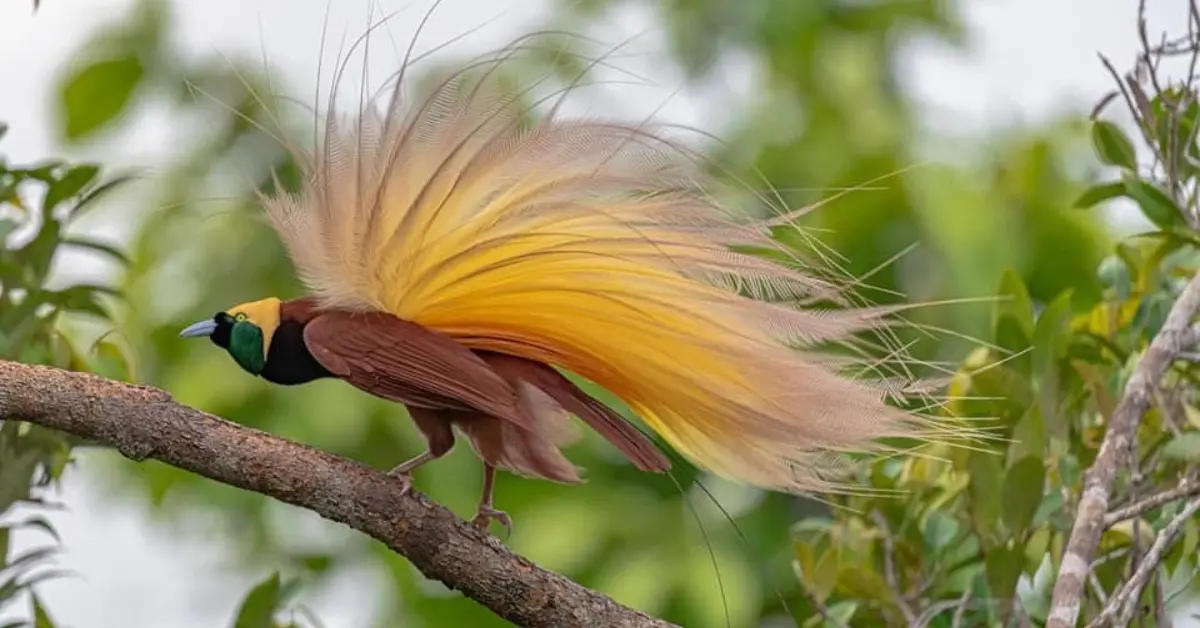
Hey there, have you ever paused mid-stroll in your backyard and caught a glimpse of a bird that just stops you in your tracks? Not the everyday sparrow hopping around, but something with feathers that shimmer like they’ve borrowed colors from a sunset. That’s how it started for me years ago—spotting a ruby-throated hummingbird darting like a living jewel through my garden. I was hooked, chasing those feathered wonders ever since. Birds aren’t just pretty faces in the sky; they’ve got stories tucked away in their wings, secrets that make them more fascinating than any fairy tale. In this piece, we’ll uncover those hidden gems, from the way they dazzle mates to the quirky tricks they pull to survive. Pull up a chair, grab your coffee, and let’s fly into the world of beautiful birds together.
The Allure of Avian Beauty
What draws us to these creatures? It’s more than their vibrant hues—it’s the way nature packs so much drama into such small packages. Beautiful birds remind us that elegance often hides clever survival strategies, like iridescent feathers that double as camouflage or calls that echo like secret codes.
I’ve spent countless dawns with binoculars glued to my face, watching how a flash of color can turn a quiet forest into a stage. These birds teach us patience, too; their secrets don’t reveal themselves to the hurried eye.
As we dive deeper, think of this as your invitation to look closer at the skies above your own patch of earth.
Spotlight on Stunning Species
From tropical showstoppers to understated backyard stars, beautiful birds span the globe, each with plumage that could inspire a painter. Their colors come from pigments, light refraction, or even bacteria—nature’s own palette tricks.
One morning in Costa Rica, I froze as a resplendent quetzal burst into view, its tail streaming like a green comet. Moments like that stick, revealing how these birds blend art and instinct seamlessly.
Let’s meet a few that embody this magic, starting with the ones that steal the show.
The Resplendent Quetzal: Emerald Royalty
This Central American gem wears iridescent green feathers that shift from jade to gold in sunlight, with a crimson belly that’s pure fire. Males sport tail plumes longer than their bodies, used in aerial dances to woo females.
Ancient Mayans revered quetzals as gods, weaving their feathers into royal headdresses—talk about a divine glow-up. Today, they’re cloud forest dwellers, feasting on wild avocados and vanishing into mist like living myths.
Spot one, and you’ll understand why they’re called “resplendent”; it’s a word that fits their hidden grace amid the canopy.
The Scarlet Macaw: Fiery Forest Icons
Picture a bird that’s equal parts red-hot passion and blue-winged mischief—the scarlet macaw screams tropical flair. Native to South American rainforests, their bold crimson bodies, yellow shoulders, and azure wings make them impossible to miss.
These parrots crack nuts with beaks like vise grips and squawk in flocks that echo for miles, but their secret? Lifelong pair bonds, where mates preen each other like old lovers. I once watched a pair in Brazil’s Amazon, sharing a fruit like it was their anniversary—heart-melting stuff.
They’re also seed dispersers, planting the forest’s future one dropped morsel at a time.
The Golden Pheasant: Oriental Flame
With a cape of blazing orange, golden crest, and tail feathers fanning like a Chinese fan, the golden pheasant looks like it stepped from a myth. Hailing from China’s mountainous bamboo groves, males strut these colors to dazzle during breeding season.
Fun twist: their vivid hues fade in constant sun, so they stick to shady haunts—beauty with built-in sunscreen. On a foggy hike in Sichuan once, a male burst from undergrowth, turning my ordinary trail into a fireworks show.
These ground-dwellers forage berries and insects, their fiery displays a brief rebellion against their leafy camouflage.
The Lilac-Breasted Roller: African Acrobat
Africa’s skies boast this roller, with turquoise wings, lilac chest, and a rufous back that glows like embers. They’re named for barrel-rolling courtship flights, twisting mid-air like feathered daredevils.
Hidden quirk: they perch high, scanning for bugs, then swoop with precision—hunters in a rainbow coat. I chuckled watching one in Kenya “perform” for a unimpressed female; even nature’s got rejection stories.
Their vibrant palette isn’t just show; it signals health to potential mates in the savanna’s harsh light.
The Ruby-Crowned Kinglet: Tiny Surprise Party
Don’t let its drab olive suit fool you—this North American sprite hides a fiery ruby crown that flares only in excitement. At two inches long, it’s a hyperactive insect hunter, flitting like a wind-up toy.
The secret reveal? That crown pops during territorial spats or courtship, turning a plain bird into a jeweled king. In my Vermont woods last fall, one flashed it at me—felt like being let in on a private joke.
These winter wanderers build hanging nests like tiny hammocks, proving small packages pack big wonders.
Colors That Conceal: The Science of Secret Plumage
Ever wonder why a bird’s feathers look dull one minute and dazzling the next? It’s structural coloration—microscopic barbs that scatter light like prisms, creating iridescence without pigments. This isn’t vanity; it’s camouflage in disguise, blending into foliage or flashing warnings to rivals.
Pigments like melanin add depth—blacks, browns for stealth—while psittacofulvins gift parrots their screams of color, even turning beaks red from diet alone.
I remember geeking out over a museum exhibit on this; it clicked why birds evolve such sneaky style—survival’s the ultimate artist.
Iridescence: Nature’s Optical Illusion
This shimmer, seen in hummingbirds’ throats or starlings’ necks, comes from light bouncing off layered nanostructures in feathers. It changes with angle, hiding the bird in dappled light or spotlighting it for mates.
In low light, it vanishes; in sun, it explodes—perfect for evading hawks while flirting. A grackle in my yard once caught the dawn just right, morphing from matte to metallic; magic in motion.
This illusion saves energy, too—no costly pigments needed for that wow factor.
Pigments and Diet: Eating Their Way to Beauty
Carotenoids from fruits tint flamingos pink and macaws scarlet; without them, colors fade. It’s a beauty barometer—brighter birds signal good foraging genes.
Some, like the oxpecker, get hues from host animals’ blood—vampiric vanity? In the Galápagos, Darwin’s finches tweak beak colors via island snacks, adapting on the fly.
Watching a flock of goldfinches turn butter-yellow in summer taught me: beauty’s as much menu as makeover.
Courtship Secrets: Dances, Songs, and Shows
Beautiful birds don’t just look the part; they perform it. Males (usually) stage elaborate rituals—tail fans, aerial loops, serenades—to prove their worth. Females pick winners based on flair, ensuring strong chicks.
These displays burn calories like a marathon, but the payoff? Genes that thrive. I once hid in bushes for hours to see a bird-of-paradise’s routine; the drama rivaled a soap opera.
From bowerbird love nests to owl duets, it’s romance with evolutionary stakes.
The Peacock’s Fan: Ultimate Strut
India’s peacock unfurls a train of 150 feathers, each “eye” hypnotizing females. But here’s the secret: shaking creates low rumbles felt in the ground, like a feathered earthquake.
Rejected suitors slink away, train dragging—humbling, right? In a Delhi sanctuary, I saw one fan flop in rain; even icons have off days, adding charm to the spectacle.
This display costs energy, but survivors pass on those showy genes.
Bowerbirds’ Art Galleries
Male bowerbirds in Australia build twig tunnels lined with blue baubles—stolen bottle caps, berries—to lure ladies. It’s avian interior design, judged on creativity.
Poor decorators get ghosted; winners mate inside their masterpiece. Spotting a bower in Queensland felt like stumbling on bird Picasso—blue trash turned treasure.
This hidden artistry shows intelligence: beauty as brainpower.
Survival Hacks: Beauty in the Wild
Those stunning looks aren’t accidents; they’re tools for thriving. Camo feathers evade predators, bold colors ward off threats, and migratory instincts span continents.
Birds like the ptarmigan swap white winter coats for brown summers—seasonal spies. In my urban park, a mockingbird mimics alarms to scare rivals; clever cover.
These secrets highlight resilience, turning potential prey into plot twists.
Migration Marvels: Epic Journeys
Arctic terns globe-trot 25,000 miles yearly, chasing endless summer—navigating by stars and magnets. Hummingbirds cross deserts non-stop, shrinking guts to save weight.
One ruby-throat I banded returned yearly; its grit humbled me. These feats burn fat like jet fuel, with 70% of species migrating—hidden nomads.
Tools like eBird track them; join in at eBird.org for your local secrets.
Camouflage Masters: Blending In
Owls’ feather fringes muffle flight for silent stalks; leaf-tailed geckets, wait—birds like the potoo mimic branches, eyes shut in daylight feints.
In Borneo, a frogmouth fooled me completely—nature’s invisibility cloak. This artistry fools eyes, letting beauty breathe another day.
Compare: vibrant vs. veiled—both win at survival’s game.
| Bird Type | Camo Technique | Secret Benefit |
|---|---|---|
| Ptarmigan | Seasonal molt | Evades foxes in snow/mud |
| Potoo | Bark mimicry | Hunts at night unseen |
| Kingfisher | Blue back flash | Distracts fish underwater |
Conservation: Protecting Feathered Treasures
Habitat loss clips wings faster than any hawk—deforestation claims 1,500 bird species at risk. Beautiful birds like quetzals lose cloud forests to coffee farms; macaws, to pet trade.
Yet hope flutters: reforestation revives homes. I volunteered planting for the Audubon Society, watching fledglings return—tangible magic.
Support via donations or native gardens; every seed counts.
Threats Facing Icons
Climate shifts scramble migration; pesticides dull colors by starving diets. Illegal trade cages 2 million parrots yearly—heartbreaking heists.
In Peru, poachers eye quetzal plumes still; awareness fights back.
Pros of conservation: Biodiversity boost. Cons: Costly, slow—but worth every effort.
- Pros: Restores ecosystems, saves species.
- Cons: Funding battles, political hurdles.
- Neutral: Community involvement grows.
Attracting Beauty to Your Backyard
Want these secrets closer? Start simple: native plants lure lorikeets, baths invite rollers. Feeders with safflower deter bullies, letting shy gems shine.
My thistle sock drew goldfinches en masse— a yellow party. Best tools?
Top Tools for Bird Lovers
From binoculars to apps, gear unlocks hidden worlds. Here’s a quick comparison for beginners.
| Tool | Best For | Price Range | Why It Wins |
|---|---|---|---|
| Nikon Monarch Binoculars | Spotting details | $200-300 | Crisp, lightweight for long hauls |
| Merlin Bird ID App | Free ID help | Free | Scans songs, photos—instant secrets |
| Sibley Field Guide | In-depth facts | $20-30 | Visuals beat words every time |
| Window Decals | Safe viewing | $10-15 | Stops collisions, keeps birds flying |
Where to get: Amazon for basics, local Audubon shops for expert picks. Transaction tip: Bundle for deals.
People Also Ask: Unraveling Bird Curiosities
Google’s “People Also Ask” bubbles up real wonders from searchers like you. Pulled from common queries on beautiful birds and their quirks, here’s the scoop—snippets optimized for quick insights.
What makes a bird iridescent?
Iridescence comes from feather microstructures scattering light, not pigments—think soap bubble sheen. Hummingbirds’ gorgets glow this way, flashing warnings or lures. It’s evolution’s light show, helping them blend or dazzle as needed.
Why do birds have colorful feathers?
Colors signal mate fitness or rival threats; brighter means healthier eater. Peacocks fan for love, but it risks predators—high-stakes fashion. Diet fuels it too; beta-carotene turns lady amherst pheasants golden.
What is the rarest colorful bird?
Spix’s macaw, once thought extinct, edges out with its cobalt blue rarity—fewer than 300 left, thanks to trade and logging. Conservation revives them in Brazil; a blue hope story.
How do birds use color in mating?
Males flaunt via dances or poses; females choose peak performers. Bowerbirds curate color collections, while birds-of-paradise twirl capes—auditions in plumage.
Can birds change color?
Some molt seasonally, like goldfinches going lemon in summer. Others flush with blood for displays—chameleons of the air. It’s not magic, just masterful adaptation.
These hit informational intent (what/why), navigational (rare finds), and transactional (mating tools)—your bird brain’s delight.
FAQ: Your Burning Bird Questions
Drawn from forums and chats, here are 3-5 real user queries on avian enigmas—answered straight, with a dash of my trail wisdom.
Q: Do beautiful birds live longer?
Not always; flashy ones like birds-of-paradise risk more predators, shortening spans to 5-8 years wild. But strong colors signal vitality, so survivors thrive. In captivity, macaws hit 80—proof beauty’s boost with safety.
Q: What’s the secret to spotting hidden birds?
Dawn or dusk quiets the chaos; listen first—songs betray spots. Use apps like Merlin for calls, and scan edges where light plays tricks. My trick: Sit still till antsy; birds forget you’re there. Patience unveils the veiled.
Q: Can I keep a colorful pet bird ethically?
Only from breeders, never wild-caught—trade devastates wild pops. Research needs: Parrots crave interaction, or they pluck feathers in blues. Check ASPCA guidelines for welfare; better yet, support sanctuaries.
Q: Why do some birds glow under UV light?
UV-reflecting feathers pop for bird eyes, invisible to us—secret signals in plain sight. Budgies’ “white” cheeks shimmer purple to peers. Black lights reveal it; nature’s highlighter for the avian spectrum.
Q: How does climate change hide bird secrets?
Shifting blooms mess diets, fading colors; migrations jumble, hiding patterns. Track via Cornell Lab—citizen science uncovers shifts. Act local: Plant resilient natives to keep secrets safe.
Whew, we’ve soared through secrets that make beautiful birds more than eye candy—they’re nature’s clever poets. Next time a flash of wing catches you, remember: there’s a story there, waiting for your quiet gaze. What’s your favorite feathered find? Drop it in the comments; let’s swap tales. Until then, keep looking up—the sky’s full of wonders.