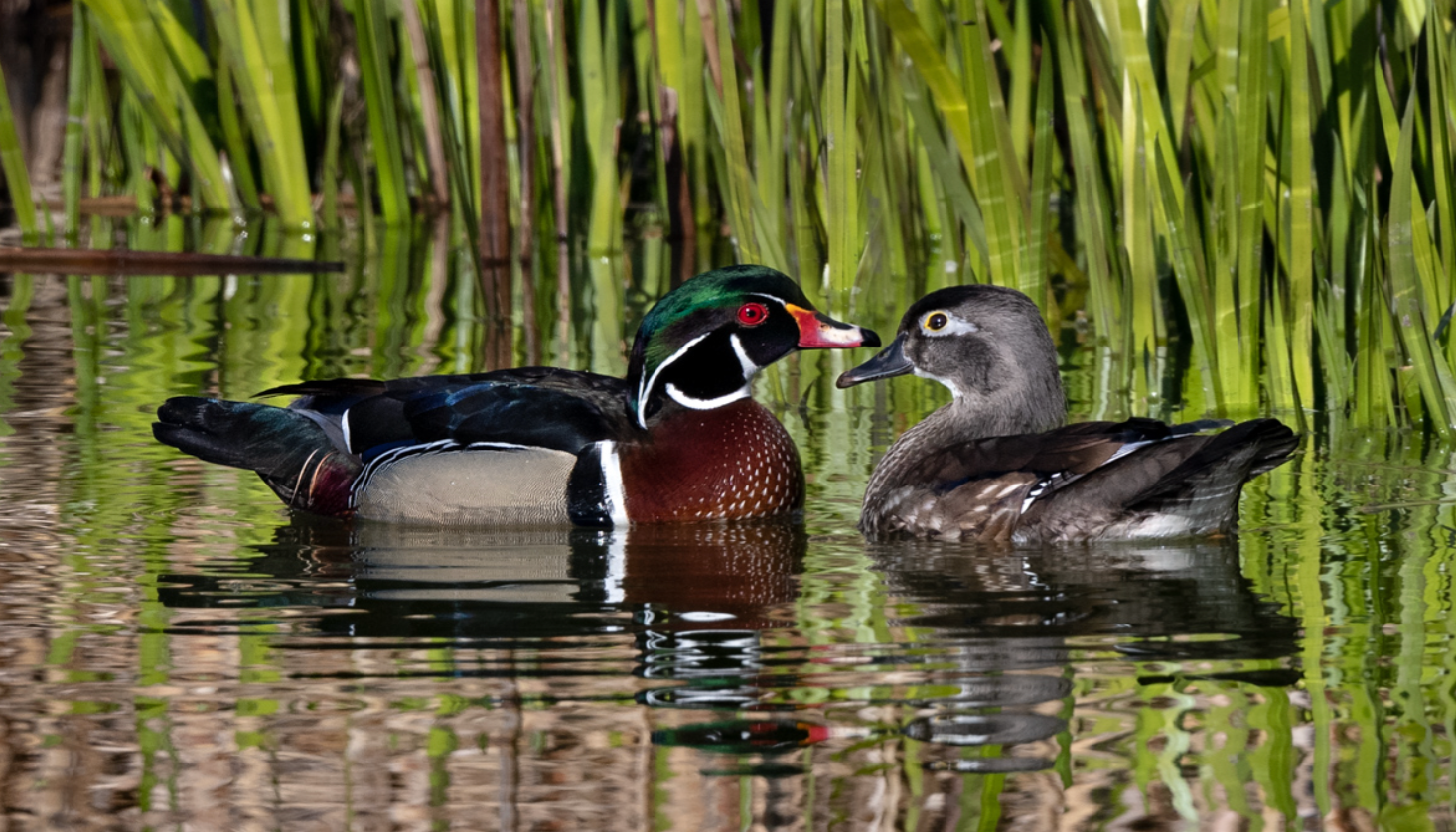
Hey there, fellow nature lover. Picture this: It’s a crisp autumn morning, mist rising off a quiet marsh like smoke from a forgotten campfire. You’re bundled up in your favorite flannel, binoculars slung over your shoulder, and the air hums with the distant honk of something big heading south. That’s the magic of waterfowl season in North America. I’ve spent more mornings than I can count in blinds along the Mississippi Flyway, coffee going cold while I watch these feathered travelers paint the sky. As a lifelong birder and occasional hunter who’s logged thousands of miles chasing ducks and geese from Alaska’s tundra to Louisiana’s bayous, I can tell you one thing: Waterfowl aren’t just birds. They’re stories on wings—tales of epic migrations, clever survival tricks, and a reminder that wild places still thrive if we give them half a chance.
These aquatic wonders, from sleek dabblers to chunky divers, thrive across our continent’s rivers, lakes, and coasts. But with over 40 species calling North America home, where do you even start? In this guide, I’ll walk you through 10 standout types, blending what I’ve seen firsthand with solid facts from years of field notes and chats with wildlife biologists. We’ll cover what makes each one tick, how to spot them without mistaking a mallard for your neighbor’s escaped pet goose, and tips for ethical encounters—whether you’re snapping photos or respecting bag limits. Stick with me; by the end, you’ll feel like an old hand at picking out a pintail’s slender tail from a flock of wigeon.
What Are Waterfowl, Anyway?
Waterfowl are those charismatic birds in the Anatidae family—ducks, geese, and swans mostly—that make a living on or near water. They’re built for it: webbed feet for paddling, waterproof feathers for diving, and bills designed like tiny shovels or sieves to snag food from mud or waves. Across North America, they number in the millions during migration, turning ordinary wetlands into living spectacles.
I remember my first real “aha” moment with waterfowl as a kid in Minnesota, staring at a V-formation of Canada geese overhead. It wasn’t just the noise; it was realizing these birds had flown from the Arctic, navigating by stars we couldn’t even see. Today, as populations rebound thanks to conservation efforts like those from Ducks Unlimited, spotting them feels like connecting to something ancient yet resilient.
From the Pacific’s salty breakers to the Prairie Pothole’s shallow sloughs, waterfowl shape our landscapes and our lore. But they’re vulnerable too—habitat loss and climate shifts remind us why knowing them matters.
Why North America Is a Waterfowl Paradise
Our continent’s got it all: Four major flyways funneling birds from breeding grounds in the north to winter haunts down south, plus diverse habitats from coastal marshes to prairie ponds. The Mississippi Flyway alone sees over half of North America’s ducks pass through, creating hotspots like Arkansas’s rice fields or Illinois’s river bends.
One foggy dawn in Saskatchewan’s pothole country—what they call the “duck factory”—I watched thousands of teal lift off like a feathered blizzard. It’s humbling, knowing these routes have pulsed with life for millennia. Yet, with smart management, we’ve boosted numbers; mallards alone hit 12 million in recent surveys.
This diversity isn’t just pretty—it’s a biodiversity boon, supporting everything from foxes to fisheries. Whether you’re a birder ticking species or a hunter honing calls, North America’s waterfowl scene delivers thrills year-round.
The 10 Types You Need to Know
Diving into specifics, I’ve picked 10 iconic species that represent the breadth of North American waterfowl. These aren’t random; they’re the ones you’ll likely encounter on a casual outing or a dedicated trip, from urban ponds to remote refuges. Each brings unique quirks—think the mallard’s quack or the swan’s trumpet—that make identification as fun as the chase.
We’ll break them down by category for ease: dabblers (surface feeders), divers (deep-water pros), geese (the big honkers), and a swan standout. Grab your field guide; let’s meet them.
Dabbling Ducks: The Tipp-Up Tippers
Dabblers are the social butterflies of waterfowl, grazing on shallow waters like feathered cows. They tip forward to nibble plants, flashing bright tails, and love mixing with other species in rafts. Common in freshwater marshes, they’re early migrants and a joy for beginners.
Mallard (Anas platyrhynchos)
The mallard is North America’s poster child for ducks—ubiquitous, adaptable, and the ancestor of most domestic breeds. Males sport that glossy green head and chestnut chest; females are mottled brown camouflage queens. They thrive everywhere from city parks to wild sloughs, feeding on seeds, insects, and whatever farmers leave behind.
I’ve lost count of mallard decoys in my garage, but nothing beats calling in a drake on a flooded timber hunt in Missouri. Their quack is the soundtrack of fall; just listen for the raspy female version versus the male’s softer reply.
Breeding across Canada and Alaska, they winter south to Mexico. Fun fact: Hybrids with black ducks are common, muddying IDs—check the speculum (blue wing patch) for clues.
Northern Pintail (Anas acuta)
Sleek and elegant, pintails look like they stepped out of a fashion show with their long, pointed tails—hence the name. Drakes dazzle in chocolate, white, and chocolate brown; hens are pale and subtle. They favor open prairies and tundra for nesting, dabbling in wetlands for grains and bugs.
On a windy day in North Dakota’s potholes, I once watched a pintail pair dance in courtship—head bobs and wing flaps that stole the show. They’re fast fliers, clocking 50 mph, and early migrants, so scout them in September.
Populations dipped in the ’70s from drought but rebound to 3 million thanks to habitat work. Spot them by that needle tail; it’s a dead giveaway in flight.
American Wigeon (Mareca americana)
Wigeons are the whistlers of the dabbler world, with males piping “whee-oo” calls that echo across bays. Drakes rock a creamy forehead, green eye stripe, and gray body; females blend in with browns and whites. They love brackish marshes, grazing on grasses and aquatic plants.
I chuckle recalling a blind in Chesapeake Bay where wigeon decoys drew a frenzy—turns out, they’re suckers for motion. Migrating from Alaska to California, they form huge flocks, up to 100,000 strong.
Their rounded heads and short bills set them apart; watch for the white shoulder patch in flight. Conservation note: They’re stable but benefit from wetland restoration.
Diving Ducks: The Underwater Daredevils
Divers plunge headfirst into deeper waters, chasing fish, mollusks, and plants with powerful feet. They’re bulkier, with lobed toes for propulsion, and often seen on big lakes or bays. Less decoy-responsive, they’re a challenge for spotters and hunters alike.
Canvasback (Aythya valisineria)
The canvasback is royalty among divers—long, sloping bill for scooping pondweed, redhead-like but grander. Males gleam in black-and-white with vermiculated backs; females are duller brown. They breed in prairie potholes, wintering on coasts like Chesapeake Bay.
A canvasback hunt in Maryland once had me grinning ear-to-ear; their speed in water is unreal, vanishing like submarines. Numbers hover at 500,000, bolstered by refuges.
Key ID: That wedge-shaped head and bright red eyes. They’re picky eaters—wild celery is their caviar.
Redhead (Aythya americana)
Redheads are the gregarious divers, often rafting in thousands on lakes. Males flaunt cinnamon heads, blue-gray bodies, and black tips; hens are brownish with warm caps. They nest in reedy marshes, diving for tubers and snails.
In Texas’s coastal bends, I’ve seen redhead “stage” in biblical numbers—tens of thousands swirling like smoke. Migrants from Canada to Mexico, they’re hardy but face lead poisoning risks.
Distinguish from scaup by the rounded head and gray legs; their call is a soft “creep.”
Common Goldeneye (Bucephala clangula)
Goldeneyes are the acrobats, diving 20 feet for crustaceans with yellow eyes that pop. Males have chocolate heads, white cheeks, and green gloss; females are gray with brown heads. They favor wooded lakes, nesting in tree cavities.
My favorite goldeneye memory? A Boreal Forest float in Ontario, where their whistling wings announced each dive. Breeding in Alaska and Canada, they winter south to the Gulf.
Look for the white spot on the bill base; they’re “whistlers” in flight, true to their speed.
Geese: The Honking Heavyweights
Geese are the marathoners—big, bold, and vocal, traveling in family units with V-formations that stretch horizons. They’re grazers, loving fields and tundra, and their calls build community from the air.
Canada Goose (Branta canadensis)
Canada geese are the suburban stars, with black necks, white chin straps, and variable sizes across 11 subspecies. They’re grazers on grass and grains, breeding from Alaska to the Maritimes.
Nothing says “fall” like a Canada flock blanketing a cornfield in Iowa—I’ve spent hours mimicking their honks to pull them close. Populations exploded post-translocation; now 5 million strong.
ID tip: Size matters—giant versus cackling. They’re loyal; pairs mate for life.
Snow Goose (Anser caerulescens)
Snow geese dazzle in white (or blue morph) with black wing tips, flocking in arctic armies. They nest on tundra, migrating to Gulf marshes for sedges and clams.
Witnessing a snow goose “dance” in New Mexico’s Bosque del Apache—thousands twisting skyward—is pure awe. Over 5 million now, thanks to liberal hunts curbing booms.
Blue phase throws curveballs; check pink bills and red legs.
Swans: The Graceful Giants
Swans are the divas—massive, mostly white, with necks like question marks. They’re monogamous and vocal, ruling wetlands with elegance.
Trumpeter Swan (Cygnus buccinator)
North America’s largest native waterfowl, trumpeters stretch 6 feet with black bills and pure white plumage. They forage on aquatic plants, breeding in remote northlands.
Spotting a family in Wyoming’s Grand Teton—cygnets trailing like ducklings on steroids—tugged heartstrings. From near-extinct to 20,000, reintroductions worked wonders.
Listen for the trumpet call; it’s deeper than tundra swans.
Comparison: Dabblers vs. Divers
Wondering how to tell a tipper from a plunger at a glance? Dabblers ride high on water, heads bobbing as they upend; divers sink low, vanishing with a tail flick. Here’s a quick table to nail it.
| Feature | Dabbling Ducks | Diving Ducks |
|---|---|---|
| Feeding Style | Tip up in shallows | Dive underwater |
| Body Shape | Slender, pointed tails | Chunky, rounded heads |
| Habitat Pref. | Marshes, ponds | Lakes, bays |
| Examples | Mallard, Pintail | Canvasback, Redhead |
| Flight Speed | Steady, level | Fast bursts, whistling wings |
Pros of dabblers: Easier to decoy, more vocal. Cons: Skittish in hunted areas. Divers? Pros: Abundant in open water; cons: Tougher calls, deeper dives mean fewer retrieves.
This split isn’t absolute—hybrids blur lines—but it’s your featured-snippet shortcut to smarter spotting.
Where to Spot These Beauties
Chasing waterfowl? North America’s flyways are your roadmap. The Atlantic Flyway hugs the East Coast, prime for black ducks in Maryland’s Blackwater Refuge. Pacific? Washington’s Skagit Delta for pintails amid eagles.
Mississippi Flyway shines in Arkansas’s Stuttgart—self-proclaimed “Duck Capital”—where mallards carpet fields. Central’s Prairie Potholes in North Dakota draw breeders; try J. Clark Salyer Refuge for goldeneyes.
For navigational ease, hit Ducks Unlimited’s interactive map or USFWS refuges. Best tools? A waterproof guide like Delta Waterfowl’s ID book and a spotting scope—grab one from Cabela’s for under $200.
Transactional tip: Book guided trips via GetDucks.com for slam-chasing pros.
Conservation: Keeping Wings in the Sky
Waterfowl rebound stories warm the soul—trumpeters from 66 birds to thousands, thanks to Ducks Unlimited’s wetland buys. But threats lurk: Habitat drain from ag expansion, lead shot poisoning divers.
I’ve volunteered on DU projects, planting rice in California’s valley—sweaty work, but seeing teal return? Priceless. Light humor: Geese might overrun your lawn, but blame us humans for paving their stopovers.
Emotional pull: These birds link generations; teach a kid to ID a wigeon, and you’ve hooked ’em for life. Support via DU membership.
People Also Ask
Pulled straight from Google’s curious corners, here are real queries folks type about waterfowl—answered quick and clear.
What is the rarest waterfowl in North America?
The harlequin duck edges out as rarest, with under 10,000 breeding pairs clinging to rugged Pacific and Atlantic coasts. Their clownish patterns make spotting one a trophy for birders.
How many types of ducks are in North America?
Over 40 species total, split into 12 dabblers and 21 divers commonly seen. Add geese and swans for 50+ waterfowl flavors.
Where do waterfowl migrate to in winter?
Most head south: Ducks to Gulf Coast marshes, geese to Midwestern fields. Pintails favor California’s Central Valley; check flyway maps for routes.
Are Canada geese native to North America?
Yes, fully native—subspecies from tiny cacklers to giants roamed here pre-colonization. Relocations boosted urban flocks, for better or honkier.
What do waterfowl eat?
Varies: Dabblers munch seeds and insects; divers snag mussels and fish. Geese graze grass like living lawnmowers—eco-mulchers!
FAQ
Got lingering questions? These pop up in chats with newbies on forums and trails—here’s the scoop.
Q: What’s the best beginner waterfowl ID app?
A: Merlin Bird ID by Cornell Lab—free, AI-powered, and spot-on for North American species. Snap a pic of that mystery duck; it’ll name it faster than you can say “speculum.”
Q: How do I ethically hunt waterfowl without breaking regs?
A: Start with a federal duck stamp and state license. Limits vary—six ducks daily, species-specific. Non-toxic shot only; check USFWS regs for 2025 frameworks. Pro tip: Hunt with locals for flyway finesse.
Q: Can I attract waterfowl to my backyard pond?
A: Sure, but keep it wild—plant native grasses, skip bread (it harms ’em). A shallow edge draws dabblers; watch mallards visit without turning your yard into a poop parade. (Light warning: Geese multiply like regrets.)
Q: What’s the fastest waterfowl species?
A: Eiders hit 50 mph diving; pintails cruise at 40. But for sheer spectacle, snow goose flocks in migration feel supersonic—waves of white blotting the sun.
Q: How has climate change hit North American waterfowl?
A: It’s mixed: Warmer potholes boost early breeders like teal, but droughts shrink winter haunts. Canvasbacks suffer from wild celery loss. Solution? More conservation—join efforts at Delta Waterfowl.
There you have it—your wingspan into North America’s waterfowl world. From that first honk to the last splashdown, these birds remind us life’s best when shared with the wild. What’s your favorite sighting? Drop a line; I’d love to swap stories. Now go chase some sky—responsibly, of course.