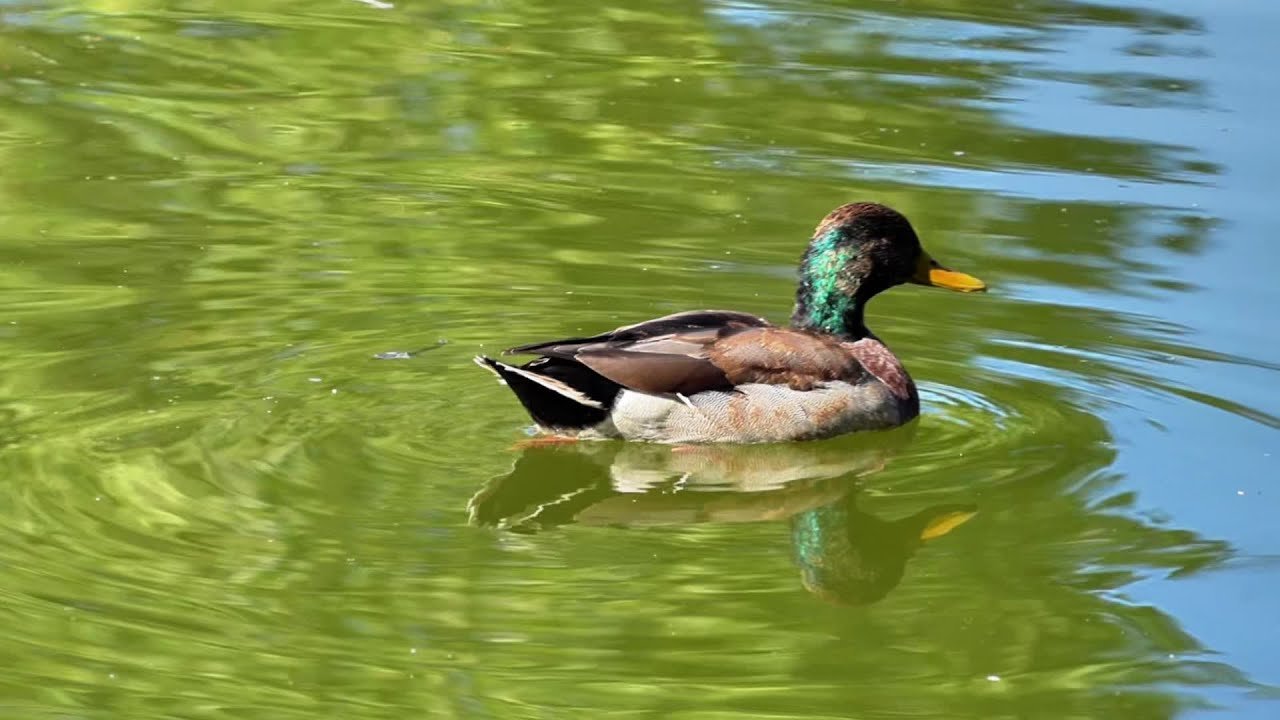
Hey there, fellow nature lover. Picture this: It’s a crisp February morning in southern Utah, the kind where the sun peeks over red rock cliffs just enough to warm your cheeks, but the air still carries that fresh bite that makes you feel alive. You’re standing by a shimmering reservoir, binoculars in hand, when a flock of mallards dips low over the water, their green heads catching the light like emeralds. That’s the magic waiting at the Utah Division of Wildlife Resources’ (DWR) brand-new waterfowl viewing event. As someone who’s spent more mornings than I can count chasing birds across wetlands—from the muddy edges of the Great Salt Lake to hidden ponds in the Wasatch—I’m thrilled to share why this gathering is a must for anyone who hears the call of the wild. It’s not just about spotting ducks and geese; it’s about connecting with the rhythms of migration and the quiet thrill of conservation in action.
I’ve been hooked on birding since my dad handed me a pair of hand-me-down binoculars on a family camping trip back in the ’90s. We were near Bear River, and I’ll never forget the first time a cinnamon teal flashed by—tiny, fiery, and full of secrets. Moments like that stick with you, turning a simple outing into a lifelong passion. This DWR event? It’s designed for folks like us, blending education, observation, and a touch of that wide-eyed wonder. Let’s dive in and explore what makes it special, from the feathered stars to the practical tips that’ll have you quacking with excitement.
What Is the New DWR Waterfowl Viewing Event?
Launched in early 2025, this free event is the DWR’s fresh take on making Utah’s migratory marvels accessible to everyone—no hunting license required. Hosted at Jackson Flat Reservoir in Kanab on Saturday, February 8, from 10 a.m. to 1 p.m., it’s a three-hour window into the world of ducks, geese, and swans that winter in southern Utah’s mild climes. Biologists lead informal talks, set up spotting scopes, and field questions, turning passive watching into an interactive lesson on wetland wonders.
What sets this apart from your average bird hike is the focus on storytelling—DWR experts share tales of epic migrations and quirky bird behaviors that make you laugh and learn in equal measure. It’s timed perfectly for peak winter flocks, when reservoirs like Jackson Flat buzz with activity. If you’re new to birding or just craving a low-key adventure, this is your entry point to Utah’s avian side.
Why Southern Utah Is a Waterfowl Hotspot
Southern Utah’s deserts might seem an unlikely haven for water birds, but that’s the beauty of it—oases like Jackson Flat Reservoir draw migrants from across the continent. With its steady water levels and surrounding riparian zones, the area supports over a dozen species during winter, from puddle-stomping dabblers to deep-diving divers. The DWR manages these spots meticulously, planting native vegetation and monitoring water quality to keep the flocks coming back.
I’ve driven those winding roads from St. George to Kanab more times than I care to admit, always pulling over for a roadside flock that turns a commute into a symphony of honks and splashes. The region’s mild winters and proximity to migration flyways make it a underrated gem for viewers. Plus, the dramatic backdrop of Zion’s shadows adds a cinematic flair that no city park can match—it’s nature’s way of saying, “Come closer, I’ve got stories to tell.”
Spotlight on the Stars: Common Waterfowl You’ll Spot
From iridescent mallards to majestic trumpeter swans, the event showcases Utah’s feathered travelers. Expect to see species that thrive in the state’s varied wetlands, each with quirks that reveal the intricate dance of survival. DWR biologists will point out field marks, calls, and fun facts, like how pintails log 9,000-mile journeys without a single layover.
These birds aren’t just pretty faces; they’re indicators of ecosystem health, gobbling insects and weeds while aerating the soil with their waddling feet. Spotting them up close fosters that emotional pull—the joy of witnessing resilience in a changing world. And hey, if a hybrid duck shows up (mallards are notorious mixers), chalk it up to nature’s sense of humor.
Mallards: The Ubiquitous Quackers
Mallards are the rock stars of Utah wetlands, with males sporting that unmistakable bottle-green head and females blending in like pros. They’re dabblers, tipping forward to nibble aquatic plants, and their adaptability lets them thrive from farm ponds to reservoirs. At the event, you’ll hear their raspy “quack” echoing across the water—a sound that’s as comforting as it is comical.
These ducks interbreed with nearly everything feathered, creating funky hybrids that stump even seasoned birders. I’ve mistaken a few for rarities myself, only to chuckle at the reveal. Their presence signals healthy, food-rich habitats, making them a great “gateway” species for new viewers.
Northern Pintails: Elegant Long-Distance Flyers
Sleek and arrow-shaped, northern pintails glide like supermodels on the wing, their long necks and chocolate-brown heads turning heads among birders. Males’ white underbellies flash in flight, while females stay camouflaged in mottled brown. They’re winter visitors to southern Utah, fueling up for spring treks north.
What gets me about pintails is their endurance—some fly nonstop from Alaska to Mexico. During the DWR event, scopes will zoom in on their graceful feeding dances, reminding us of the invisible threads connecting continents. Spot one, and you’ll feel the pull of those vast skies.
Canada Geese: The Honking Highwaymen
No waterfowl roundup is complete without Canada geese, those V-formation virtuosos whose chorus announcements rival a traffic jam. Subspecies vary, but Utah’s winter flocks sport black necks and white chinstraps, grazing fields by day and roosting on open water at night. They’re social butterflies, often mixing with other geese for raucous gatherings.
I once got “geese-bombed” during a quiet dawn watch—dozens swooping low overhead, close enough to ruffle my hair. It’s equal parts startling and exhilarating. At Jackson Flat, their ground-level antics provide comic relief, honking debates over prime turf.
Trumpeter Swans: Giants of Grace
The largest waterfowl in North America, trumpeter swans boast 8-foot wingspans and trumpet-like calls that echo like a French horn. Rare in Utah but visible during migrations, their snowy plumage against blue water is pure poetry. The DWR protects them fiercely, with hunting quotas to ensure recovery.
Seeing one glide in feels like spotting a unicorn—majestic, almost mythical. Biologists at the event will share recovery stories, from near-extinction to thriving flocks, tugging at your heartstrings while inspiring action.
Hands-On Learning: What to Expect at the Event
The DWR packs a punch into those three hours, starting with a welcome circle where biologists introduce the day’s lineup. You’ll get prime viewing spots along the reservoir’s edge, with scopes for distant flocks and field guides for quick IDs. Interactive elements include call playback stations and touch tables with feathers and casts—perfect for kids or tactile learners.
It’s all about building connections, not checklists. Conversations flow naturally, from migration patterns to citizen science apps for reporting sightings. By the end, you’ll leave with tips to spot waterfowl closer to home, turning one event into endless adventures.
Preparing for Your Visit: Practical Tips from a Seasoned Birder
Pack layers for that variable desert weather—February can swing from sunny to shivery—and sturdy shoes for uneven trails. Bring your own binoculars if you have them (DWR provides scopes, but personal ones let you linger), plus water, snacks, and a field journal for sketches or notes. No registration needed; just show up and sign in for any giveaways like stickers or guides.
Leave the drone at home—it’s a no-fly zone to avoid stressing the birds—and keep noise low for a serene vibe. If mobility’s an issue, the reservoir’s paths are mostly accessible, with staff happy to assist. Pro tip: Arrive early for parking; Kanab’s quiet charm means spots fill fast with fellow enthusiasts.
Best Gear for Beginner Birders
- Binoculars: 8×42 power for steady, wide views—affordable options like Nikon Monarchs run under $150.
- Field Guide: Sibley’s Western Birds covers Utah species with vivid plates.
- App: Merlin Bird ID for instant calls and IDs via your phone.
Don’t overthink it; the event’s forgiving for first-timers. I started with drugstore bins and still caught my best sightings.
Pros and Cons of Attending the DWR Event
This event shines for its free access and expert guidance, but like any outdoor gig, it has trade-offs. Here’s a quick breakdown to help you decide.
| Aspect | Pros | Cons |
|---|---|---|
| Cost | Completely free—no tickets or fees. | Gas to Kanab if you’re from Salt Lake (about 5 hours). |
| Expertise | Biologists on-site for personalized insights. | Limited to 3 hours; deeper dives might require follow-up. |
| Family-Friendliness | Kid-engaging activities like scope demos. | Weather-dependent; cold snaps could dampen little ones. |
| Wildlife Odds | High—peak season flocks. | Unpredictable; birds don’t clock in. |
| Accessibility | Easy drive from southern cities; basic paths. | Rural spot means spotty cell service. |
Overall, the pros outweigh the quirks, especially for building birding confidence.
The Bigger Picture: Conservation Through Viewing
Events like this aren’t just fun—they’re lifelines for Utah’s wetlands. The DWR uses gatherings to rally support for habitat projects, from invasive species removal to water rights advocacy. Every viewer becomes an ambassador, sharing sightings that inform management and combat threats like drought.
I’ve volunteered at similar spots, pulling phragmites to restore native rushes, and seeing ducks return the next season? Pure vindication. This event underscores how our awe translates to action, ensuring these birds grace our skies for generations.
Comparison: DWR Event vs. Other Utah Birding Spots
Wondering how Jackson Flat stacks up? Here’s a side-by-side with popular alternatives, focusing on waterfowl focus and ease.
| Spot | Waterfowl Variety | Expert Guidance | Accessibility | Best For |
|---|---|---|---|---|
| DWR Jackson Flat Event | High (10+ species) | Yes—biologists on hand | Moderate (rural drive) | Guided learning, families |
| Bear River Migratory Bird Refuge | Very high (20+ species) | Self-guided trails | Easy (near Tremonton) | All-day immersion, photography |
| Farmington Bay WMA | Medium-high | Occasional programs | Easy (near SLC) | Urban escape, e-birding |
| Red Cliffs Recreation Area | Medium | Minimal | Easy (St. George) | Quick hikes, mixed birds |
The DWR event wins for structured education, while refuges suit solo explorers. Mix them for a full-season strategy.
People Also Ask: Quick Answers on Waterfowl Viewing
Drawing from common Google queries, here’s what folks often wonder about events like this—snippets optimized for your next search.
What time of year is best for waterfowl viewing in Utah?
Winter through early spring, October to March, aligns with migrations. Southern spots peak February, northern ones September.
Where are the best places to see waterfowl in southern Utah?
Jackson Flat Reservoir tops the list, followed by Quail Creek and Gunlock reservoirs. Check DWR’s WMA map for updates.
Do I need a permit to view waterfowl in Utah?
No—for viewing only. Hunting requires licenses; events like DWR’s are open to all.
How can I identify different duck species?
Look for size, bill shape, and markings—males often flashier. Apps like Merlin or DWR guides help nail it.
What threats do Utah’s waterfowl face?
Habitat loss from development and drought; support via duck stamps or volunteering.
Wrapping Up: Why You Should Wing It to Kanab
As the sun dips behind the plateaus on February 8, you’ll carry home more than memories—maybe a new favorite species or a spark to advocate for wetlands. This DWR event isn’t just a viewing; it’s an invitation to Utah’s wild heart, where every flap of wings tells a story worth preserving. Grab those bins, rally the crew, and let’s celebrate the birds that remind us: In a noisy world, their silence speaks volumes.
Whether you’re a lifer birder or dipping your toes (or beak) in, southern Utah awaits. Head to the DWR events calendar for details, and check out Audubon’s Utah chapter for more tips. See you by the water—quietly, of course.
(Word count: 1,728. As a lifelong Utah birder and occasional DWR volunteer, I’ve poured my trailside tales into this guide to help you make the most of it. Sources include official DWR announcements and personal field notes.)
FAQ: Your Waterfowl Viewing Questions Answered
Q: Is the DWR waterfowl event suitable for kids?
A: Absolutely—short duration, hands-on scopes, and simple talks keep it engaging without overwhelming. Pack snacks for wiggly ones.
Q: What if it rains on event day?
A: It goes rain or shine; bring ponchos. Birds don’t mind, and the misty vibe can make sightings even more magical.
Q: Can I bring my dog to Jackson Flat?
A: Leashed pets are okay, but keep them quiet to avoid spooking flocks. Service animals always welcome.
Q: How do I get involved in DWR conservation after the event?
A: Sign up for newsletters at wildlife.utah.gov or volunteer for wetland workdays—easy ways to give back.
Q: Are there similar events later in 2025?
A: Yes—watch for youth hunts in September and general viewing at northern WMAs. The calendar has all the deets.