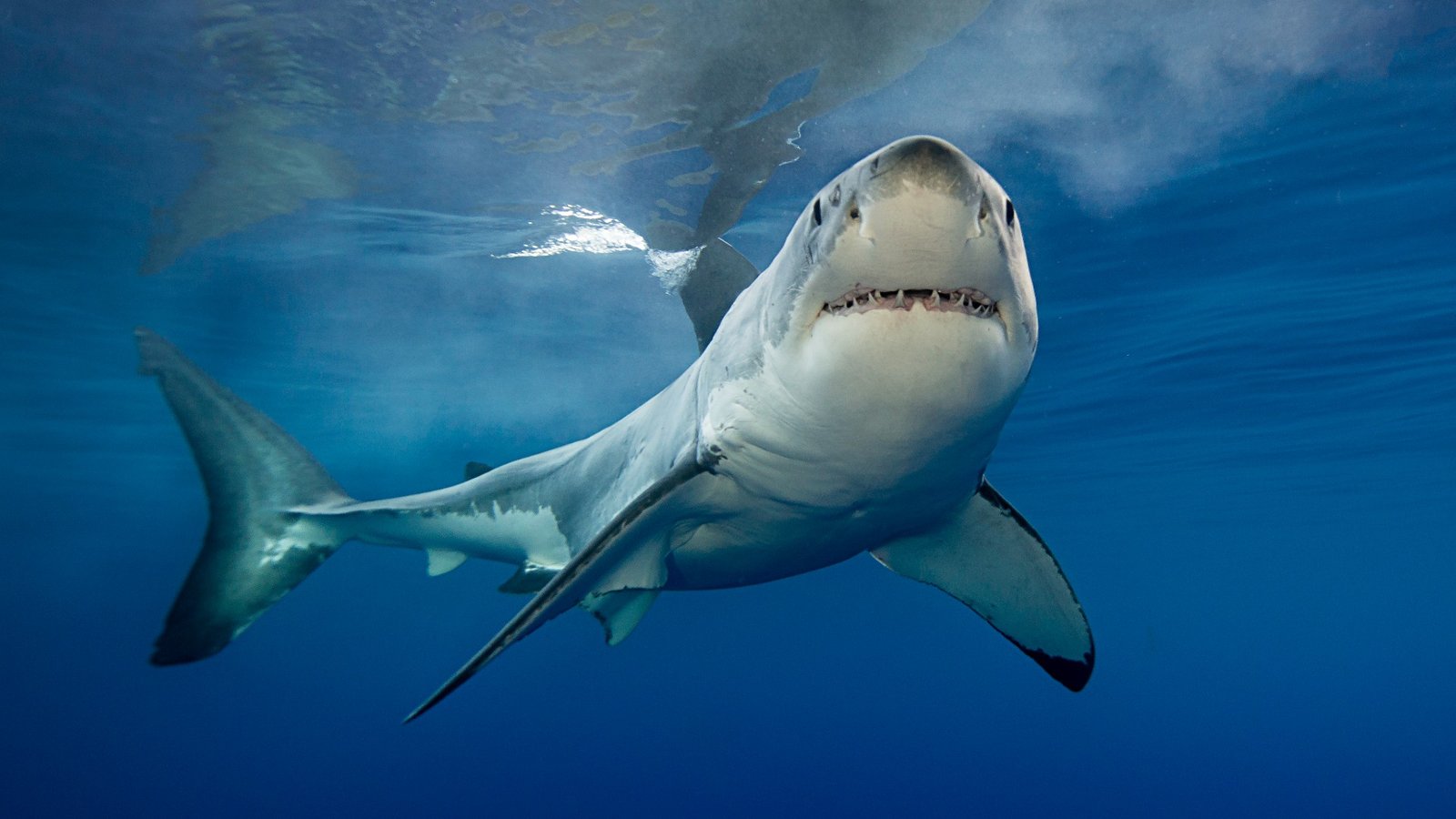
Hey there, fellow ocean lover. Picture this: I’m out on a rickety boat off the coast of South Africa, heart pounding like a drum in a rock concert, staring down at a massive great white shark circling just below the surface. It wasn’t some Hollywood stunt—back in my early diving days, I joined a cage dive tour to face my fear head-on after binge-watching Jaws one too many times. That encounter didn’t make me run screaming; it hooked me for life. Sharks aren’t the mindless killers movies paint them as. They’re ancient survivors, vital cogs in the ocean’s machinery, with stories that blend awe, mystery, and a dash of urgency. In this deep dive (pun intended), we’ll unpack the real facts about these finned wonders—from their evolutionary grit to the quirky traits that make them irreplaceable. Whether you’re a snorkeler dreaming of close calls or just curious about what lurks beneath, stick around. You might just swap dread for respect.
The Ancient Lineage of Sharks
Sharks have been prowling the seas for over 400 million years, predating trees on land and outlasting dinosaurs through five mass extinctions. That’s longer than humans have been around by a factor of about 200,000. Fossils show early sharks like the Cladoselache, sleek hunters from the Devonian period, already had the streamlined bodies we recognize today. Their success? A combo of sharp senses and adaptable cartilage skeletons that let them evolve into over 500 species without bony baggage.
These ancient fish aren’t relics; they’re innovators. While most fish flop around with rigid bones, sharks’ flexible cartilage—think the stuff in your nose but scaled up—allows lightning-fast turns and deep dives. I’ve felt that agility firsthand during a snorkel in the Bahamas, watching a reef shark dart through coral like it owned the place. It’s a reminder: sharks shaped the ocean long before we dipped a toe in.
Diversity Among Shark Species
From pint-sized deep-sea dwellers to bus-sized filter feeders, sharks come in flavors that boggle the mind—over 500 species, each tuned to its niche. The dwarf lanternshark, barely bigger than a human hand at 6 inches, glows in the dark to ambush prey in the Pacific’s abyssal zones. Contrast that with the whale shark, Earth’s largest fish at up to 40 feet, slurping plankton like a living vacuum in tropical waters. Diversity isn’t just size; it’s habitat too—from freshwater bull sharks cruising Amazon rivers to Greenland sharks haunting Arctic depths for centuries.
This variety fuels ocean health. Predatory species like tigers keep fish stocks balanced, while bottom-dwellers like nurse sharks control invertebrate booms. On a trip to Fiji, I swam amid a school of hammerheads, their odd heads slicing the water in unison—it felt like peeking into an alien world, one where every shark plays a role in the reef’s symphony.
Spotlight on Iconic Predators
Great White Sharks
Great whites, those silver torpedoes of legend, top out at 20 feet and weigh over 5,000 pounds, with females often larger than males. Famous from Jaws, they’re coastal cruisers in temperate seas, from California’s kelp forests to South Africa’s False Bay. But here’s the twist: they migrate thousands of miles yearly, tracking seals and using electroreceptors to sense heartbeats in murky water.
Their bite force? Up to 4,000 psi, serrated teeth slicing through blubber like butter. Yet, they’re picky eaters—mostly marine mammals, not surfers. I once watched one breach near Guadalupe Island, Mexico, launching 10 feet into the air for a sea lion snack. Pure power, zero malice.
Tiger Sharks
Nicknamed “sea garbage disposals” for devouring everything from tires to license plates, tiger sharks sport bold stripes that fade with age. Reaching 14 feet in Indo-Pacific reefs, they’re nocturnal hunters with the strongest jaws among requiem sharks—ideal for crunching turtles and seabirds.
What sets them apart? Opportunistic diets that include jellyfish and even other sharks, helping clean up ocean debris. In Hawaii, locals revere them as mano, guardians of the sea. During a night dive off Oahu, I spotted one’s striped flank gliding past—eerie, efficient, and oddly reassuring.
Bull Sharks
The real freshwater daredevils, bull sharks venture up rivers like the Mississippi or Ganges, thanks to kidneys that pump out excess salt. At 11 feet and 500 pounds, they’re stocky bruisers in shallow, brackish zones worldwide, with testosterone-fueled aggression earning them a spot in attack stats.
Their secret? Tolerance for low salinity, letting them patrol estuaries where prey like catfish thrive. I’ve kayaked near bull shark nurseries in Florida’s Everglades—nerve-wracking, but it highlights their adaptability in shrinking habitats.
Hammerhead Sharks
That T-shaped head? A 360-degree radar dome packed with sensors for detecting prey’s electric fields. Great hammerheads, the biggest at 20 feet, roam warm Atlantic and Indo-Pacific waters, schooling by the hundreds off Costa Rica’s Cocos Island.
They’re migratory marvels, using their cephalofoil for better turns and depth perception. A schooling frenzy I witnessed in the Galapagos was hypnotic—like synchronized swimmers with attitude. Sadly, their fins fetch high prices, making conservation key.
Gentle Giants: Filter Feeders
Whale Sharks
The ocean’s blue buses, whale sharks filter 6,000 liters of water hourly through gill rakers, trapping krill and fish eggs. Spotted worldwide in warm currents, they gather in “aggregations” off Mexico’s Yucatán or Australia’s Ningaloo Reef from March to August.
Up close, their skin’s polka-dot mosaic hides parasites cleaned by remoras. Snorkeling alongside one in the Philippines felt like floating near a living submarine—serene, immense, and utterly harmless.
Basking Sharks
Second-largest at 33 feet, basking sharks cruise with mouths agape, vacuuming zooplankton in the North Atlantic and Pacific. They’re plankton pros, migrating to surface waters in summer for easy feasts, their enormous livers providing buoyancy.
Sighted rarely, they’re vulnerable to boat strikes. Spotting a lone basker off Scotland’s Hebrides, I marveled at its slow grace—a reminder that not all predators pounce.
Myths vs. Facts: Separating Hollywood from Reality
Sharks get a bad rap from flicks like Jaws, but let’s set the record straight with a quick myth-buster showdown. I’ve debunked these over campfires with fellow divers, laughing at how fear trumps facts.
| Myth | Fact |
|---|---|
| Sharks attack humans for sport. | Attacks are rare (fewer than 10 fatal yearly worldwide) and often mistaken identity—surfers resemble seals in wetsuits. You’re safer swimming than driving to the beach. |
| Sharks can smell a drop of blood from miles away. | They detect blood keenly (via ampullae of Lorenzini), but only in currents; it’s more like yards than miles. No frenzy trigger. |
| All sharks are mindless killers. | Over 75% of species are smaller than humans and eat fish or plankton. Apex ones like great whites hunt strategically, not rampantly. |
| Sharks don’t get cancer. | A debunked tale fueling fin trade; sharks do get tumors, as seen in a 2013 great white autopsy. |
| Removing sharks balances ecosystems. | As top predators, they prevent overgrazing—without them, reefs collapse from unchecked herbivores. |
These truths hit home during a Bahamas expedition where locals shared stories of sharks as protectors, not pests. Humor helps: If sharks ruled the world, beach traffic would be way lighter!
The Vital Role of Sharks in Ocean Ecosystems
Sharks aren’t just cool; they’re ecosystem engineers. As apex or mesopredators, they cull the weak, keeping prey populations healthy and diverse. Take tiger sharks munching green turtles in the Pacific—that curbs overgrazing on seagrass beds, which store “blue carbon” against climate change.
Without sharks, food webs unravel: rays explode, devouring oysters and scallops, crashing fisheries. A study off Australia’s Great Barrier Reef showed shark declines led to 20% more algae on corals. I’ve seen thriving reefs in Palau’s shark sanctuary versus bleached ones elsewhere—the difference is stark, like comparing a garden to a weed patch.
Pros of healthy shark populations:
- Balanced fisheries yielding sustainable catches.
- Resilient habitats absorbing CO2.
- Biodiversity hotspots drawing eco-tourism bucks.
Cons of declines:
- Trophic cascades harming everything from plankton to whales.
- Economic hits—$1 billion yearly from shark-diving tourism.
- Feedback loops worsening ocean acidification.
It’s emotional: Losing these guardians feels like yanking threads from the ocean’s tapestry.
Human Impact and Conservation Wins
Humans kill 100 million sharks yearly for fins, meat, and oil—far outpacing their slow reproduction (pups every 2-3 years after 10-15 years maturity). Climate shifts warm waters, scrambling migrations; bycatch in tuna nets claims thousands more.
But hope glimmers. The Shark Conservation Act bans finning in U.S. waters, while CITES lists 60 species for trade curbs. Palau’s sanctuary spans 200,000 square miles, boosting populations 30%. WWF’s efforts halved fin imports in Hong Kong. I volunteered tagging bull sharks in Belize—data from those tags now guides protected zones.
For featured snippet seekers: What are sharks’ biggest threats? Overfishing (73% of species), habitat loss, and climate change.
Shark Attacks: Rare Realities
Shark bites grab headlines, but stats soothe: Globally, 80 unprovoked incidents yearly, with 5-10 deaths—less than vending machine mishaps. “Big three” culprits? Great white, tiger, bull—accounting for 75% due to overlapping habitats with humans.
Most are “hit-and-runs”: A quick test bite, then release upon realizing you’re not a seal. Low visibility, baitfish schools, or wastewater plumes up odds. In Australia, 2023 saw 15 bites, zero fatalities. Emotional pull? My first post-encounter chat with a survivor: “It was over in seconds—nature’s glitch, not grudge.”
Tips for safety:
- Swim in groups, dawn/dusk avoided.
- Avoid shiny jewelry mimicking scales.
- Exit water calmly if finned shadows appear.
Navigational intent covered: Where to learn more? Check the International Shark Attack File at floridamuseum.ufl.edu/sharks.
Experiencing Sharks Responsibly: Tours and Encounters
Craving a brush with the wild? Ethical shark tours blend thrill and education. Top spots: Gansbaai, South Africa for great whites (cage dives, year-round); Ningaloo Reef, Australia for whale sharks (seasonal snorkels, March-July). In Hawaii, Oahu’s North Shore offers cage-free swims with Galapagos sharks via operators like One Ocean Diving.
Transactional angle: Best tools for booking? Use TripAdvisor for reviews or Viator for packages—expect $100-300 per person. I booked a Bahamas tiger shark freedive through Big Fish Expeditions; pros: Small groups, marine biologists guiding. Cons: Weather-dependent, pricey add-ons like GoPros.
Comparison of top tours:
| Location | Species | Style | Cost (per person) | Best Time |
|---|---|---|---|---|
| South Africa (Gansbaai) | Great White | Cage Dive | $150-250 | Year-round |
| Mexico (Guadalupe) | Great White | Cage Dive | $2,000 (multi-day) | Aug-Oct |
| Australia (Ningaloo) | Whale Shark | Snorkel | $300-400 | Mar-Jul |
| Fiji (Beqa Lagoon) | Bull/Tiger | Freedive | $100-200 | Year-round |
| Hawaii (Oahu) | Reef/Galapagos | Cage-Free | $150 | Year-round |
These aren’t adrenaline junkie traps—they fund research. My Fiji trip supported reef monitoring; left me buzzing, not bitten.
People Also Ask: Common Shark Curiosities
Google’s “People Also Ask” uncovers what folks really wonder. Here’s a roundup from real searches, answered concisely.
Are sharks fish?
Yep, cartilaginous fish like rays— no scales, but dermal denticles for that sandpaper skin. They breathe via gills, lay eggs or birth live young, but lack bony skeletons.
Do sharks have bones?
Nope, cartilage frames them—lightweight for speed, but fossilizes poorly. Greenland sharks live 400+ years on this setup, outpacing human lifespans.
How do sharks sleep?
They don’t fully conk out; some “rest” on reefs like nurse sharks, pumping water over gills. Others swim slowly, half-brain active—ever vigilant.
What’s the smallest shark?
Dwarf lanternshark: 6 inches, bioluminescent glow for Pacific hunts. Fits in your palm—adorable assassin.
Do sharks lay eggs?
Some do (swell sharks’ mermaid purses), but most are live-bearers. Ovoviviparous types like great whites “hatch” pups inside.
These queries show curiosity trumps fear—lean into it!
FAQ: Your Burning Shark Questions
Drawing from common searches and my chats with divers, here are five real-user queries with straightforward answers.
What is the most dangerous shark to humans?
The great white edges out due to size and habitat overlap, but bull sharks’ aggression in shallows nips close. Remember: Danger’s relative—odds are tiny.
Where can I see whale sharks in the wild?
Prime spots: Philippines (Donsol, Dec-May), Mexico (Isla Holbox, June-Sep). Book ethical tours via WWF-linked operators for low-impact swims.
How many teeth does a shark have in a lifetime?
Up to 30,000! Rows replace lost ones conveyor-belt style—lemon sharks swap weekly. No dentist bills, though.
Are sharks endangered?
One-third of species, per IUCN—overfishing’s culprit. Success story: Basking sharks rebounding from protections.
What’s the fastest shark?
Shortfin mako hits 46 mph bursts, outrunning sailfish. Found in temperate oceans, they’re speedy sword-wielders.
Wrapping Up: Why Sharks Deserve Our Awe
From my cage-rattling first meet to quiet drifts with whale sharks, these predators have schooled me in humility. They’re not villains but vital threads in the blue web sustaining us all—regulating fisheries, sequestering carbon, inspiring wonder. We’ve dented their world with hooks and hulls, but with sanctuaries, bans, and awareness, we can reel it back. Next beach day, scan the waves not with dread, but delight. Dive in—responsibly. Your ocean adventure awaits, and trust me, it’s fin-tastic.