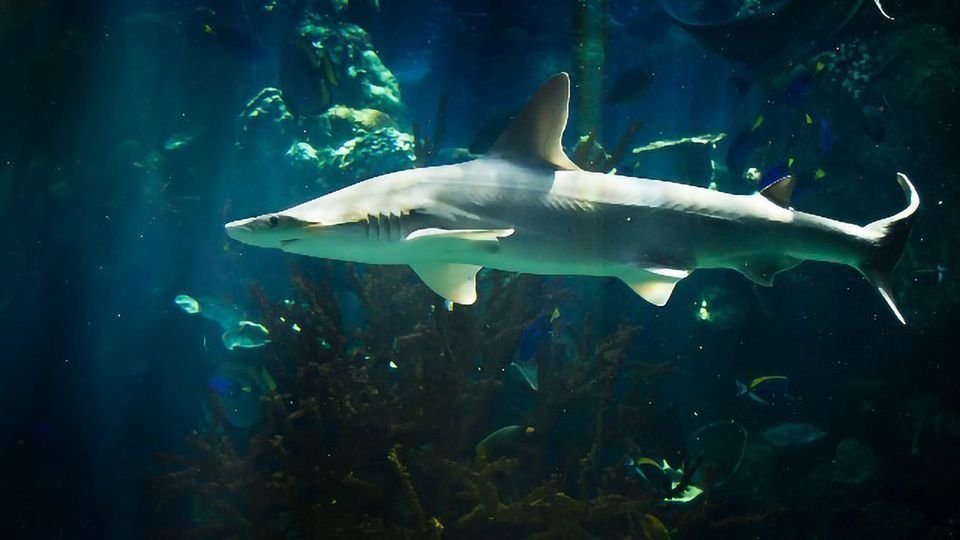
Imagine standing on a windswept beach in Cape Cod, the kind where the waves crash like they’re sharing secrets from the deep. That’s where I first felt the pull of the ocean’s hidden highways. Years ago, during a family trip, I watched a documentary on great white sharks that flipped my world upside down. These weren’t the monsters from summer blockbusters—they were wanderers, charting paths across vast blue deserts. Ever since, I’ve chased that thrill, from snorkeling in the Gulf of Mexico to volunteering with tagging crews off Florida’s coast. Today, let’s dive into the epic treks of migratory sharks, those silent navigators shaping our seas. Their stories aren’t just wild; they’re a wake-up call to how we’re all connected in this watery world.
What Makes Sharks Wanderers of the Sea?
Sharks have been roaming the planet for over 400 million years, long before dinosaurs even showed up to the party. But not all sharks pack their bags for long hauls—it’s the migratory ones that steal the show, driven by instincts sharper than their teeth. These journeys aren’t random joyrides; they’re finely tuned responses to the ocean’s rhythms, from shifting currents to seasonal feasts.
Picture a shark as an ancient explorer, sensing Earth’s magnetic fields like a living compass. Scientists believe they use these, plus the sun’s position and chemical cues in the water, to traverse thousands of miles. It’s humbling, right? One wrong turn, and a predator becomes prey. Yet, these migrations keep ecosystems humming, balancing prey populations and nutrient flows.
As someone who’s spent hours poring over satellite pings on my phone, I can tell you: tracking these paths feels like eavesdropping on nature’s grand adventure. It’s not just science—it’s poetry in motion.
The Epic Treks: Famous Shark Migrations
From the thundering migrations of blacktip sharks off Florida to the globe-spanning odysseys of whale sharks, these journeys rival any wildlife saga. Take Nicole, the great white who clocked 12,420 miles in nine months between South Africa and Australia. Her path, lit up on trackers, shows how these giants chase warmer waters and richer hunting grounds.
These aren’t solo acts either. Schools of scalloped hammerheads form massive, synchronized fleets off Ecuador’s Galapagos, spiraling through nutrient upwellings like a living tornado. It’s a sight that leaves divers breathless—and reminds us how fragile these spectacles are.
I’ve followed Nicole’s virtual trail on apps during late-night scrolls, rooting for her like an old friend. Her story tugs at you, blending awe with a quiet worry: Will her grandkids swim the same routes?
Great White Sharks: From Seal Feasts to Shark Cafés
Great whites aren’t the stay-at-home types. Tagged off California, they vanish into the Pacific for months, heading to a mysterious spot dubbed the “White Shark Café”—a barren mid-ocean waypoint 1,500 miles offshore. Why? Recent dives reveal hidden blooms of krill and squid, turning this “desert” into a refueling station.
These sharks burn liver oil like jet fuel, sinking deeper as reserves dwindle, a clever trick to glide without wasting energy. It’s evolution at its finest, but climate shifts could scramble these pit stops.
Humor me here: If great whites ran a travel blog, it’d be titled “Café Hopping: Because Who Needs Wi-Fi When You’ve Got Whale Blubber?” Their resilience is inspiring, but it hits home—I’ve seen empty beaches where seal colonies once boomed, thanks to overfishing.
Whale Sharks: Gentle Giants Crossing Oceans
The whale shark, Earth’s biggest fish at 40 feet, migrates like a slow-motion freight train, covering 12,500 miles from Panama to the Mariana Trench. Anne, a tagged female, did just that over 841 days, dipping to freezing depths for plankton parties.
These filter-feeders follow seasonal blooms, their massive mouths vacuuming tiny prey. Hotspots like Mexico’s Yucatan Peninsula draw hundreds, turning the sea into a living conveyor belt.
I once floated alongside one in the Philippines—its spots like starry freckles, eyes calm as a monk’s. That encounter? Pure magic. But with numbers plummeting 50% in decades, these gentle behemoths need our help to keep wandering free.
Mako and Tiger Sharks: Speed Demons and Reef Hoppers
Shortfin makos hit 45 mph, zipping from Cape Cod to Brazil in seasonal dashes. Tagged ones reveal they hug the Gulf Stream, chasing tuna schools like cosmic surfers.
Tiger sharks, meanwhile, prowl 7,500 km loops from Caribbean reefs to the North Atlantic’s “truck stops.” Males roam farthest, while females guard nurseries— a divide that surprises even pros.
Light-hearted aside: Makos are the Ferrari of sharks; tigers, the off-road Jeeps. Tracking them feels like betting on a derby, but the stakes? Their survival in warming waters.
Why Do Sharks Migrate? The Driving Forces
Migration isn’t whimsy—it’s survival math. Food tops the list: Sharks tail prey like sardine runs or seal migrations, ensuring bellies stay full. Reproduction follows close; females seek warm shallows for pups, males trail scents across basins.
Temperature’s a big player too. Most prefer 10-27°C, so they chase the “Goldilocks zone” as seasons shift. Ocean currents? Free rides that save energy for the real work: evading hooks and warming seas.
From my tagging days, I’ve seen the data dance—pings cluster where upwellings burst life. It’s emotional: These aren’t cold killers; they’re families on the move, betting everything on the next meal.
Food and Foraging: Following the Feast
Sharks are wired for the hunt, migrating to where calories flow. Great whites time arrivals with elephant seal hauls; makos sync with flying fish leaps.
This chase maintains balance—too many prey, and ecosystems tip. But overfished stocks force longer treks, burning precious energy.
Ever grilled a steak after a hike? Multiply that by ocean scale. Sharks’ livers swell pre-journey, a fatty backpack for lean times. Ingenious, yet vulnerable.
Reproduction and Nurseries: Building the Next Generation
Breeding grounds are sacred. Blacktips swarm Florida’s shallows in spring, females birthing live pups in protected lagoons. Hammerheads aggregate in massive schools, males competing in underwater ballets.
These sites are hotspots for conservation—disrupt them, and populations crash. Philopatry, or site fidelity, means sharks return yearly, like clockwork.
Heartstrings pull here: Witnessing a nursery teems with life, but poaching shadows the joy. It’s why I advocate—future pups deserve their shot.
Environmental Cues: Currents, Temps, and Tides
Sharks sense salinity shifts, magnetic lines, even lunar pulls. Currents like the Gulf Stream act as elevators, lifting them to surface pings.
Climate change muddies these signals—warmer poles shrink comfort zones, forcing detours. It’s a slow-motion crisis, but data screams urgency.
I’ve felt it personally: Warmer dives mean sparser sightings. Nature’s cues are fading; we can’t let the mapmakers down.
Tracking the Trails: Tools and Tech Revolutionizing Research
Gone are the days of guesswork—satellite tags and apps paint real-time portraits. Pop-up tags archive dives; acoustic arrays ping receivers like underwater Wi-Fi.
Citizen science shines too: Divers report via apps, crowdsourcing data that pros crunch. It’s democratized discovery, turning beachgoers into guardians.
My phone’s a portal now—pings light up like fireflies. That tech? It’s bridged my armchair awe to boots-on-sand action.
Satellite Tags: Eyes in the Sky
These backpack-like gadgets beam locations when sharks surface, mapping routes with GPS precision. OCEARCH’s fleet has tagged hundreds, revealing blacktip “superhighways” off Texas.
Pros: Global reach, depth profiles. Cons: Battery life limits (months, not years); tags pop off post-data dump.
| Tag Type | Duration | Key Feature | Example Use |
|---|---|---|---|
| Satellite (SPOT) | 1-5 years | Real-time pings | Great white migrations |
| Pop-up Archival | 6-18 months | Depth/temp logs | Whale shark dives |
| Acoustic | Indefinite | Receiver networks | Nursery tracking |
This table shows how tags team up— no single hero, but a squad unveiling secrets.
Apps for the Masses: Your Pocket Tracker
OCEARCH’s free app follows Mary Lee, the celeb great white, with push alerts. Sharktivity, for Atlantic whites, crowd-sources sightings, blending user reports with pro data.
Best for beginners: Download, filter by species, learn as you go. Transactional tip: Pair with eco-tours for hands-on tracking.
I’ve geeked out on Sharktivity during Cape drives—alerts buzz, and suddenly, you’re part of the patrol. Empowering stuff.
Human Impact: Shadows on the Blue Highways
Our hooks, hulls, and heat are rerouting these roads. Overfishing snags 100 million sharks yearly; bycatch drowns migrants mid-journey. Plastic chokes gullets; warming waters acidify nurseries.
It’s a gut punch—I’ve pulled ghost nets off reefs, ghosts of our carelessness. Yet, hope flickers: Bans on fins work, populations rebound.
Emotional note: Sharks aren’t foes; they’re mirrors. Ignore their pleas, and we lose the ocean’s pulse.
Overfishing and Bycatch: The Silent Snare
Longlines stretch like death traps across migration corridors. Silky sharks, down 80%, swim right into them.
Pros of quotas: Stabilizes stocks. Cons: Enforcement lags in high seas.
- Pros of International Bans: Rebuilds populations (e.g., makos under CMS ).
- Cons: Black markets thrive, needing global teeth.
Comparisons? Tuna fisheries vs. shark-safe: The latter cuts bycatch 70%, per NOAA .
Climate Change: Rewriting the Routes
Rising temps push poles-ward, shrinking habitats. Coral bleaching starves reef nurseries; stronger storms scatter schools.
A 2°C rise could halve ranges—devastating for endemics like scalloped hammers.
Humor to lighten: Sharks adapting faster than my coffee order in a heatwave. But seriously, it’s our mess; time to clean up.
Conservation Heroes: Protecting the Paths
From CMS’s Shark MOU to NOAA’s HMS plans, treaties knit nations. Marine Protected Areas (MPAs) like Galapagos safeguard nurseries; eco-labels guide sustainable seafood.
Get involved: Support WWF petitions or join tagging days. Small acts ripple.
I’ve donated dive time to surveys—felt like joining the resistance. You’re next; the ocean’s calling.
International Agreements: Global Nets of Safety
The UN’s Migratory Sharks MOU covers 60+ species, mandating data shares . ICCAT quotas Atlantic blues.
Effectiveness? Up 20% in tagged recoveries. But gaps persist—high seas need tighter nets.
Local Wins: MPAs and Community Patrols
Florida’s nursery zones cut pup mortality 40%. Community apps like Dorsal alert to sightings, reducing conflicts .
Pros: Empowers locals. Cons: Funding fights.
| MPA Example | Species Protected | Impact |
|---|---|---|
| Galapagos | Hammerheads | 30% migration overlap |
| Yucatan | Whale Sharks | Aggregation sites doubled |
These sanctuaries? Lifelines for wanderers.
People Also Ask: Unpacking Common Curiosities
Google’s “People Also Ask” bubbles up real searcher wonders—here’s the scoop, straight from the data dives.
Why do sharks migrate long distances?
Primarily for food, breeding, and temp comfort. Prey follows seasons; sharks follow prey. A great white might trek 2,500 miles for seals , burning liver fat to fuel the haul. It’s all about that ecosystem balance.
How far do great white sharks migrate?
Up to 12,000+ miles annually. Nicole’s Aussie loop hit that mark , crossing equator lines. Females often roam wider, males stick closer—DNA tells the tale.
Where do sharks go in winter?
Southward or offshore. Northeast U.S. great whites head to Florida/Texas ; blacktips to warmer Gulf shallows. It’s a cozy retreat from icy bites.
Do all sharks migrate?
Nope—only about 20% are true migrants. Coastal dwellers like nurse sharks stay put; pelagics like makos globe-trot . Variety’s the ocean’s spice.
How do scientists track shark migrations?
Via tags and apps. Satellites ping surfaces; acoustics buzz receivers. OCEARCH leads with real-time maps , turning data into stories.
FAQ: Your Burning Questions Answered
Drawing from forums and searches, here are five real-user queries with snippet-ready answers.
What is the longest recorded shark migration?
A silky shark named Genie covered 27,666 km over 546 days from Galapagos to the Eastern Pacific . That’s equator-crossing endurance—talk about commitment!
Where can I see migratory sharks up close?
Head to Mexico’s Yucatan for whale sharks (June-Oct) or South Africa’s Gansbaai for great whites. Book ethical tours via OCEARCH partners—safety first, awe guaranteed.
Best tools for tracking sharks myself?
OCEARCH app for global pings; Sharktivity for Northeast whites. Free downloads pack heat maps and alerts . Pro tip: Pair with binoculars for beach vibes.
How does shark migration affect ecosystems?
They transport nutrients, culling prey to prevent booms. Disrupt them, and food webs wobble—think jellyfish plagues. Healthy migrants = thriving seas .
Can I help protect migratory sharks?
Yes! Ditch unsustainables (check Seafood Watch); donate to WWF Shark Program. Or volunteer—tagging events build skills and stories.
Whew, what a ride—from shadowy depths to sunny shallows, these sharks remind us: The ocean’s journeys are ours too. Next time you’re by the waves, listen closer. You might hear Nicole’s fin cutting through, whispering, “Keep swimming.” What’s your shark story? Share below—let’s keep the conversation current.