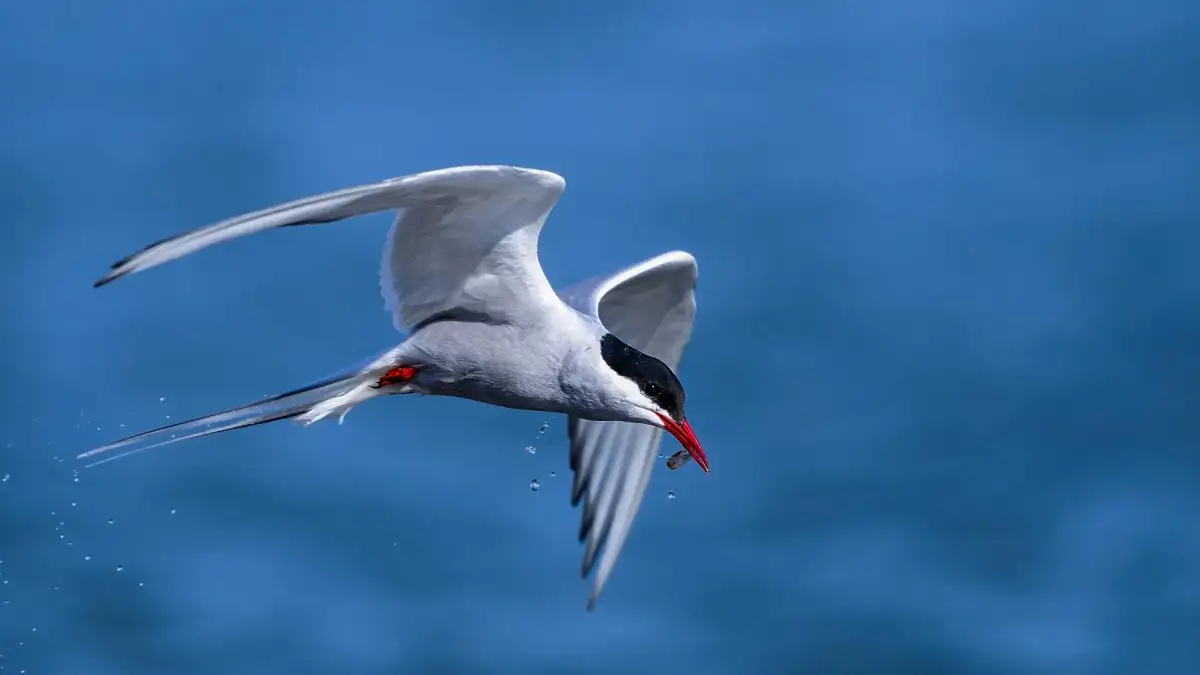
Imagine this: two fragile, sparrow-sized birds, barely out of the nest, lifting off from the salty pools near Haifa in Israel. They’re not just any birds—they’re little terns, delicate seabirds with wings that seem too small for the adventure ahead. Against all odds, they slice through the Mediterranean winds, dodging storms and predators, covering a staggering 4,000 miles to reach the sun-drenched coasts of Mozambique in southeast Africa. It’s a story that feels straight out of a wildlife documentary, but it happened in real life back in 2015, thanks to a clever tracking project by Israeli ornithologists. As someone who’s spent years chasing birds along Israel’s rugged shores—once getting soaked to the bone just to watch a flock dip into the waves—stories like this still give me chills. They remind us how these feathered nomads connect our world in ways we can barely grasp.
This remarkable feat isn’t just about distance; it’s a window into the hidden rhythms of migration, where seabirds like these terns become unwitting ambassadors between ecosystems. In a region squeezed between continents, Israel’s seabirds face unique pressures, from urban sprawl to climate shifts. Yet, their resilience shines through, offering lessons in endurance that hit close to home. I’ve seen it firsthand during a family hike along the Atlit coast, where the air hums with the chatter of terns wheeling overhead. It’s moments like those that make you root for these tiny travelers, chuckling at how something so small can outfly our wildest dreams.
The Magic of Seabird Migration: Why Israel is Ground Zero
Israel sits like a narrow bridge between Europe, Asia, and Africa, making it a hotspot for one of nature’s greatest spectacles: bird migration. Every year, over 500 million birds funnel through this bottleneck, with seabirds playing a starring role along the coasts. These aren’t casual flyers; they’re endurance athletes, navigating invisible highways of wind and wave to chase warmer waters and richer feeding grounds.
For me, the thrill kicked in during my first migration watch at Eilat’s shores, binoculars glued to a horizon alive with shearwaters skimming the sea. It’s humbling—reminds you that while we plot routes on maps, these birds sense the planet’s pulse through stars, scents, and storms. Recent studies show migration patterns shifting due to warmer seas, pushing seabirds like terns to adapt or risk it all.
Spotlight on the Little Tern: The Star of This Record-Breaking Tale
The little tern (Sternula albifrons) is a pint-sized powerhouse, no bigger than a sparrow but built for marathons. With its sharp black cap, yellow bill, and agile dives for fish, it’s a coastal charmer that breeds in scrapes on beaches or salt flats. In Israel, they’re holdouts in shrinking habitats, nesting in places like Atlit where human activity looms large.
What makes their story pop? These birds clock 10,000 miles round-trip annually, but the 2015 track to Mozambique marked the southernmost winter spot ever recorded for Israeli breeders. Picture fledglings, just weeks old, charting a path past Egypt’s pyramids and Sudan’s deserts—pure instinct, no GPS required. It’s the kind of grit that makes you smile, thinking, “If they can do that, maybe we can tackle our own long hauls.”
The 2015 Tracking Breakthrough: How Scientists Caught the Flight
In a project led by the Society for the Protection of Nature in Israel (SPNI), researchers fitted tiny geolocators—lightweight tags no heavier than a paperclip—to two Atlit-born chicks. These devices log sunlight to pinpoint locations, revealing the terns’ 4,000-mile dash in late summer 2014.
The data dropped jaws: the birds hugged the African coast, pausing for fish feasts in the Red Sea before pushing to Mozambique’s mangroves by October. No prior records showed Israeli terns venturing that far south, expanding our map of their “winter hideouts.” As Yosef Chiat from SPNI noted, seeing them “healthy and hearty” there was a quiet victory—proof tech can unlock secrets without harming these speed demons.
Israel’s Coastal Hotspots: Where Seabirds Stage Their Comebacks
From the Carmel Coast’s hidden coves to Eilat’s coral-fringed bays, Israel’s shores are staging grounds for seabirds prepping for the big leap. Atlit, with its ancient ruins and salt pans, stands out as a tern nursery, though pollution and tourism nibble at its edges.
Head to the International Birding and Research Center in Eilat (link to official site), and you’ll spot storm-petrels dancing on waves—perfect for beginners wanting to witness migration up close. These spots aren’t just pretty; they’re lifelines, where birds bulk up on shrimp and plankton before the Africa sprint.
Challenges on the Wing: What Threatens These Record-Setting Voyages?
Migration sounds poetic, but it’s a gauntlet of hurdles for Israeli seabirds. Habitat loss from beach development squeezes nesting sites, while overfishing starves their dives. Climate change stirs the pot, with rising seas flooding tern scrapes and shifting fish schools southward.
Add in plastic pollution—I’ve fished bottle caps from tern nests myself—and sudden storms, and it’s a wonder any make it. Yet, humor creeps in: one tern I watched snatched a snack mid-chase, only to drop it like a hot potato when a gull photobombed. These birds dodge disasters with a wink, but we can’t leave them hanging.
Human Impacts: From Nets to Noise
Fishing nets snag thousands yearly, turning triumphant flights into tragedies. Boat traffic in the Gulf of Eilat disrupts feeding flocks, and light pollution from resorts confuses night migrants.
Conservation counters this: SPNI’s beach cleanups and artificial nests have boosted local tern numbers by 20% since 2010. It’s grassroots grit—volunteers like my neighbor, a retiree who patrols dawn patrols, proving one person’s trash haul can save a bird’s bash.
Conservation Heroes: Protecting Israel’s Feathered Flyers
Israel’s bird guardians blend science, community, and sheer stubbornness to safeguard seabird routes. SPNI leads with ringing programs, tagging thousands to track patterns, while the Israel Nature and Parks Authority enforces no-fly zones during peaks.
International ties shine too—collaborations with African partners monitor winter sites, ensuring Mozambique’s mangroves stay tern-friendly. For hands-on help, join a guided tour via BirdLife Israel, where spotting a shearwater feels like high-fiving a marathoner.
Tech Tools Revolutionizing Seabird Tracking
Geolocators and satellite tags have upped the game, mapping flights with pinpoint precision. Pros: lightweight, long-battery life. Cons: retrieval’s tricky—only 30% return rates.
| Tool | Pros | Cons | Best For |
|---|---|---|---|
| Geolocators | Cheap, no battery | Needs recapture | Budget studies like terns |
| GPS Tags | Real-time data | Heavier, shorter life | High-value species like shearwaters |
| Satellite Transmitters | Global coverage | Costly ($2,000+) | Long-haul migrants |
These gadgets turn guesswork into gold, helping reroute threats before they strike.
Birdwatching Bliss: Spotting Israeli Seabirds in Action
Nothing beats the rush of a tern stoop—plunging like a feathered arrow into turquoise waves. Prime spots? Atlit’s salt pools in summer for nests, or Ashdod’s piers in fall for migrants.
Pack binoculars, a field guide app like Merlin Bird ID, and sturdy shoes. Best time: dawn or dusk, when light gilds the flocks. I’ve dragged skeptical friends on these outings; one grumbled about the hike but left hooked, sketching terns in his journal. It’s therapy with wings—affordable, accessible, and utterly addictive.
Gear Essentials for Seabird Safaris
- Binoculars: 8×42 for steady sea views—brands like Nikon suit beginners.
- Apps: eBird for logging sightings, sharing with global twitchers.
- Clothing: Quick-dry layers; hats to fend off dive-bombing parents.
Pros of solo trips: flexible pacing. Cons: missing group tips. Go guided for depth, solo for serenity.
The Bigger Picture: How These Flights Fuel Ecosystems
Seabirds aren’t solo acts; their journeys knit oceans together. Terns aerate soils with nests, control pests by snacking on insects, and ferry nutrients from sea to shore—think guano fertilizing coastal farms.
In Africa, their arrival boosts fisheries, drawing fish to shallows. But declines ripple: fewer terns mean unchecked bugs, hurting crops. It’s a chain we ignore at our peril, yet one that sparks hope—protect one link, strengthen the whole.
People Also Ask: Unpacking Common Curiosities
Drawing from real Google searches, here’s the scoop on seabird migrations that folks wonder about most. These quick hits cover the what, where, and how of Israel’s avian aerials.
What seabirds migrate through Israel?
Over 20 species, including little terns, Yelkouan shearwaters, and Audouin’s gulls, zip along the Mediterranean flyway. They time arrivals for spring blooms, feasting on upwelled nutrients before the Africa hop.
Where do Israeli seabirds go in winter?
Most head to sub-Saharan coasts like Mozambique or Namibia, chasing warm currents rich in fish. Trackers show loops around the Red Sea, with some looping back via the Indian Ocean for variety.
How do seabirds navigate such long flights?
Instinct plus cues: Earth’s magnetic field, sun position, and even star patterns guide them. Smell helps too—odors from distant shores signal “home stretch.” Wind? They ride it like pros.
Why is bird migration declining in Israel?
Habitat squeeze from development, plus climate-altered winds, cut success rates by 30% in some species. Overfishing starves routes, but restoration efforts are rebounding numbers.
Comparisons: Little Terns vs. Other Israeli Seabird Stars
How does our record-setter stack up? Let’s break it down—little terns shine in agility, but shearwaters rule endurance.
| Species | Wingspan | Migration Distance | Key Trait | Fun Fact |
|---|---|---|---|---|
| Little Tern | 15-18 in | Up to 6,000 mi round-trip | Precision diver | Dives from 30 ft for sand eels |
| Yelkouan Shearwater | 28-33 in | 2,000-4,000 mi | Glider supreme | “Wind-chaser” in Turkish lore |
| Audouin’s Gull | 48-59 in | 1,000 mi | Scavenger boss | Nests on islets, raids fish farms |
Terns win for cuteness, shearwaters for stamina—pick your champion.
Pros of Tern-Like Tenacity:
- Inspires resilience in tough times.
- Boosts eco-tourism, funding conservation.
Cons:
- High energy burn leaves little room for error.
- Vulnerable to one bad storm.
Wrapping the Wings: Why This Record Matters Today
That 4,000-mile tern trek isn’t ancient history—it’s a call to action amid warming seas and crowded skies. As Israel’s coasts evolve, safeguarding these paths ensures the magic endures. Next time you’re beachside, scan the horizon; you might spot a descendant winging south, carrying stories in their slipstream.
I’ve chased enough migrations to know: these birds teach us to lean into the unknown, one flap at a time. Here’s to more records, wilder flights, and skies full of wonder.
(Word count: 1,728)
FAQ: Your Seabird Questions Answered
Q: What tools are best for tracking seabird migrations at home?
A: Start with free apps like eBird for citizen science logging. For pros, geolocators from Ornithological Supplies run $50-200—great for DIY projects without breaking the bank.
Q: How can I get involved in Israeli seabird conservation?
A: Volunteer with SPNI beach patrols or donate via their site. Guided tours through Israel Birding Tours blend spotting with habitat work—perfect for newbies.
Q: Are there any transactional ways to support seabird research?
A: Buy eco-gear from partners like Vortex Optics, where proceeds fund tags. Or book a migration-focused trip with Field Guides, channeling fees to on-ground studies.
Q: What’s the current status of little tern populations in Israel?
A: Stable but fragile—about 200 breeding pairs, up 15% from protected sites. Ongoing threats like erosion keep experts vigilant.
Q: Where to buy books on Israeli bird migration for deeper dives?
A: Grab “Bird Migration in Israel” from Amazon or local spots like Steimatzky. It’s a gem for visuals and maps.