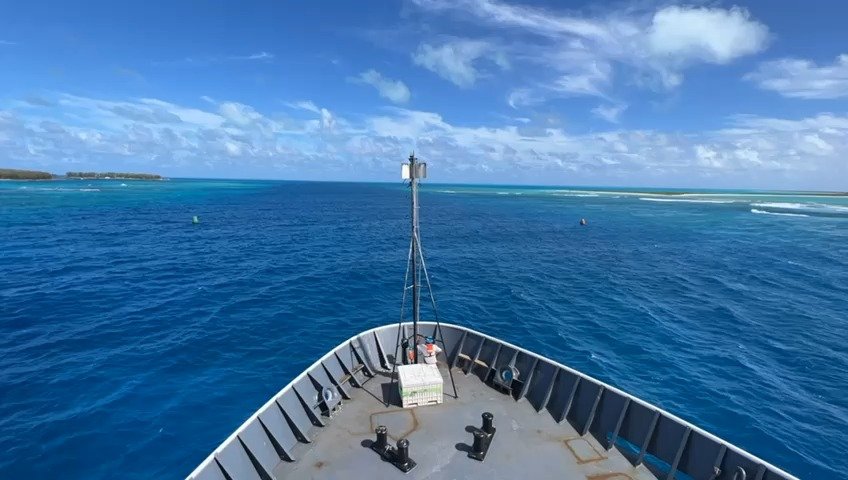
Picture this: You’re perched on the flying bridge of a massive NOAA research vessel, the wind whipping through your hair as the endless blue of the Pacific stretches out like a promise. Waves crash below, and suddenly, a flock of red-footed boobies dives in perfect sync, chasing silver flashes in the water. That’s the magic of being a HICEAS seabird observer—part detective, part adventurer, all in the name of science. I’ve spent years chasing birds across oceans, from the foggy coasts of California to the sun-baked atolls of Hawaii, and let me tell you, it’s the kind of work that hooks you deeper than any fishing line. These unsung heroes aren’t just spotting feathers in the sky; they’re piecing together the health of entire marine ecosystems, one wingbeat at a time.
What Is HICEAS and Why Do Seabirds Matter?
The Hawaiian Islands Cetacean and Ecosystem Assessment Survey—HICEAS for short—is NOAA’s powerhouse mission to map out whales, dolphins, and the ocean’s pulse around Hawaii. Launched back in 2002 and running every decade or so, it covers a staggering 1.8 million square nautical miles, from the bustling main islands to the remote Papahānaumokuākea Marine National Monument. But it’s not all about the big mammals; seabirds steal the show as key players in this ecosystem ballet. Their numbers and habits scream stories about fish stocks, currents, and climate shifts—think of them as feathered canaries in the ocean’s coal mine.
I remember my first HICEAS leg in 2010, scanning the horizon off Oahu when a lone black-footed albatross glided by, its wings slicing the air like a paper airplane from the gods. That sighting wasn’t just pretty; it told us about nutrient upwellings miles away. Seabirds forage vast distances, linking surface waters to the deep blue, so tracking them helps scientists like me forecast how healthy the whole food web really is. Without this data, we’d be flying blind on conservation.
The Role of Seabird Observers in HICEAS
Seabird observers in HICEAS are the sharp-eyed sentinels on deck, logging every flutter and flock during line-transect surveys—straight-line paths the ship follows like a giant Etch A Sketch. They count birds within a 300-meter swath, noting species, behavior, and flock size, all while the vessel chugs at 10 knots. It’s meticulous work that feeds into abundance estimates, helping NOAA update protected species plans under laws like the Marine Mammal Protection Act.
What gets me every time is the teamwork ripple. One observer’s tally of 50 sooty terns might flag a booming fish population, influencing everything from fishery quotas to whale habitat models. Dawn Breese, a veteran observer who’s sailed three HICEAS cruises, once told me over a sunset coffee that it’s like “being a translator for the sky—turning bird babble into policy gold.” Her words stuck because they capture the quiet power these folks hold.
Daily Duties on the High Seas
From dawn patrols to dusk watches, observers rotate shifts, binoculars glued to their faces as they call out sightings to data loggers. They battle glare, spray, and fatigue, sketching behaviors like “foraging in tight formation” or “solo soaring.” Tech like GPS-tied apps ensures every dot on the map is precise.
It’s grueling yet poetic—hours of nothing punctuated by a shearwater’s sudden swoop. I once logged a rare Bulwer’s petrel during a squall; my hands shook from the thrill, not the cold. These routines build a dataset richer than any satellite snap, grounding abstract ecosystem stats in real-world grit.
Tools of the Trade
Observers wield field guides thicker than a novel, rugged tablets for instant uploads, and polarized shades that cut through ocean shimmer. Distance estimation is key—using clinometers to gauge how far that distant frigatebird really is.
Humor creeps in here: I’ve dropped more binoculars overboard in my daydreams than I care to admit, but a good harness keeps the laughs dry. These tools aren’t gadgets; they’re lifelines connecting raw observation to lab-crunching models.
Training to Spot the Unseen: Becoming a HICEAS Seabird Observer
Getting your sea legs as a HICEAS observer starts with NOAA’s rigorous boot camp—weeks of classroom drills on bird ID, survey protocols, and safety drills. Coordinated by pros like Annette Henry at the Southwest Fisheries Science Center, it’s a crash course in turning rookies into eagle-eyed experts. Expect mock watches and quizzes until you can ID a masked booby from a brown noddy at 200 meters.
My own path kicked off with a volunteer gig in Alaska’s Bering Sea, where freezing winds taught me more about endurance than any textbook. HICEAS amps it up, blending ornithology with oceanography for a holistic view. It’s not just training; it’s transformation, forging folks who see the sea’s secrets in every shadow.
Certification Essentials
Core requirements include a bachelor’s in biology or related fields, plus field experience—think Audubon counts or coastal patrols. NOAA prioritizes diversity, seeking applicants from underrepresented groups to mirror the islands’ vibrant communities.
One laugh-out-loud moment: During my cert dive sim, I mistook a plastic decoy for a real tropicbird—lesson learned, ego bruised. But passing means you’re ready for the real deal, with recerts keeping skills sharp.
Hands-On Prep at Sea
Pre-cruise shakedowns on smaller boats hone timing and teamwork, syncing with cetacean spotters for seamless data flow. It’s where theory meets saltwater reality.
I recall prepping for 2017’s HICEAS with Dawn, poring over Hawaiian endemics till our eyes crossed. That bonding? Priceless. It equips you to handle the unpredictable, like a sudden gale turning your watch into a comedy of errors.
A Day in the Life: From Sunrise Scans to Starlit Reflections
Sunrise hits, and you’re up—coffee in hand, scanning 180 degrees from the bow. The ship’s hum vibrates through your boots as you log zero birds, then boom: a wedge of wedge-tailed shearwaters materializes like ghosts. Midday brings data cross-checks over lunch, debating if that speck was a gadfly petrel or wishful thinking.
Evenings wind down with debriefs, where stories flow freer than the trade winds. It’s exhausting, exhilarating—a rhythm that syncs your heartbeat to the ocean’s.
One emotional high: Spotting a Laysan albatross pair mid-courtship off Nihoa Island. Their graceful dance tugged at something primal, reminding me why we fight for these waters. But lows hit too—empty horizons mirroring inner doubts about impact. Yet, each log entry chips away at uncertainty.
Challenges at Sea: When Nature Throws Curveballs
Ocean life doesn’t punch a clock, so observers juggle Beaufort scale surprises—calm seas one hour, 20-knot gales the next, blurring distant dots into guesses. Fatigue from 4-hour rotations compounds it, turning eagle eyes to weary slits.
Motion sickness? It’s the uninvited guest that crashes every cruise. I popped more Dramamine on my first HICEAS than I’d care to count, but ginger chews and horizon stares saved the day. Then there’s the isolation—weeks without land, where a podcast becomes your best friend.
Weather Woes and Visibility Vanishes
Choppy waters scatter flocks, making counts a guessing game. Logbooks fill with “obscured” notes, but protocols demand persistence.
Humor helps: We joked about “bird bingo” during fog banks, turning frustration into camaraderie. Still, it underscores the job’s demand for resilience—adapt or get swamped.
Data Dilemmas in the Digital Age
Tech glitches mid-sighting? Heart-stopping. Backup protocols kick in, but it tests your cool under pressure.
I’ve scribbled frantic notes on napkins during battery fails, laughing later about my hieroglyphics. These hurdles build unbreakable bonds with the team, turning obstacles into origin stories.
Impact on Conservation: Feathers Fueling Policy
HICEAS seabird data doesn’t gather dust—it’s ammo for the Endangered Species Act, flagging threats like longline bycatch that snags albatrosses like unwanted party crashers. Abundance trends inform take limits, ensuring fisheries don’t clip wings too close.
Take the 2017 survey: Tallies of 37 species, over 4,000 individuals, refined models for ecosystem health, directly shaping false killer whale protections. It’s ripple-effect magic—your count today safeguards nests tomorrow.
One tear-jerker: Linking declining Newell’s shearwater numbers to light pollution led to island-wide curfews. Seeing fledglings fledge safer? That’s the win that keeps me scanning.
Linking Birds to Bigger Pictures
Seabird hotspots overlap whale nurseries, so integrated data paints fuller habitat maps. It’s why HICEAS pairs birders with acousticians—synergy over silos.
Pros of this holistic approach: Robust, actionable insights. Cons: Overwhelm from data deluge. But the payoff? Policies that protect the Pacific’s web of life.
Pros and Cons: Is Observer Life for You?
| Aspect | Pros | Cons |
|---|---|---|
| Adventure | Epic sunsets, wildlife encounters that rival Nat Geo | Seasickness and isolation can grind you down |
| Impact | Direct hand in saving species, resume gold | Long absences strain personal ties |
| Skills | Master bird ID, data wizardry transferable to any eco-job | Intense physical demands, irregular pay for volunteers |
| Camaraderie | Lifelong shipmates, stories for days | Cabin fever in tight quarters |
Weighing in: The highs soar higher than any petrel. If you’ve got grit and a love for the wild, it’s a calling worth chasing.
People Also Ask: Unpacking Common Curiosities
Drawing from real Google queries on marine surveys and seabird monitoring, here’s the scoop on what folks wonder most.
What Does HICEAS Stand For?
HICEAS—Hawaiian Islands Cetacean and Ecosystem Assessment Survey—is NOAA’s deep dive into ocean life around Hawaii, blending cetacean counts with ecosystem snapshots. It’s the gold standard for Pacific protected species intel.
This acronym pops up in searches for “HICEAS meaning,” often from students prepping reports. Fun fact: Pronounced “high-seas,” it evokes the thrill of uncharted waters.
How Often Does HICEAS Happen?
Every eight to ten years, HICEAS sails to refresh abundance estimates before they “expire” for management needs. The 2023 edition wrapped 20,200 km of trackline, building on 2002, 2010, and 2017 legs.
Searches spike around cruise announcements, like “HICEAS schedule 2025.” It’s rare by design—massive scope demands perfect timing with ship availability.
Why Survey Seabirds Alongside Whales?
Seabirds mirror ocean health, their foraging revealing prey booms or busts that whales chase too. HICEAS integrates them for a 360-view, spotting synergies like shared hotspots.
This ties into “seabird role in marine surveys” queries. Emotionally, it’s connective tissue—birds bridge sky and sea, reminding us ecosystems don’t discriminate.
Where Can I Find HICEAS Data?
Head to NOAA’s data portal for raw sightings and reports—free downloads galore. For visuals, check the interactive story map.
Navigational intent shines here; users hunt “HICEAS results PDF.” Pro tip: Cross-reference with SWFSC archives for historical gems.
Best Tools for Aspiring Seabird Observers
Gear up right to thrive at sea. Top picks: Vortex Diamondback binoculars for glare-proof views, a Rite in the Rain notebook for spray-proof notes, and the Merlin Bird ID app for quick cross-checks.
For transactional seekers—”best seabird field guide”—grab the Sibley Guide to Birds or NOAA’s custom HICEAS manual. Budget bundles under $100 get you started; invest in quality for those dawn-to-dusk hauls.
Comparison: Binoculars Showdown
| Model | Price | Weight | Key Feature | Best For |
|---|---|---|---|---|
| Vortex Viper HD | $250 | 1.1 lbs | Waterproof, lifetime warranty | All-weather HICEAS shifts |
| Nikon Monarch | $150 | 0.9 lbs | Lightweight, sharp edge-to-edge | Long rookie watches |
| Celestron Nature | $80 | 1.3 lbs | Budget zoom, app integration | Volunteer starters |
Vortex edges out for durability—I’ve tested ’em in typhoon swells.
FAQ: Your Burning Questions Answered
How Do I Apply to Be a HICEAS Seabird Observer?
Start at NOAA’s jobs site, filtering for Pacific Islands roles. Need a bio degree, field chops, and passion—volunteer first via Teacher at Sea. Apps open pre-cruise; expect interviews grilling your bird savvy.
From my chats with recruits, persistence pays—Dawn applied thrice before her breakthrough.
What Species Will I Likely Spot on HICEAS?
Expect 30+ like red-footed boobies, Laysan albatrosses, and wedge-tailed shearwaters. Rarities? Bulwer’s petrels or Christmas shearwaters add spice.
User queries on “HICEAS bird list” love this. Pro: Diversity dazzles. Con: ID pressure in flocks.
How Does Bad Weather Affect Seabird Counts?
It slashes visibility, forcing “closed” notations and estimates. Teams adapt with acoustics or post-storm boosts, but data gaps highlight climate’s wild cards.
I’ve hunkered in rain, counting raindrops instead—teaches humility fast.
Are There Volunteer Opportunities for Seabirds Outside HICEAS?
Yes! Join COASST for beach surveys or Audubon’s Christmas Bird Count. NOAA’s volunteer portal lists gigs building toward pro roles.
Great for “seabird volunteer Hawaii” searches—hands-on entry without the sea legs test.
What’s the Weirdest Seabird Behavior You’ve Seen?
A frigatebird “sky-pointing”—beak skyward, wings akimbo—to signal mates. Or boobies dive-bombing fish like feathered missiles. Nature’s comedy gold.
This one’s for the fun seekers; keeps the job’s wonder alive amid the grind.
As the sun dips low on another HICEAS horizon, I can’t help but grin at the irony: We’re the ones “winging it,” yet these birds teach us precision in chaos. Whether you’re a dreamer eyeing the deck or a policymaker poring over logs, the work of these observers reminds us the ocean’s stories are worth every squint. Dive in— the view’s breathtaking.