Imagine standing on the deck of a ship slicing through the icy Drake Passage, the wind whipping your face as a massive shadow glides alongside—wings stretched like sails catching the endless southern breeze. That’s the magic of Antarctic seabirds. These aren’t just birds; they’re survivors, masters of a world where the ocean meets the edge of the Earth. I’ve chased them from the sub-Antarctic islands to the frozen fringes of the continent, binoculars in hand, heart pounding with every new sighting. If you’re dreaming of your own Southern Ocean adventure, knowing these feathered nomads will turn a simple cruise into a lifelong memory. Let’s dive in, shall we?
What Makes Antarctic Seabirds So Special?
Antarctic seabirds thrive in one of the harshest environments on the planet, where temperatures plunge below freezing and winds howl like banshees. What sets them apart? Their incredible adaptations: from tube-shaped nostrils that sniff out fish from miles away to feathers oiled for waterproofing that keep them afloat in sub-zero swells. These birds aren’t show-offs like their tropical cousins; they’re quiet engineers of survival, linking the krill-rich waters to the sky in a delicate dance of life.
Picture this: during my first trip to the Antarctic Peninsula, I watched a flock of petrels skim the waves, their wings barely touching the foam. It felt like witnessing evolution in real time—pure poetry against the chaos of icebergs. These species, from albatrosses to storm petrels, number over 30 in the Southern Ocean, each playing a role in an ecosystem that’s as fragile as it is vast. They’re not just pretty; they’re indicators of ocean health, whispering warnings about climate shifts we can’t ignore.
Their stories pull at you emotionally too. Many migrate thousands of miles, enduring storms that would ground lesser creatures, only to return to the same rocky nook to raise a single chick. It’s a reminder of resilience, the kind that makes you root for them like underdogs in a gritty tale. And yeah, there’s humor in it—watching a skua chase a gull like a playground bully adds a chuckle to the awe.
The Iconic Albatrosses of the Southern Ocean
Albatrosses are the rock stars of Antarctic skies, with wingspans that could blanket a small car. These majestic gliders symbolize freedom, soaring for hours without a flap, riding thermals like pros on an invisible highway. In the Southern Ocean, they’re drawn to the nutrient upwellings where krill blooms feed the food chain, making them a must-spot for any birdwatcher.
I remember the thrill of my closest encounter off South Georgia: a wandering albatross banked so low I could see the intricate patterns on its underwing, like a living airfoil. It was gone in seconds, off to cover 10,000 kilometers in a month. These birds mate for life, performing elaborate dances that look like a feathered tango—equal parts romance and comedy.
Wandering Albatross: The Ultimate Wanderer
The wandering albatross holds the record for the largest wingspan—up to 3.5 meters—earning its name by circumnavigating the globe without breaking a sweat. Breeding every other year on remote islands like South Georgia, it lays a single egg in a massive mud nest, both parents sharing incubation duties for two months.
These gentle giants feed on squid and fish snatched from the surface, but their slow maturity (up to 10 years) makes them vulnerable. I’ve seen them follow ships, eyes locked on scraps, a poignant mix of curiosity and hunger that tugs at the heartstrings.
Grey-Headed Albatross: The Agile Acrobat
Slightly smaller but no less impressive, the grey-headed albatross dazzles with its pink-tinged bill and yellow crown. It nests on steep cliffs in the sub-Antarctic, where winds whip up to 100 km/h, testing even their aerial prowess.
During breeding, males trumpet calls that echo like foghorns, a sound that still gives me chills. They’re more agile than their wandering kin, twisting through gales with balletic grace—nature’s own stunt pilots.
Petrels and Prions: The Tiny Titans of the Tubenose Family
Petrels and prions are the unsung heroes of Antarctic seabird lore—small, scrappy, and endlessly fascinating. Part of the Procellariidae family, their “tube noses” act like built-in salt-excreters and scent detectors, letting them home in on prey from afar. These birds blanket the Southern Ocean in summer, filtering plankton like living sieves.
On a foggy morning near the South Shetlands, I once had a prion land on my extended arm during a zodiac cruise—pure accident, but it felt like a high-five from the wild. Their coos and patters turned the silence into a symphony, blending humor (they’re clumsy landers) with raw emotion (so much effort for such tiny bodies).
Snow Petrel: Ghost of the Ice
Pure white as fresh snow, the snow petrel is one of only three birds nesting on the Antarctic mainland, braving inland cliffs up to 400 miles from the sea. It feeds on krill and fish, diving gracefully to snatch meals from icy cracks.
Their ethereal flights over pack ice evoke a sense of otherworldliness—like spirits patrolling the frozen frontier. Spotting one feels like uncovering a secret, especially knowing their populations hover around 4 million but face shrinking ice habitats.
Cape Petrel: The Pintado Painter
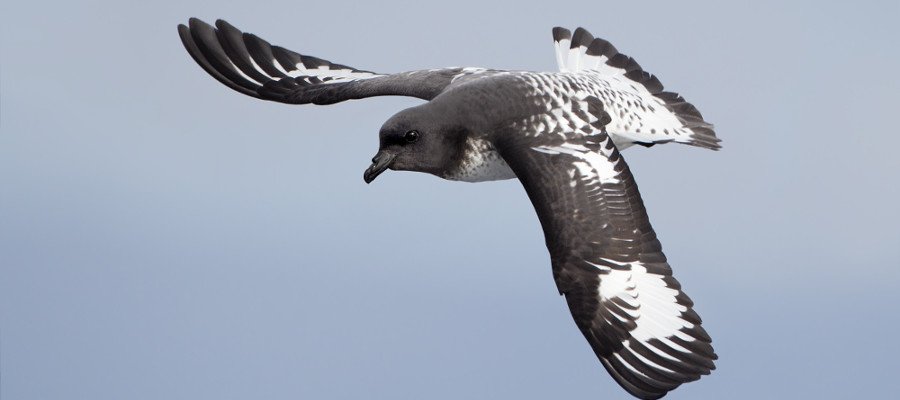
With its pied black-and-white plumage resembling a painted cape, the Cape petrel—aka pintado—is a Drake Passage regular. It scavenges krill hotspots, often mobbing ships in boisterous flocks.
I laughed out loud watching a group “pogo” over waves, bouncing like excited kids. But beneath the playfulness, their role as ecosystem connectors shines—linking surface plankton to top predators.
Antarctic Prion: The Whalebird Filter-Feeder
Named for mimicking whale feeding, the Antarctic prion sieves zooplankton through its comb-like bill, fluttering low over swells. Breeding on islands like South Georgia, it forms massive colonies where burrows honeycomb the turf.
Their abundance—millions strong—makes them a reliable sight, but climate-driven krill shifts worry experts. Seeing them sift the sea reminds me of nature’s quiet efficiency, a balm against the world’s noise.
Skuas and Gulls: The Opportunistic Scavengers
If albatrosses are poets, skuas and gulls are the street-smart hustlers of the Southern Ocean. These Laridae family members are bold, aggressive, and utterly captivating—pirating food from others with aerial chases that look straight out of an action flick. They thrive on carrion, eggs, and stolen catches, balancing the ecosystem’s messier side.
Humor creeps in here: I’ve dodged skua “dive-bombs” near nests, feeling like I was in a bad spy movie. Yet their tenacity stirs respect—survivors turning scraps into symphonies of life.
South Polar Skua: The Pirate King
The south polar skua, with its stocky build and white wing flashes, rules Antarctic coasts as a kleptoparasite extraordinaire. Nesting on the peninsula, it harasses petrels mid-flight, forcing drop-offs.
Their “bullying” is efficient evolution, but it hits hard emotionally when they raid penguin chicks. Still, populations are stable at around 10,000 breeders, a testament to their grit.
Kelp Gull: The Ubiquitous Opportunist
Grey-backed and yellow-billed, the kelp gull haunts shores from the Falklands to the peninsula, scavenging everything from fish to penguin eggs. It’s the Southern Ocean’s all-purpose diner.
On calm days near Paradise Harbor, I’d watch them loaf on ice floes, looking comically out of place. Their adaptability—omnivores extraordinaire—makes them a gateway species for new birders.
Storm Petrels and Shearwaters: Ocean Dancers
These diminutive dynamos patter across waves like water striders, their erratic flights a blur of black and white. Storm petrels and shearwaters epitomize the pelagic life, spending 90% of their time at sea, only touching land to breed.
My favorite memory? A twilight swarm of Wilson’s off Elephant Island—hundreds “walking” on water, lit by the alpenglow. It’s mesmerizing, a mix of whimsy and wonder that hooks you forever.
Wilson’s Storm Petrel: The Sea Swallow
The world’s most abundant seabird, Wilson’s storm petrel “dances” over swells, snatching plankton with dainty pats. Breeding under Antarctic rocks, it migrates to the Arctic—true globe-trotter.
With several million pairs, they’re hardy, but ocean acidification threatens their tiny prey. Their fluttering resilience? Pure inspiration.
Sooty Shearwater: The Long-Haul Migrant
Sooty shearwaters log 120,000 km annually, from Antarctic nests to Arctic feasts. Dark and sleek, they dive deep for squid, powering migrations with stored fat.
Spot them in the Scotia Sea, slicing through fog like shadows. Their endurance humbles—imagine the stories in those weary wings.
Unique Oddballs: Sheathbills and Shags
Not all Antarctic seabirds fit the mold. Sheathbills waddle like plump pigeons, sans webbed feet, while shags dive like feathered torpedoes. These outliers add quirk to the lineup, scavenging and hunting in ways that surprise.
I once shared lunch with a sheathbill on Deception Island—it eyed my sandwich with brazen hope, turning a snack into a standoff. Light-hearted chaos amid the sublime.
Snowy Sheathbill: The Landlubber Scavenger
The only non-webbed Antarctic bird, the snowy sheathbill forages penguin colonies for guano and scraps, its pink face a rosy beacon. Breeding in caves, it’s a sub-Antarctic specialist.
Their pigeon-chicken hybrid vibe brings smiles—clumsy on ice, but clever thieves.
Imperial Shag: The Year-Round Nest Builder
With blue eye-rings and crested heads, imperial shags maintain nests through winter, diving 100m for fish. Found on the peninsula and South Georgia, they’re the only year-round Antarctic nester.
Watching a flock herd fish is like a coordinated ballet—efficient, elegant, essential.
Comparison: Albatross vs. Petrel – Aerial Architects
Wondering how these sky-dwellers stack up? Albatrosses rule long hauls with massive wings, while petrels excel in nimble foraging. Here’s a quick table to break it down:
| Feature | Albatrosses | Petrels & Prions |
|---|---|---|
| Wingspan | 2.5–3.5m (gliders) | 0.5–1m (flutterers) |
| Flight Style | Effortless soaring | Erratic dipping |
| Diet | Squid, fish (surface snatch) | Plankton, krill (filter) |
| Breeding Sites | Remote islands | Cliffs, burrows |
| Lifespan | 50+ years | 15–30 years |
Albatrosses win for spectacle, petrels for sheer numbers—both indispensable.
Pros and Cons: Birdwatching in the Antarctic
Pros:
- Unmatched diversity: 30+ species in one trip.
- Epic settings: Icebergs as backdrops.
- Low crowds: Intimate encounters.
Cons:
- Weather whims: Fog can hide stars.
- Seasickness risk: Pack ginger.
- Cost: Premium for paradise.
Weighing in? The pros crush it—nothing beats that first albatross silhouette.
Conservation Challenges Facing Antarctic Seabirds
These birds face a perfect storm: climate change melts breeding ice, fisheries snag them in longlines, and invasive rats devour eggs on islands. Krill overharvesting ripples up the chain, starving chicks. Yet hope glimmers—CCAMLR’s bycatch rules have slashed deaths by 90% in some fleets.
Emotionally, it’s gut-wrenching: populations like wandering albatrosses have dropped 30% in decades. But stories of recovery, like rat eradications on South Georgia boosting petrel numbers, fuel optimism. We’re not powerless; informed action counts.
For deeper dives, check the British Antarctic Survey’s seabird reports.
Where and How to Spot Antarctic Seabirds
The Southern Ocean’s sweet spots? Start in the Drake Passage for albatrosses, hit the Antarctic Peninsula for petrels, and detour to South Georgia for breeding spectacles. Best time: November–March, when colonies buzz.
Navigational tip: Book a cruise with ornithologist guides—Oceanwide Expeditions nails it. Gear up with waterproof bins and a field guide like “Birds of the Antarctic” by George Levick.
Transactional nudge: For top tools, snag the Vortex Razor HD binoculars—crisp views in low light. Or download the Merlin Bird ID app for on-the-go IDs.
Real talk: My best haul? A zodiac tour near the South Shetlands—close enough to hear wingbeats.
People Also Ask: Quick Insights on Antarctic Seabirds
Drawing from common Google queries, here’s what folks often wonder:
What are the most common Antarctic seabirds?
Wilson’s storm petrels top the list, with millions fluttering over waves. Cape petrels and southern fulmars follow, easy spots for beginners.
How do Antarctic seabirds survive the cold?
Thick, oiled plumage traps air for insulation, while counter-current blood flow warms feet. They huddle in colonies too—teamwork against the freeze.
Are Antarctic seabirds endangered?
Many aren’t, but albatrosses and giant petrels teeter on vulnerable due to bycatch. Climate threats loom large for all.
Where is the best place to see Antarctic seabirds?
South Georgia’s cliffs host massive colonies—albatrosses galore. The peninsula offers coastal variety.
What do Antarctic seabirds eat?
Krill rules, but squid, fish, and plankton round it out. Scavengers like skuas add eggs and carrion.
FAQ: Your Burning Questions Answered
What is the rarest Antarctic seabird to spot?
Light-mantled albatrosses—elusive nesters on remote cliffs. Patience pays off in the Weddell Sea.
How can I prepare for Antarctic birdwatching on a budget?
Rent gear in Ushuaia; join group tours for shared costs. Focus on deck time—free thrills abound.
Do Antarctic seabirds migrate?
Most do, north to warmer waters in winter. Arctic terns go full circle—two summers a year!
What’s the biggest threat to Southern Ocean birds?
Bycatch in fisheries—up to 300,000 deaths yearly. Support ACAP for change.
Can kids enjoy Antarctic seabird spotting?
Absolutely—penguin proxies like petrels charm all ages. Bring kid-sized bins for magic.
There you have it—the winged wonders of the Southern Ocean, from graceful gliders to feisty foragers. These birds aren’t just sights; they’re stories of endurance that stick with you long after the ice fades. If this sparks your wanderlust, chase it. The Antarctic awaits, wings and all. What’s your first must-see? Drop a note—I’d love to hear.