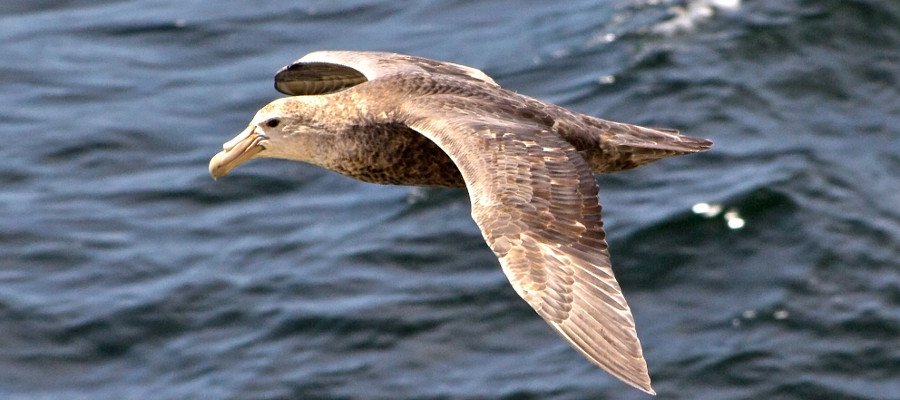
Picture this: You’re standing on a windswept cliff, salt spray kissing your face, as the sun dips low over an endless expanse of blue. Suddenly, a shadow glides across the foam—a massive wingspan unfurling like a kite in the breeze. That’s the magic of seabirds, those tireless wanderers who turn the open ocean into their personal runway. I’ve chased these feathered nomads from the rugged shores of Maine to the misty headlands of California, and let me tell you, nothing beats the thrill of watching them dance with the wind. These aren’t just birds; they’re survivors, storytellers of the sea, reminding us how fragile and fierce our world can be.
As a lifelong birder who’s logged more boat hours than I care to count—once spending 12 soggy hours on a pelagic trip off Oregon just for a glimpse of a rare shearwater—I’ve learned seabirds aren’t content with backyard feeders or tidy nests. They demand the wild heart of the waves. In this piece, we’ll dive into their world: the species that steal the show, the clever ways they cheat gravity, and why spotting one feels like uncovering a secret. Whether you’re a beach stroller or an armchair adventurer, stick around—you might just find yourself scanning the horizon next time you’re near the water.
What Are Seabirds? A Quick Dive into Ocean Aviators
Seabirds are the ultimate multitaskers of the avian kingdom, spending up to 90% of their lives over saltwater, from coastal shallows to the deepest blue beyond the horizon. They’re not a strict taxonomic club—think penguins, albatrosses, gulls, and petrels lumped together by lifestyle rather than family tree—but what unites them is an unyielding bond with the sea. These birds have evolved tricks like salt-excreting glands above their eyes to handle briny meals and waterproof feathers that shrug off the spray.
I remember my first real encounter with one during a family camping trip on the Outer Banks. A lone brown pelican bombed into the surf like a feathered torpedo, emerging with a wriggling fish that made my kid-self whoop with delight. That moment hooked me, showing how seabirds bridge the gap between sky and sea in ways that feel almost mythical. Today, with over 300 species worldwide, they’re bellwethers for ocean health—thriving flocks signal balanced ecosystems, while declines whisper warnings about pollution and overfishing.
From the tube-nosed albatross sniffing out squid from miles away to the burrow-nesting storm-petrels that vanish into the night, seabirds embody resilience. But they’re under siege, with populations down nearly 70% since the 1950s. Understanding them isn’t just bird nerdery; it’s a call to protect the waves they rule.
The Masters of Soaring: How Seabirds Harness the Wind
Ever wonder how a bird the size of a small dog can cruise thousands of miles without flapping? It’s all in the physics of “dynamic soaring,” where seabirds like albatrosses exploit wind shear—the sneaky speed differences in air layers over waves—to stay aloft for days. They dip low into troughs for calm air, then surge up into gusts, turning the ocean’s chaos into free fuel. Studies from Cornell Lab show wandering albatrosses clocking 3,000 miles a week this way, burning less energy than a leisurely stroll.
Humor me for a second: Imagine trying to bike uphill forever, but instead of pedaling, you slingshot off invisible ramps. That’s these birds in action, and it’s why watching them feels like peeking at nature’s engineering hack. On that Oregon trip I mentioned, our boat cut through swells, and suddenly a black-footed albatross appeared, wings locked in a perfect arc, barely twitching. The guide joked it was “phoning it in,” but really, it was poetry—effortless grace amid the roar.
This isn’t just showy; it’s survival. Soaring conserves fat reserves for breeding far from food, letting these nomads roam vast, prey-scarce seas. Yet climate shifts messing with wind patterns threaten this ballet, making every glide a quiet plea for steadier skies.
Albatrosses: The Long-Haul Gliders
With wingspans stretching 11 feet—the wandering albatross holds the record—these tube-nosed titans are built for eternity aloft. They nest on remote Southern Ocean islands, returning after years at sea to woo mates with elaborate dances. Fun fact: Males “clack” bills like castanets in courtship, a sound that echoes like distant thunder.
I’ve seen them off Hawaii, where black-footed albatrosses wheel over volcanic cliffs, their white caps gleaming. It’s humbling— these birds outlive us, some hitting 60 years, but longline fisheries snag 100,000 annually. Conservation wins, like BirdLife International’s streamer lines scaring birds from hooks, have stabilized populations in spots like the Galápagos.
Shearwaters and Petrels: The Low-Skimming Daredevils
These procellariiform cousins hug waves like surfers, “shearing” the surface with stiff wings to snatch krill and fish. Sooty shearwaters migrate 40,000 miles yearly, looping from New Zealand to Alaska—a journey that’d bankrupt a human in plane tickets. Petrels, smaller and stormier, patter across swells like tiny witches, using smell to home in on oily feasts.
One foggy dawn in Cornwall, UK, I watched Manx shearwaters burst from burrows, slicing the sea like arrows. Their burrowing habit dodges predators, but plastic pollution chokes nests. Groups like the RSPB now deploy “predator-proof” fences, boosting fledging rates by 50%.
Spotlight on Iconic Species: Meet the Stars of the Surf
From pterodactyl-esque frigatebirds to clownish puffins, seabirds dazzle with diversity. Each has quirks that make them unforgettable—think the northern gannet’s 60-mph plunge dives or the magnificent frigatebird’s ballooning red throat pouch for wooing. These aren’t random traits; they’re honed for a life where every calorie counts.
My favorite “aha” moment came in Florida, spotting royal terns pirouetting over mangroves. Their shaggy crests and raspy calls turned a humid hike into high drama, but seeing oil-slicked feathers nearby hit hard—reminders that glamour comes with grit.
Brown Pelicans: The Dive-Bombing Icons
These gangly Californian classics glide in V-formations, then fold into arrowhead stoops, snagging fish in elastic pouches. Wingspans hit 6.5 feet, but they’re surprisingly light, weighing under 5 pounds. Post-DDT recovery, populations rebounded, thanks to the 1972 ban.
Off La Jolla, I’ve kayaked amid their squadrons—pure joy, until one “bombed” too close, drenching me. Laughing through the spray, I marveled at their precision. Threats linger, though: Entanglement in ghost nets claims thousands yearly.
Magnificent Frigatebirds: Sky Pirates of the Tropics
Sleek and sooty, these fork-tailed bandits harass terns midair for snacks, rarely wetting their non-waterproof plumes. Males inflate gular sacs like ruby party balloons during breeding, a sight that’s equal parts comical and captivating.
In the Galápagos, I watched a fleet harass boobies, eliciting chuckles from our group—”Aerial mugging at its finest!” Yet habitat loss from tourism erodes their mangrove perches; eco-guidelines now limit approaches to 50 feet.
Atlantic Puffins: The Colorful Clowns
With rainbow bills and tuxedo plumage, puffins “fly” underwater like mini torpedoes, billing fish hauls for chicks. They burrow on cliffy isles, fleeing to sea post-fledge in a “raft” exodus that’s equal parts adorable and epic.
Maine’s Project Puffin restored colonies here, translocating eggs to predator-free isles—now 2,000 pairs thrive. I’ve huffed up Machias Seal Island’s trails for this, binoculars fogging with emotion; their “clown” vibe masks a fighter’s spirit against warming seas shifting fish stocks.
How Seabirds Feed: From Skimmers to Plungers
Seabirds’ dinners demand ingenuity—surface skimmers like black skimmers drag lower bills through waves, while plunge-divers like gannets hit 100 km/h. Pursuit divers, think cormorants, “fly” submerged on wing-power alone. This menu of methods ensures niches for all, from krill-gulpers to squid-snatchers.
It strikes me as darkly funny: Nature’s all-you-can-eat buffet, yet overfishing starves the chefs. During a Baja snorkel, I watched blue-footed boobies torpedo past, their neon feet flashing— a blue-plate special in motion.
Surface Feeders vs. Deep Divers: A Tactical Breakdown
Surface feeders like storm-petrels patter and peck, conserving energy for long hauls. Deep divers, such as murres, chase herring to 200 feet, holding breath for minutes.
| Feeding Style | Key Species | Depth Reached | Pros | Cons |
|---|---|---|---|---|
| Surface Skimming | Black Skimmer, Storm-Petrel | 0-1 ft | Low energy, wide coverage | Vulnerable to wind, pollution |
| Plunge Diving | Northern Gannet, Brown Booby | 0-60 ft | High-speed strikes | Risk of injury, exhausting |
| Pursuit Diving | Common Murre, Rhinoceros Auklet | Up to 200 ft | Access to deep schools | Oxygen limits, predation risk |
This table highlights trade-offs; divers pack punch but pay in fatigue.
Comparing Soaring Seabirds: Who’s Built for What?
Not all wings are equal—albatrosses’ long, narrow spans excel at dynamic soaring over open ocean, while shorter-winged gulls favor agile coastal hops. Petrels’ tube noses detect scent gradients for foraging, unlike pelicans’ scoop-net bills.
Comparing them feels like pitting marathoners against sprinters. In my birding log, I’ve noted how albatrosses ghost miles offshore, unhurried, versus frigatebirds’ frantic kleptoparasitism near shore.
Pros and Cons: Gliders vs. Flappers
- Dynamic Soarers (Albatrosses, Shearwaters)
Pros: Energy-efficient for migrations; cover vast distances.
Cons: Poor at quick maneuvers; grounded in calm winds. - Active Flappers (Gulls, Terns)
Pros: Versatile in variable conditions; strong short bursts.
Cons: High calorie burn; shorter ranges without rest. - Hybrid Soarers (Pelicans, Frigatebirds)
Pros: Thermals for height; adaptable to coasts.
Cons: Waterproofing issues (frigatebirds sink!); weather-dependent.
These contrasts explain why a single swell might host a dozen species, each claiming their lane.
Prime Spots for Seabird Spotting: Where to Chase the Action
Want to witness the spectacle? Head to coastal hotspots where upwellings draw baitfish and birds. No boat? Cliffs and beaches work wonders. Navigational intent covered: Pack binoculars, dawn visits, and apps like eBird for real-time sightings.
My top pick? Monterey Bay, California—dynamic soaring central. Or try Virginia’s Chesapeake Bay Bridge-Tunnel for tern colonies sans seasickness.
Top U.S. Hotspots for Soaring Seabirds
- Monterey Bay, CA: Pelagics galore; book Monterey Bay Ecological Scuba Adventures tours.
- Outer Banks, NC: Pelicans and gannets; hike Cape Hatteras National Seashore.
- Machias Seal Island, ME: Puffins rule; ferry via Bold Coast Charter Co..
- Florida Keys: Frigatebirds nest; kayak Dry Tortugas National Park.
For tools, the Swarovski NL Pure 10×42 Binoculars top my list—crisp views without arm strain.
Seabird Conservation: Why It Matters and How You Can Help
Seabirds mirror ocean woes—bycatch kills 300,000 yearly, plastics clog guts, and warming shifts prey. Yet they’re rebounders: Audubon’s social attraction lures with decoys and calls, restoring colonies. Transactional tip: Support sustainable seafood via Seafood Watch.
Emotionally, it’s gut-wrenching—I’ve pulled a gull from a six-pack ring, its wings askew. But triumphs, like Hawaii’s light restrictions saving petrels, fuel hope. Your role? Simple acts ripple.
Everyday Tips for Protecting These Winged Wonders
- Reduce Bycatch: If fishing, use circle hooks and weighted lines—cuts incidents by 60%.
- Minimize Disturbance: Stay 100 yards from colonies; drone-free zones protect chicks.
- Cut Plastics: Opt for reusables; join beach cleanups via Surfrider Foundation.
- Advocate Locally: Push for marine protected areas; donate to American Bird Conservancy.
Pros of involvement: Hands-on impact, community vibes. Cons: Weather woes, but the albatross “thank you” glance? Priceless.
People Also Ask: Answering Your Seabird Curiosities
Drawing from Google’s top queries, here’s the scoop on what folks wonder most.
What are the most common seabirds?
Gulls top the list worldwide, with herring gulls ubiquitous on coasts. In the U.S., expect brown pelicans on the West, royal terns in the South—adaptable opportunists that thrive near humans.
Why are seabirds important to the ocean ecosystem?
They cycle nutrients via guano, fertilizing reefs and islands, and control fish populations as predators. Declines signal trouble for fisheries we rely on, too.
Where can I see seabirds in the U.S.?
Prime spots include Alaska’s Pribilofs for auklets, Florida’s Pelican Island for nesting hordes, and California’s Farallon Islands for shearwaters—check eBird for seasonal peaks.
How do seabirds sleep?
Many “sleep” on the wing, unihemispherically—one brain half alert. Albatrosses drift in sleep-soars; others raft on waves, beaks tucked.
What do seabirds eat?
Mostly fish, squid, and crustaceans—plungers snag herring, skimmers grab shrimp. Diets shift with seasons, mirroring ocean bounty.
FAQ: Your Burning Seabird Questions Answered
What is the largest soaring seabird?
The wandering albatross, with an 11.5-foot wingspan, rules the skies—capable of 72 mph glides over Antarctic swells.
How can I attract seabirds to my coastal yard?
Plant native shrubs for perches, add a birdbath (saline-tolerant), but skip feeders—seabirds prefer wild foraging. Focus on habitat: No cats, reduce lights.
Are all seabirds endangered?
No, but 111 of 365 species are threatened. Gulls fare okay; albatrosses struggle with bycatch. Conservation targets hotspots like the Southern Ocean.
What’s the best time of year for seabird watching?
Spring/summer for breeding spectacles (May-Aug North America); fall migrations amp pelagic action. Check local Audubon chapters for tours.
How does climate change affect soaring seabirds?
Warmer waters shift prey poleward, straining migrations; stronger storms disrupt soaring. Solutions? Cut emissions, protect MPAs—seabirds need stable winds.
There you have it—the soaring symphony of seabirds, from effortless glides to gritty fights for survival. Next beach walk, lift your eyes; you might catch a pelican’s plunge or an albatross’s arc, whispering tales of the deep. I’ve spent years in their world, and it never fails to stir something primal—a reminder that we’re all just passengers on this blue marble. What’s your first seabird story? Drop a line; the waves connect us all.