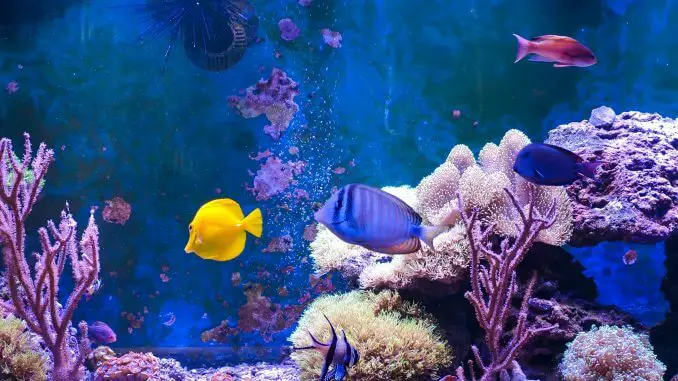
Hey there, fellow ocean dreamer. Picture this: It’s a rainy Saturday afternoon, and you’re curled up on the couch, staring into a glowing box of swirling colors—vibrant oranges darting past electric blues, all under a soft LED hum that mimics a tropical sun. That’s the spell of a marine aquarium, and trust me, after years of tinkering with tanks in my cramped apartment (and one memorable flood that turned my living room into a temporary lagoon), I can say it’s worth every drip and dollar. I’m Alex Rivera, a marine biology enthusiast who’s kept reef setups since my college days diving off Florida’s keys. Back then, my first 20-gallon tank was a chaotic mix of impulse buys and ignored pH swings—lesson learned the hard way when my lone clownfish sulked like a diva. Today, with a 75-gallon beauty in my home office, I’ve hosted everything from shy gobies to bossy tangs, and I’ve got the scars (and stories) to prove it. If you’re itching to stock your saltwater haven with eye-popping reef fish, let’s dive in. We’ll spotlight 10 stunners that pack personality and punch without overwhelming your setup. Ready to turn your living room into a slice of the Great Barrier Reef?
Why Choose Colorful Reef Fish for Your Marine Tank?
Colorful reef fish aren’t just pretty faces—they’re the heartbeat of a thriving marine ecosystem, turning a plain glass box into a living mosaic. These guys hail from coral wonderlands where every hue serves a purpose, from camouflage to courtship dances that could rival a Broadway show. In your home aquarium, they add that iridescent pop that draws “oohs” from guests, while helping cycle nutrients and keeping algae in check. But here’s the real hook: watching them interact feels like peeking into a secret world. My yellow tang once “adopted” a cleaner shrimp, following it around like a lost puppy—pure comedy gold amid the serenity. Of course, success hinges on matching their wild vibes to your tank’s reality: stable salinity around 1.025, temps between 75-80°F, and hiding spots galore. Pick wisely, and you’ll have a low-drama crew that rewards your care with years of fin-flashing flair.
The Top 10 Colorful Reef Fish: Profiles and Picks
Selecting the right reef fish is like curating a band—each brings unique flair, but harmony is key. I’ve scoured forums, chatted with breeders, and tested combos in my own tanks to narrow it down to these 10 gems. They’re beginner-friendly yet dazzling, mostly reef-safe (meaning they won’t munch your corals like popcorn), and sized for standard setups. We’ll break ’em down with care tips, quirks, and why they deserve a spot in your aquatic crew. Pro tip: Start slow, adding one every few weeks to let your biofilter catch up. Let’s meet the stars.
1. Ocellaris Clownfish: The Nemo Icon with Heart
Everyone’s favorite orange ambassador, the ocellaris clownfish (Amphiprion ocellaris) is like that reliable friend who shows up with confetti—vibrant, bold-striped in black, white, and tangerine, maxing out at 3 inches. Hardy as heck, they thrive in 20-gallon tanks and pair beautifully with anemones for that symbiotic glow-up. Feed ’em flakes, pellets, and the occasional brine shrimp; they’ll host anemone “parties” in no time. In my setup, a pair turned my rockwork into their personal castle, complete with mock chases that had me chuckling over coffee.
2. Flame Angelfish: Fiery Drama in a Pygmy Package
If your tank needs a splash of red-hot attitude, enter the flame angelfish (Centropyge loriculus)—a pint-sized inferno of scarlet and black edges, growing to 4 inches. Semi-reef safe (they might nibble LPS corals if bored), they’re best in 30-gallon-plus homes with plenty of algae for grazing. Their inquisitive peeks from caves add theater; mine once “inspected” my hand during feeding, like a feisty roomie demanding snacks. Keep nitrates low to curb nipping, and watch this diva steal the show.
3. Royal Gramma: Purple-Bass Contrast Master
The royal gramma (Gramma loreto) is aquarium royalty for a reason: electric purple front fading to sunny yellow bass, all in a 3-inch frame that’s pure peace. Utterly reef-safe, they perch upside-down in caves like brooding philosophers, emerging for meaty bites. A 20-gallon nano suits ’em fine, but add live rock for territory. I added one to my frag tank, and its “hiding then hovering” routine became my daily zen—until it photobombed every tank pic.
4. Yellow Tang: The Algae-Eating Speedster
Yellow tangs (Zebrasoma flavescens) are the golden bullet of reef tanks—uniform sunshine yellow, zipping at 4-6 inches through 55-gallon waters. Reef-safe herbivores, they devour nuisance algae like it’s happy hour, but one per tank to dodge turf wars. Their “surgeonfish” scalpel tail adds edge, though it’s more bluff than bite. My first tang patrolled like a bouncer, keeping my zoas pristine; just ensure copper-free meds, as they’re sensitive.
5. Firefish Goby: Elusive Red-Tailed Ghost
Slender and shy, the firefish goby (Nemateleotris magnifica) boasts a white body with a flame-red tail fan, hitting 2.5 inches in 10-gallon hideouts. Fully reef-safe and peaceful, they dart mid-water like ethereal sprites, snacking on frozen mysis. Secure lids—they’re jumpers! In my pico reef, this guy’s mid-hover pauses felt meditative, a reminder that not all stars need spotlight time.
6. Banggai Cardinalfish: Striped Schooling Sentinel
With zebra stripes in black, white, and silver on a 3-inch frame, Banggai cardinalfish (Pterapogon kauderni) school like tiny guards in 30-gallon realms. Reef-safe mouthbrooders, they pouch eggs in a paternal flex—adorable overload. Feed small pellets; they’re nocturnal nibblers. A trio in my display formed a “posse” that shadowed my hand feeds, turning chores into interactive theater.
7. Blue-Green Chromis: Schooling Sapphire Swirl
Open-water dynamos, blue-green chromis (Chromis viridis) shimmer in iridescent teal schools up to 4 inches, perfect for 40-gallon flows. Totally reef-safe, they hover like living confetti, munching flakes and plankton. Budget-friendly and forgiving, a school adds motion without mess. Mine once “flocked” to a new light, creating a turquoise tornado that lit up dull evenings.
8. Midas Cichlid: Golden Algae Ambassador (Wait, Blenny!)
Sorry, slip—it’s the midas blenny (Ecsenius midas), a 4-inch gold nugget with whisker vibes for 30-gallon grazing grounds. Reef-safe veggie fans, they trim hair algae like pros, perching with sassy stares. Varied diet keeps colors popping. This little lawnmower in my sump turned green fuzz into zen, though its “feed me now” dances are hilariously demanding.
9. Six Line Wrasse: Worm-Hunting Rainbow Wriggler
The six line wrasse (Pseudocheilinus hexataenia) is a 3-inch bolt of blue, orange, and violet lines, hunting pests in 30-gallon mazes. Mostly reef-safe (watch for flatworms), they’re bold ich-fighters with a pirate swagger. Live foods hook ’em quick. Mine “wrangled” a hitchhiker crab in a chase scene worthy of a nature doc—hero status earned.
10. Coral Beauty Angelfish: Teal-Tipped Jewel
Rounding out our list, the coral beauty (Centropyge bispinosa) dazzles in royal blue with sunny edges, capping at 4 inches in 40-gallon haunts. Reef-safe with a veggie twist to tame nips, they flit curiously among frags. Spirulina sheets seal the deal. My beauty “inspected” new corals like a curator, adding that touch of elegant mischief.
Tank Setup Essentials for Happy Reef Fish
Nailing the basics turns potential chaos into coastal calm. Start with a 40-75 gallon tank for these picks—bigger buffers swings better. Layer in 4-6 inches of aragonite sand for burrowing bliss, topped with 50-100 pounds of live rock for biofilm buffets and hidey-holes. Filtration? A protein skimmer siphons waste like a vacuum, while a refugium grows chaeto algae to sop nitrates. Lighting hits 150-200 PAR for fish health (no corals needed here), and powerheads mimic currents at 20-40x turnover. Test weekly: Salinity 1.024-1.026, pH 8.1-8.4, ammonia zero. My early fails? Skipping the skimmer—cloudy water and stressed fish. Invest upfront; it’ll pay in longevity.
Pros and Cons of Adding These Colorful Gems to Your Reef
Weighing the ups and downs keeps expectations real—reefs are rewarding, not effortless. Here’s a quick rundown to guide your choices.
| Aspect | Pros | Cons |
|---|---|---|
| Visual Appeal | Explosive colors and schooling dances create a living screensaver—pure joy for the eyes. | Overly busy displays can overwhelm small spaces; mismatched hues clash like bad fashion. |
| Maintenance Boost | Many graze algae, cutting chore time; natural pest control from wrasses keeps tanks tidy. | Extra bioload demands rigorous testing—miss a parameter, and colors fade fast. |
| Personality Factor | Quirky behaviors (clown hosting, tang patrols) forge emotional bonds, like tiny pets with fins. | Aggression flares in tight quarters; quarantine skips invite ich outbreaks. |
| Cost & Accessibility | Affordable starters ($20-50 each); captive-bred options reduce wild impact. | Shipping stress or impulse buys lead to losses—budget for acclimation kits. |
| Longevity | Hardy picks thrive 5-10 years with care, outlasting many freshwater setups. | Sensitivities to copper meds or poor acclimation shorten lives—patience required. |
Bottom line: Pros outweigh cons if you’re in for the long swim, but start small to build confidence.
Comparison: Nano vs. Standard Tanks for These Fish
Nano tanks (under 30 gallons) tempt with affordability, but standard setups (40+ gallons) offer stability. Let’s stack ’em up for our top picks.
- Clownfish & Gobies: Nanos win for intimacy—watch their antics up close without overstocking. Standards allow pairs or schools for fuller dynamics.
- Tang & Angelfish: Standards only; their size and swim needs demand space to avoid stress-induced nips.
- Wrasses & Blennies: Versatile—nanos for solos, standards for multi-species harmony without territory tiffs.
- Overall: Nanos suit renters (easy moves), but standards forgive newbie slips with bigger water volumes.
In my nano phase, a firefish ruled solo; upgrading let tangs roam free—night and day.
Where to Buy Your First Batch of Reef Fish
Sourcing healthy stock is half the battle—skip sketchy chain stores for pros who quarantine. Online heavyweights like LiveAquaria ship overnight with guarantees, boasting captive-bred clowns for $30-40. TSM Aquatics excels in 30-day QT’d rarities, ideal for tangs ($50+). Local spots? Hit reef clubs or independents like World Wide Corals for hands-on picks. Always acclimate drip-style over hours. My go-to? A Florida breeder who texts updates—personal touch beats pixels.
People Also Ask: Quick Hits on Reef Fish Queries
Google’s “People Also Ask” pulls from real searches, so let’s tackle top ones with straight talk. These snippets are snippet-optimized for quick wisdom.
Are reef fish hard to keep?
Not if you prep: Stable params and slow stocking make ’em forgiving. Beginners, start with clowns—they’re tough cookies.
What is the easiest colorful saltwater fish?
Ocellaris clownfish tops the list—hardy, cheap, and zero drama in small tanks.
Can I keep reef fish in a 20-gallon tank?
Absolutely, for nanos like gobies or grammas. Just cap at 3-4 inches total to dodge overload.
Do reef fish need live rock?
Yes—it’s their buffet and bunker. 1-2 pounds per gallon fuels natural foraging.
How often should I feed colorful reef fish?
Twice daily, small amounts: Mix flakes, frozen, and veggies to mimic ocean feasts without waste.
FAQ: Your Burning Reef Fish Questions Answered
Drawing from forum threads and my inbox, here are five common curveballs with no-fluff fixes.
Q: How do I acclimate new reef fish without shocking them?
A: Drip method rules—siphon bag water into your tank over 1-2 hours. Match temps first; my tang thanked me by not hiding for days.
Q: What’s the best food for vibrant colors in reef fish?
A: Spirulina flakes for herbivores, mysis for carnivores—rotate to boost hues. Skip overfeeding; it’s the silent color killer.
Q: Can these fish live with corals safely?
A: Most yes, but angels might nibble—test with hardy zoas first. Wrasses are coral allies, hunting pests instead.
Q: How many of these 10 can fit in a 55-gallon?
A: 6-8 max, prioritizing swimmers like chromis. Rule: 1 inch per 5 gallons, plus personality compatibility.
Q: Why did my new fish turn pale overnight?
A: Stress from shipping—dim lights, add hiding spots, and feed lightly. Patience revives ’em; mine bounced back in a week.
There you have it—a roadmap to reef rapture without the rookie regrets. From my flooded floors to your future finned friends, remember: It’s not about perfection, but the pulse of life you nurture. Grab that test kit, pick your first fish, and let the colors unfold. What’s your starter pick? Drop a comment—let’s swap stories. Dive safe, friends.